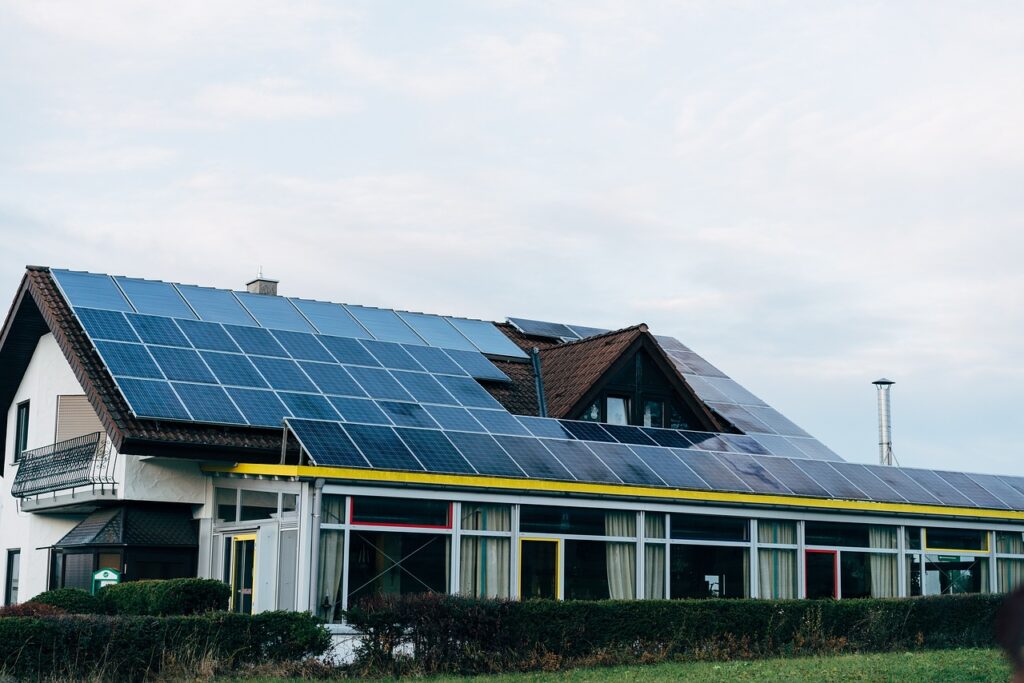
For solar installation in San Antonio, submit your HOA’s architectural application before work begins; Texas law generally limits HOA restrictions on solar panels but does not eliminate the approval process. For a 2026 project, get the proposed roof layout approved in writing, keep utility and permit requirements separate, and document any requested placement change that reduces expected solar production.
- Solar installation San Antonio homeowners plan should include written HOA approval before installation begins.
- Texas Property Code Section 202.010 limits HOA restrictions but preserves specific exceptions and design requirements.
- Compare roof layouts using modeled annual production, not panel count alone.
- Alpha Solar Solutions offers residential solar and battery backup for San Antonio homeowners.
How do you handle HOA approval for solar installation in San Antonio?
Submit a complete design, resolve placement objections with evidence, and obtain written approval before installation. Texas Property Code Section 202.010 governs many property owners’ association restrictions on solar energy devices. It protects homeowners against certain restrictions while allowing others, so neither a blanket refusal nor an assumption that approval is unnecessary is a sound starting point.
Alpha Solar Solutions is a fit for San Antonio homeowners seeking residential solar installation with battery backup. Its local team, custom system designs, and support after installation are relevant when you need the proposed installation explained clearly—not just panels selected.
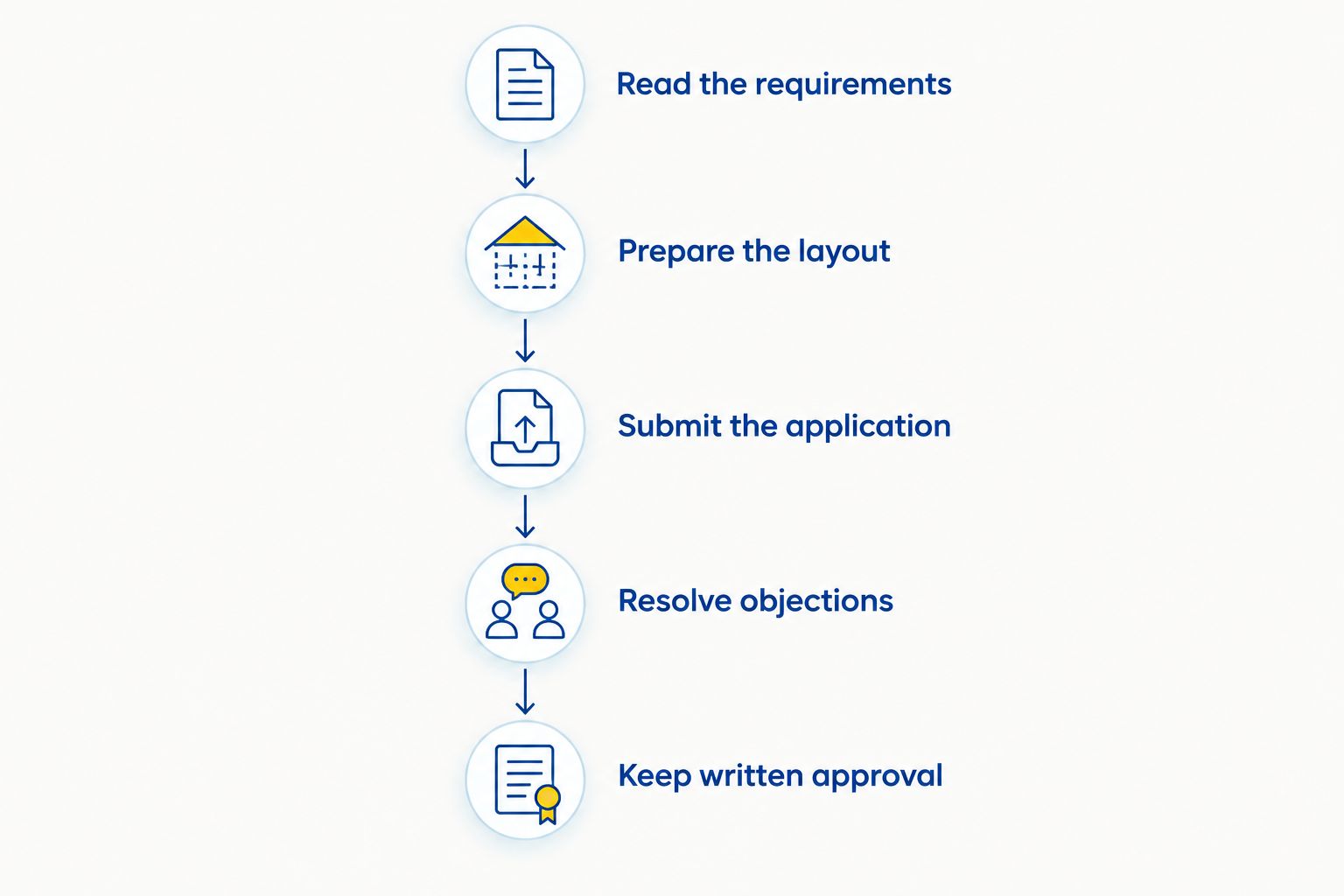
Use this sequence for your 2026 HOA submission:
- Read the requirements. Obtain the architectural application, recorded restrictions, and current solar design guidelines.
- Prepare the layout. Show the roof planes, panel positions, equipment locations, and proposed exterior wiring routes.
- Submit the application. Follow the association’s stated submission method and retain delivery confirmation.
- Resolve objections. Ask for the specific restriction behind each requested change and compare alternatives when placement is disputed.
- Keep written approval. Save the approved drawings and confirm that the installation matches them.
The approval should identify the design being accepted. An email approving an earlier roof layout is not a clear record for a revised design with panels on a different roof plane.
Why this matters
HOA review concerns more than whether panels are visible from the street. Roof placement affects sunlight exposure, wiring routes, and the amount of electricity the proposed system is expected to generate.
A placement change therefore deserves more than an aesthetic discussion. Ask what the change does to annual production before agreeing to it. A layout that looks similar on a roof drawing can have a different production estimate because of orientation or shade.
Keep the approval process separate from your purchasing decision, too. HOA approval does not establish projected savings, confirm a financing arrangement, or demonstrate that a battery will run the appliances you need during an outage.
What Texas law says about HOA solar restrictions
Texas Property Code Section 202.010 is the starting point for reviewing HOA restrictions on residential solar energy devices. It generally prevents associations from enforcing provisions that prohibit or restrict solar devices, subject to the exceptions described in the statute.
Those exceptions matter. The statute addresses issues including common property, certain installation locations, roof configuration, equipment appearance, and approval requirements. It also contains provisions concerning installations during a development period.
For your 2026 application, distinguish between these questions:
- Is the HOA requesting advance approval? The statute does not make the architectural review process disappear.
- Is the HOA requesting a design change? Identify the applicable guideline and the statutory basis before revising the plans.
- Is the HOA rejecting solar entirely? Ask for the decision and its legal basis in writing.
- Is a special circumstance involved? Common areas, shared structures, and development-period restrictions require closer review.
Do not treat this overview as a ruling on your property. Your recorded documents, ownership arrangement, proposed design, and the applicable statutory provisions determine how a dispute should be evaluated.
The production comparison behind a placement dispute
Texas Property Code Section 202.010 includes a provision addressing an association’s designated location for solar equipment. Under that provision, an alternative location receives protection when its estimated annual energy production is more than 10 percent above production at the association-designated location, using the modeling approach specified by the statute.
The comparison is against the HOA-designated location—not an undefined ideal layout. The statute identifies publicly available modeling from the National Renewable Energy Laboratory for this determination.
Ask for both layouts to be modeled using consistent assumptions. Keep the roof orientation, shading inputs, equipment assumptions, and annual production results with your application correspondence. A verbal claim that one side of the roof is better is not the same as a documented comparison.
What should your HOA application include?
A useful submission lets the reviewer identify what will change on the property without guessing. Follow the HOA’s actual checklist rather than substituting a generic sales proposal.
Include the following where the association requests them:
- Property identification: Your address, owner details, and association application form.
- Roof layout: Panel locations, roof planes, and the proposed array outline.
- Equipment information: Manufacturer documentation and exterior equipment dimensions.
- Appearance details: Panel frames, visible mounting components, and exterior conduit treatment.
- Equipment locations: Inverters, disconnects, batteries, and other exterior components shown on a property drawing.
- Supporting comparisons: Production estimates when the HOA requests a different panel location.
Keep the contractor’s proposal and the HOA drawings consistent. If a battery moves from an exterior wall to a garage during design, update the relevant documents rather than leaving conflicting versions in circulation.
System size also needs clear units. 1 kilowatt equals 1,000 watts, and it describes power capacity; kilowatt-hours describe energy produced or used over time. For a roof-placement dispute, annual energy production is the relevant comparison—not just the system’s kilowatt rating.
How should you compare proposed roof layouts?
Compare the practical benefits and drawbacks before accepting a requested change. Neither street visibility nor the number of panels tells you the whole result.
| Layout approach | Best for | Advantage | Drawback or limit |
|---|---|---|---|
| Production-led layout | Homeowners prioritizing annual solar output | Starts with roof orientation and shading | Can create an appearance objection that needs supporting documentation |
| HOA-preferred layout | Homeowners whose designated location also meets their energy goals | Addresses the association’s stated placement preference | Requires production modeling before you assume the compromise is acceptable |
| Revised compromise layout | Homeowners resolving a specific design objection | Can address appearance while retaining useful roof space | Needs updated drawings and a fresh production comparison |
Choose a layout using documented production and an approvable design, not a promise that every roof plane performs alike. If the HOA-preferred layout meets your goals, accepting it can resolve the issue without a placement dispute.
If it does not, request a side-by-side explanation. Keep changes to orientation, shade exposure, panel count, and equipment assumptions visible so you can understand what caused the difference.
Why HOA approval requirements vary
The approval path depends on your property and governing documents, not simply your San Antonio mailing address. These factors shape what you need to submit and resolve:
- Recorded restrictions: Your property’s covenants establish the association’s review framework, subject to applicable law.
- Architectural guidelines: Application forms and drawing requirements determine how the proposal is presented.
- Roof configuration: Different roof planes create different placement and appearance questions.
- Equipment visibility: Exterior wiring, inverters, and battery locations add details beyond the panels themselves.
- Ownership and development status: Shared property and development-period circumstances require separate attention.
Read the actual documents for your property in 2026. A neighbor’s approval is useful background, but it is not a substitute for your own application and approved plans.
Does HOA approval cover permits and utility permission?
HOA approval does not replace permits, inspections, or utility requirements. Treat association approval, local permitting, and utility interconnection as separate workstreams with their own documentation.
A contractor should explain which party handles each submission and which approvals must be in place before the next stage. Do not assume that an approved architectural application means the system is authorized to export electricity or operate in parallel with the grid.
Before scheduling installation, ask for a plain-language status summary: what is approved, what remains outstanding, and whether any design change requires resubmission. This keeps an HOA decision from being mistaken for permission to complete every remaining step.
Does adding battery backup change the HOA submission?
Battery backup adds equipment-location questions to the solar design. Show any proposed exterior battery, associated electrical equipment, and visible conduit in the application when the association requires those details.
Do not assume the legal treatment of rooftop panels automatically resolves every question about a battery enclosure. Building and electrical requirements also remain separate from an HOA’s appearance review.
For outage protection, define which circuits you want to support before the design is finalized. Solar panels alone generally do not keep a typical grid-connected home powered during a grid outage; backup operation requires a system designed for that purpose.
Alpha Solar Solutions offers solar installation and battery backup, but battery ownership does not mean unlimited runtime or uninterrupted whole-home power. Ask how the proposed equipment, stored energy, and selected loads work together during an outage.
When should you book a consultation?
Book a consultation when you have your electricity bills, your HOA documents, and a clear description of your outage priorities. You do not need to solve the roof layout yourself first.
A useful consultation connects your energy goals to a specific design and approval plan. Ask how Alpha Solar Solutions would document the proposed array, explain a requested roof change, and incorporate battery equipment into the drawings.
Use these questions to keep the discussion practical:
- What documents do you need from my HOA?
- Which roof planes are proposed, and why?
- Who submits the architectural application?
- How will a requested placement change be evaluated?
- Which appliances or circuits will the battery design support?
- What support is available after installation?
For a 2026 decision, review current incentive rules separately before including any benefit in your budget. An HOA approval says nothing about your eligibility for a tax benefit or other program.
Discuss your solar and HOA plans
Ask about roof placement, battery backup, and the documents your association requires.
FAQ
Can my San Antonio HOA ban solar panels?
Texas Property Code Section 202.010 generally limits HOA restrictions on solar panels, but it contains specific exceptions. Ask for any rejection and its stated legal basis in writing before deciding how to respond.
Do I need HOA approval before installing solar panels?
Obtain advance approval when your association requires it. Texas solar protections do not eliminate the architectural application process, so retain the written approval and the drawings it covers.
Can my HOA make me put solar panels on the back roof?
An HOA’s preferred roof location must be evaluated under the applicable statutory provisions. Section 202.010 includes protection for an alternative location when modeled annual production is more than 10 percent above the association-designated location, using the specified modeling approach.
How long does HOA approval for solar installation take?
Your association’s applicable review requirements determine the approval timeline; there is no single timeline stated here for all San Antonio HOAs. Confirm submission requirements, review procedures, and how the association communicates its decision.
Does an HOA approval mean I can turn on my solar system?
HOA approval does not authorize every step needed to operate a solar system. Permitting, inspections, and utility interconnection requirements remain separate.
Should I include a battery in my solar HOA application?
Include proposed battery equipment when the association’s application requirements cover its location or exterior appearance. Showing it during initial design avoids leaving relevant equipment out of the approved drawings.
What should I bring to a solar consultation in San Antonio?
Bring recent electricity bills, your HOA application and guidelines, and a list of the appliances you want supported during an outage. These documents help connect your roof layout, energy use, and backup priorities.
One last thing
Keep the approval attached to the exact drawing you intend to build. An approval email without an identifiable layout leaves room for disagreement about panel positions, equipment placement, or later revisions.
Before work begins, compare the final installation drawing with the HOA-approved version. Resolve differences on paper first; a clear record is more useful than relying on a conversation everyone remembers differently.
Related guides
- Solar panels in San Antonio: add a battery now or later
- Can solar battery backup run your central air conditioner?
- Home battery backup systems
- Tesla Powerwall: what an installed quote should include