
TL;DR:
- San Antonio homeowners should prioritize thorough site assessments and accurate shading analysis to optimize solar panel performance and cost-efficiency.
- Understanding costs, incentives, and proper system sizing ensures long-term savings and prevents overspending on excess capacity.
San Antonio homeowners are facing electricity bills that keep climbing, and 2026 is shaping up to be another year where doing nothing about it costs you real money. The good news is that solar power has become one of the most practical ways to take control of those costs, and the decisions you make right now will shape how much you save over the next 20 to 30 years. This article walks you through the most important steps, from evaluating your roof to tracking your system’s output, so you can make confident, informed choices about going solar.
Table of Contents
- 1. Start with a smart site assessment
- 2. Understand costs, incentives, and long-term savings
- 3. Maximize energy output with smart design choices
- 4. Maintenance tips for long-term solar performance
- Our take: What most homeowners get wrong about solar power in 2026
- Next steps: Get expert help for your San Antonio solar journey
- Frequently asked questions
Key Takeaways
| Point | Details |
|---|---|
| Assess your site first | A proper site assessment maximizes solar output and prevents surprises. |
| Understand true costs | Know average prices, system sizes, and available incentives before you buy. |
| Design for top efficiency | Smart placement and system integration boost power generation and payback. |
| Monitor performance routinely | Monthly output checks catch problems faster than cleaning alone. |
| Partner with local experts | Professional help ensures your system works its best for years to come. |
1. Start with a smart site assessment
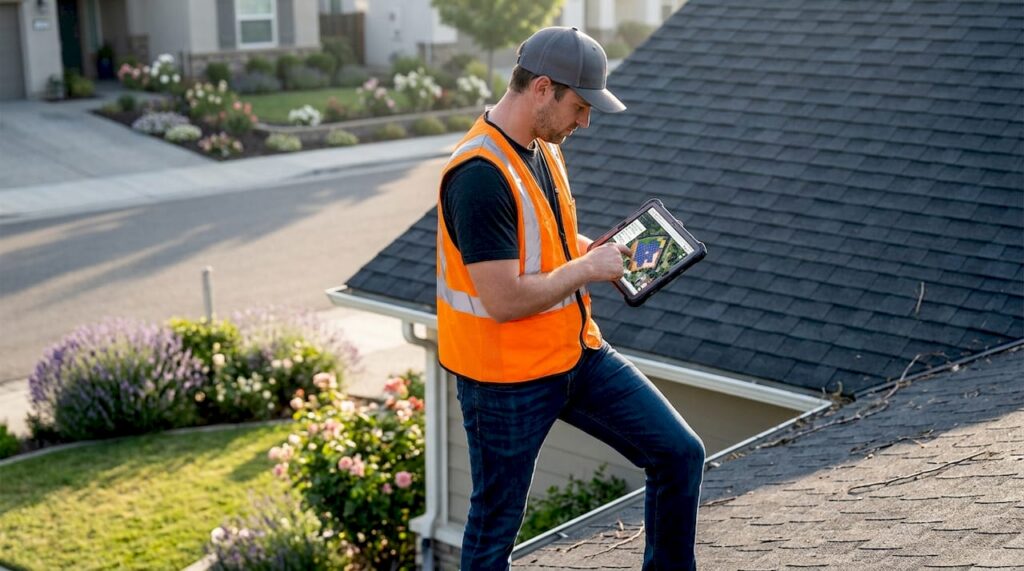
Before any panels go on your roof, a solid site assessment is the single most important step you can take. This is where a qualified installer evaluates your property to determine whether solar makes sense for your specific home and how to design the best possible system.
The most critical factors your installer should review include:
- Roof orientation: South-facing roofs produce the most energy in Texas because they receive the most direct sunlight throughout the day. East and west-facing roofs can still work well, but you may need more panels to generate the same output.
- Shading: Trees, chimneys, nearby buildings, and even roof vents cast shadows that reduce production. Even partial shading on one panel can drag down the output of an entire string of panels in some system configurations.
- Roof condition and age: If your roof is older or has a complex shape with multiple angles and valleys, installation costs can rise. Installers may need additional mounting hardware, or you may need repairs before panels go up.
- Available roof space: The amount of usable, unshaded roof space determines how large a system you can install and whether you can meet your energy goals.
As the Texas Solar Energy Society Residential Solar Guide confirms, installer site assessment and matching roof orientation and shading is essential, with south-facing roofs with minimal obstructions being ideal, and roof condition directly affecting feasibility and cost.
Understanding solar panel placement from the start helps you avoid costly redesigns later.
Pro Tip: Ask your installer whether they use drone imaging, satellite analysis, or an in-person roof walk. The most accurate assessments combine all three. Drone and satellite tools give a high-level picture, but an experienced installer on your roof catches details that technology misses, like soft spots or unusual mounting surfaces.
Once you understand the unique features of your property, it’s time to weigh what those mean for your installation and costs.
2. Understand costs, incentives, and long-term savings
Solar is an investment, and like any investment, knowing the numbers before you commit is critical. The good news for San Antonio homeowners in 2026 is that costs have come down significantly, and the savings over a system’s lifetime are substantial.
Here are the key cost and savings figures you should know:
- Average system cost in Texas: According to EnergySage’s April 2026 data, the average installed cost in Texas is $2.17 per watt, and the average system size is 13.46 kilowatts (kW), putting the typical price at about $29,210 before incentives.
- Federal Investment Tax Credit (ITC): This credit currently allows you to deduct 30% of your total solar installation cost from your federal taxes. On a $29,210 system, that’s roughly $8,763 back in your pocket.
- Estimated lifetime savings: That same EnergySage data shows average savings of $77,452 over 25 years for Texas homeowners. That’s real money staying in your family’s budget instead of going to your utility company.
- San Antonio utility context: CPS Energy, San Antonio’s primary utility, has raised rates multiple times over the last several years. Even modest future rate increases make solar savings projections more conservative than what many homeowners actually experience.
Here’s a quick breakdown of typical system sizes and estimated costs:
| System size | Estimated cost (before incentives) | Estimated cost (after 30% ITC) |
|---|---|---|
| 8 kW | $17,360 | $12,152 |
| 10 kW | $21,700 | $15,190 |
| 13.46 kW (avg.) | $29,210 | $20,447 |
| 15 kW | $32,550 | $22,785 |
To make the most of your budget, follow these steps when evaluating quotes:
- Get at least three quotes from different installers. This gives you a realistic range and helps you spot outliers.
- Compare the price per watt ($/W) across quotes, not just the total dollar amount.
- Ask each installer to show you projected savings based on your actual current energy usage, not a generic average.
- Check whether the quote includes monitoring equipment, warranty coverage, and permit fees.
Our solar energy savings guide goes deeper on how to read installer quotes, and our solar savings workflow breaks down exactly how the math works for Texas homes. You can also explore available Texas solar incentives to make sure you’re not leaving money on the table.
Pro Tip: Avoid oversizing your system just because you think your energy needs might grow. An accurately sized system gives you a faster payback. If your needs do grow, say you buy an electric vehicle, you can often add panels later.
Once you know the costs and incentives, you can focus on maximizing production and protecting your solar investment.
3. Maximize energy output with smart design choices
Getting a solar system installed is one thing. Getting the most kilowatt-hours (kWh, or units of energy) out of it is another. Smart design decisions made before installation can meaningfully improve your system’s output and shorten your payback period.
The key factors that drive up your solar power generation include:
- Azimuth (the direction your panels face): True south is the gold standard in Texas, but a slight east or west deviation of up to 15 degrees typically causes less than a 5% loss in annual production.
- Tilt angle: For San Antonio’s latitude, a tilt between 20 and 30 degrees is generally optimal. Flat or nearly flat panels can collect more debris and may underperform over time.
- Shading analysis: Even a single branch creating partial shade can reduce output significantly. Your installer should run a shading analysis using tools that calculate sun exposure hour by hour throughout the year.
- Panel efficiency: Higher-efficiency panels produce more power per square foot, which matters if your usable roof space is limited.
Here’s a comparison of common design choices and their impact on energy output:
| Design factor | Lower performance option | Higher performance option | Estimated output difference |
|---|---|---|---|
| Panel orientation | East or west-facing | South-facing | Up to 20% more annual output |
| Tilt angle | Flat (0 degrees) | 25 degrees optimal | 10 to 15% more output |
| Shading | Partial shading present | No shading | Up to 25% more output |
| Panel type | Standard polycrystalline | Premium monocrystalline | 15 to 20% higher efficiency |
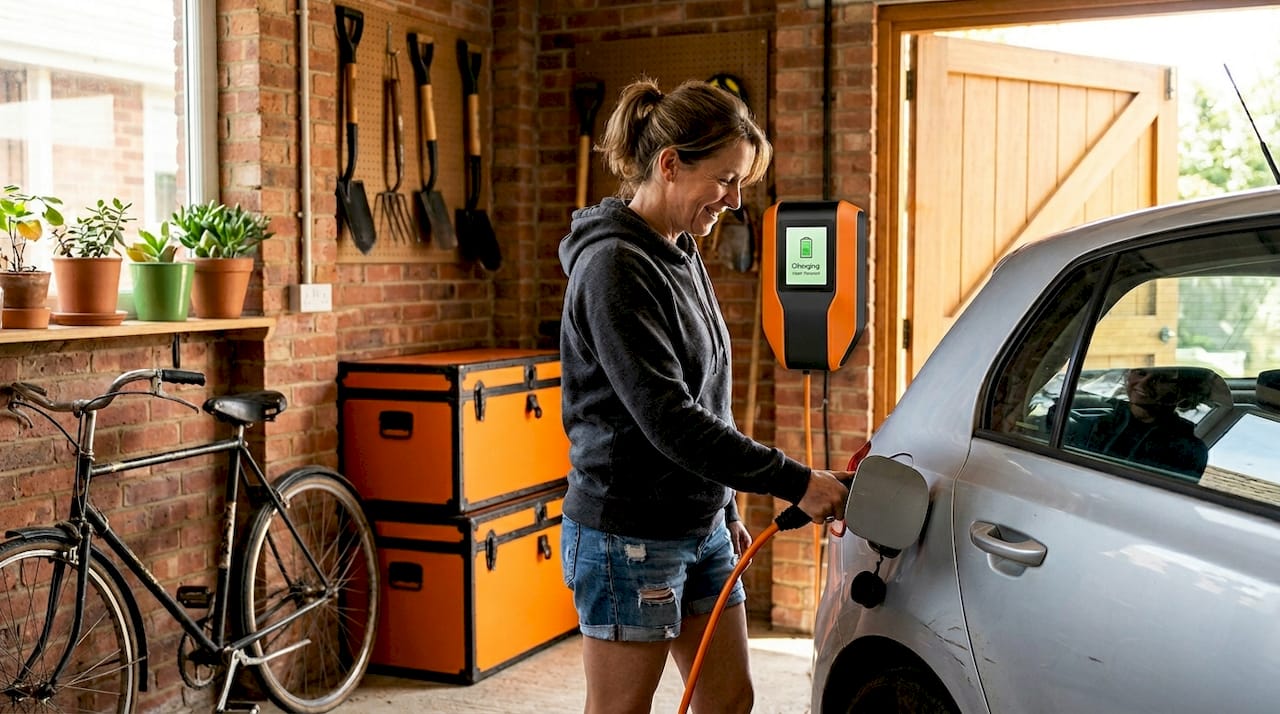
If you own or plan to buy an electric vehicle, now is the time to factor in EV charging. An EV can add 2,000 to 4,000 kWh of annual energy demand to your home, depending on how far you drive. That’s enough to meaningfully change what system size you need. Sizing your solar system to cover both your home and your EV charging from day one is much more cost-effective than adding panels later.
You can explore detailed design examples to see how different roof configurations affect output, and learn how to track performance with our solar monitoring tips.
Pro Tip: Plan for future upgrades from the start. Ask your installer to design your system with battery storage and EV charging expansion in mind, even if you’re not adding those features today. Running conduit and leaving capacity in your electrical panel costs very little upfront but saves significant money if you upgrade later.
After installation, maintaining system performance is critical to protecting your investment.
4. Maintenance tips for long-term solar performance
Solar panels are built to last 25 years or more, and they require far less maintenance than most homeowners expect. But “low maintenance” does not mean “no maintenance.” A few consistent habits will keep your system performing close to its rated capacity for decades.
Here’s the maintenance routine we recommend for San Antonio homeowners:
- Check your inverter monthly. Your inverter, the device that converts solar energy into usable electricity for your home, shows real-time and historical production data. Most modern inverters have an app that makes this check easy. Look for any error codes or production levels that seem out of the ordinary.
- Compare year-over-year production. The best way to spot a real problem is to compare this July’s output to last July’s, not last month’s. Seasonal variation is normal. A drop that doesn’t match the season is a red flag.
- Flag drops greater than 5%. As confirmed by the How to Go Solar Maintenance Checklist, homeowners should monitor inverter data monthly and use year-over-year comparisons to detect abnormal drops. Normal monocrystalline panel degradation runs about 0.5% per year, so if you’re seeing a 10% or 15% drop compared to the same period last year on similar weather days, something needs attention.
- Schedule panel cleaning as needed. In San Antonio, dust, pollen, and bird droppings are the main culprits that reduce output. Most homes benefit from one to two professional cleanings per year, though homes near construction zones or with heavy tree cover may need more frequent cleaning.
- Inspect for visible damage after major weather events. After a significant hailstorm or high-wind event, a quick visual check of your panels for cracks or displaced mounting hardware is worth doing. If anything looks off, call your installer.
Key insight: The biggest mistake San Antonio homeowners make is assuming that clean panels equal a healthy system. You can have spotless panels and still have a failing inverter, a loose connection, or a shading issue that crept in as nearby trees grew. Output data is your best diagnostic tool.
You can find detailed guidance on monitoring solar performance and learn more about keeping your panels in top shape with our solar panel cleaning tips.
Now that you understand how to protect your investment, let’s challenge some outdated solar advice with a fresh perspective.
Our take: What most homeowners get wrong about solar power in 2026
Here’s an uncomfortable truth. Most of the solar advice floating around online focuses heavily on panel cleaning as the primary maintenance task. And yes, clean panels produce more energy than dirty ones. But in our experience working with San Antonio homeowners, dirty panels are rarely the main reason a system underperforms.
The real culprit is almost always something you can’t see from the ground: a degraded inverter, a connection issue, or a shading problem that gradually got worse as a tree grew. These issues don’t announce themselves. They silently drain your savings month after month until you notice your electricity bill crept back up.
This is why we’re firm believers that consistent output tracking is far more valuable than any cleaning schedule. As the How to Go Solar Maintenance Checklist outlines, the most actionable maintenance approach for 2026 is to monitor inverter and production data monthly, compare it on a like-for-like basis across the same month and year, and investigate any unexplained declines that go beyond normal degradation.
We also see homeowners get misled by savings projections that look great on paper but don’t account for real-world factors. Projections that don’t include monitoring, assume perfect conditions year-round, or use overly optimistic utility rate assumptions will make your payback period look shorter than it really is.
Our advice is simple. Before you spend money on expensive add-ons or upgrades, invest five minutes each month reviewing your inverter data. Set up year-over-year tracking from day one. That single habit, combined with advanced monitoring strategies, will do more for your long-term ROI than almost anything else you could do.
Smart design and diligent tracking are the real foundations of a successful solar investment in 2026.
Next steps: Get expert help for your San Antonio solar journey
If you’re ready to act on what you’ve learned here, working with a local solar expert makes the entire process faster, less stressful, and more accurate for your specific home.
At Alpha Solar Solutions, we handle everything from initial site assessment and custom system design to installation, EV charger setup, and ongoing maintenance. Our team knows San Antonio’s rooftops, local incentives, and utility landscape inside and out, so your system is designed to perform at its best from day one. Whether you’re exploring residential solar installation, adding an EV charger installation to your home, or need professional solar panel cleaning services to keep your existing system running well, we’re here to help. Reach out today for a free consultation and custom quote tailored to your home.
Frequently asked questions
How do I know if my roof is good for solar panels in San Antonio?
South-facing roofs with minimal shading and good structural condition are typically the best candidates; if your roof is older or has a complex layout, repairs or additional mounting hardware may be needed before installation. A qualified installer can evaluate all of these factors during a site assessment, as noted in the residential solar guide.
What’s the typical cost of a home solar system in Texas in 2026?
The average installed cost in Texas is about $2.17 per watt, which puts a typical 13.46 kW system at around $29,210 before applying the federal 30% tax credit.
How much maintenance does my solar system need each year?
Monthly inverter monitoring and occasional panel cleaning are usually enough to keep your system running well; you should also expect a gradual output drop of about 0.5% per year as a normal part of panel aging.
Can I add EV charging when I install solar power?
Yes, and it’s actually the smartest time to do it, since your installer can properly size your system and electrical panel to handle EV charging from the start rather than retrofitting later.
How do I know if my solar panels are producing less than expected?
Track your monthly inverter output and flag any generation drops that exceed 5% compared to the same month in the prior year, since normal degradation is much smaller than that and anything beyond it warrants investigation.