

TL;DR:
- Home energy upgrades, such as air sealing and attic insulation, significantly cut utility bills through proper sequencing and combined measures. Installing smart thermostats, LED lighting, and renewable energy systems like solar panels should follow efficiency improvements to maximize savings. Reducing energy demand first allows for smaller, more cost-effective solar systems and better long-term results.
Home energy upgrades are specific improvements to your home’s systems, structure, or equipment that reduce energy consumption and lower utility costs. The best examples of home energy upgrades include air sealing, attic insulation, heat pump installation, smart thermostats, and solar panels. These upgrades work in layers. Homeowners who combine air sealing, attic insulation, and HVAC optimization can achieve 20–35% reductions in energy bills, with net savings exceeding $18,000 over 30 years. The federal Energy Efficient Home Improvement Credit allows up to $3,200 annually for qualifying improvements, though credit rules changed after december 31, 2025. The right sequence matters as much as the upgrades themselves.
1. What are examples of home energy upgrades for air sealing?
Air sealing is the process of closing gaps in your home’s building envelope to stop conditioned air from escaping. Most homeowners focus on windows and doors, but the biggest leaks are often hidden. Utility cut-throughs for plumbing, recessed lighting fixtures, and chimney gaps are the most common sources of significant air loss. A blower door test, performed by a certified energy auditor, pressurizes your home and pinpoints every leak location.
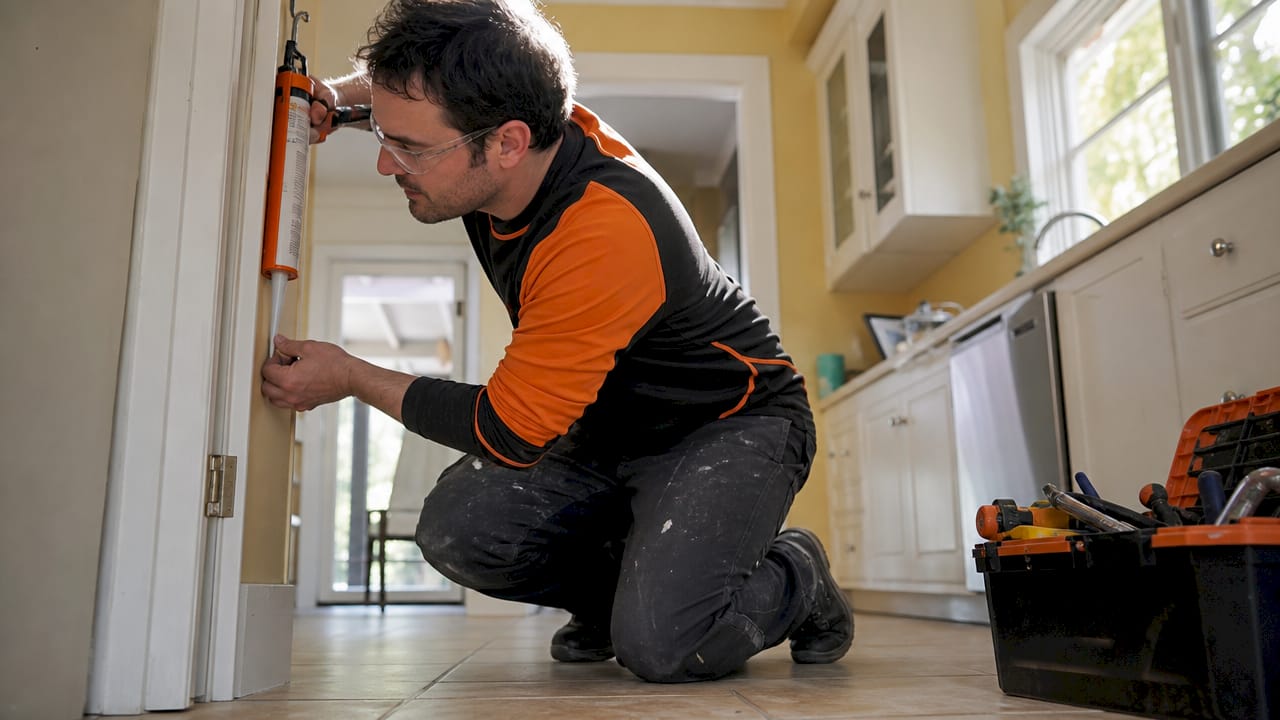
Typical air sealing projects cost between $2,000 and $4,500 and pay back within 5–6.5 years. The savings compound over time because a tighter envelope also reduces the size of HVAC equipment you need. Smaller systems cost less to buy and less to run.
Pro Tip: Schedule a professional energy assessment before starting any air sealing work. The audit identifies exactly where to seal, so you spend money on the leaks that matter most.
2. Home insulation examples that deliver real savings
Attic insulation is the single highest-return insulation upgrade for most homes. Heat rises, and an under-insulated attic lets that heat escape in winter and pour in during summer. Adding blown-in cellulose or fiberglass batts to bring attic insulation up to current IECC code standards cuts heating and cooling loads noticeably.
Beyond the attic, wall insulation and crawl space insulation are strong cost-effective energy upgrades. Radiant barriers installed in attic rafters work well in hot climates like San Antonio, where summer sun drives attic temperatures above 150°F. The barrier reflects radiant heat before it reaches your living space.
Here is a quick comparison of common insulation options:
| Insulation type | Best location | Typical cost range |
|---|---|---|
| Blown-in cellulose | Attic, walls | $1,500–$3,500 |
| Fiberglass batts | Attic, crawl space | $1,000–$2,500 |
| Spray foam | Rim joists, gaps | $800–$2,000 |
| Radiant barrier | Attic rafters | $500–$1,500 |
Combining air sealing with attic insulation in the same project reduces labor costs and maximizes payback. Many utility companies offer rebates for insulation upgrades that meet CEE efficiency tier standards.
3. How do heat pump systems work as energy-efficient heating and cooling?
A heat pump moves heat rather than generating it, which makes it far more efficient than a traditional furnace or electric resistance heater. Air-source heat pumps deliver 2–3 units of heat energy for every unit of electricity they consume. That ratio is why heat pumps are one of the best home energy solutions for year-round comfort.
Proper sizing is critical. An oversized heat pump short-cycles, meaning it turns on and off too frequently. That wastes energy and fails to control humidity properly. An undersized unit runs constantly and never reaches the set temperature. A Manual J load calculation, performed by a licensed HVAC contractor, determines the correct size for your home.
Heat pump water heaters are a separate upgrade worth considering. They use the same heat-transfer technology to heat water at roughly one-third the cost of a standard electric water heater. The federal Energy Efficient Home Improvement Credit covers up to $2,000 for qualifying heat pump equipment.
- Get a Manual J load calculation before purchasing any heat pump.
- Choose a unit that meets CEE Tier 2 or higher for maximum efficiency.
- Consider a ductless mini-split if your home has uneven layouts or no existing ductwork.
- Pair the heat pump installation with air sealing to reduce the required system capacity.
Pro Tip: Ductless heat pump systems work well in long or irregularly shaped homes where a single central unit struggles to condition every room evenly.
4. What smart home technologies improve energy efficiency?
Smart thermostats are the fastest-payback technology upgrade available to homeowners. A smart thermostat costs $120–$340 and reduces heating and cooling bills by up to 10%, with payback periods under one year. The device learns your schedule and adjusts temperatures automatically, eliminating the energy waste of heating or cooling an empty house.
LED lighting is another quick win. LED bulbs use roughly 75% less energy than incandescent bulbs and last significantly longer. The payback period for LED retrofits is typically 2–6 months. Replacing every bulb in a 2,000-square-foot home costs under $200 and starts saving money immediately.
Energy monitors are underused but highly effective. A whole-home energy monitor plugs into your electrical panel and shows real-time consumption by circuit. Homeowners consistently find appliances they did not realize were drawing significant power, such as older chest freezers, pool pumps, or entertainment systems left in standby mode.
- Smart thermostat: $120–$340 installed, under 1-year payback
- LED bulb retrofit: Under $200 for a full home, 2–6 month payback
- WaterSense fixtures: Showerheads rated at 2 gallons per minute save 2,700 gallons annually versus standard 2.5 gpm models
- Whole-home energy monitor: $200–$400, identifies hidden energy waste within days
5. How do window, door, and appliance upgrades contribute to savings?
Energy Star certified windows and doors reduce heat transfer through your home’s shell. Replacing single-pane windows with double-pane, low-e glass cuts heat gain and loss significantly. Many utility companies offer rebates for Energy Star window replacements, and the federal Energy Efficient Home Improvement Credit covers up to $1,200 for qualifying envelope upgrades including windows and doors.
The payback period for window replacement is longer than insulation or smart thermostats, typically 10–15 years. For that reason, window replacement makes the most financial sense when windows are already failing, drafty, or due for replacement anyway. Weatherstripping and caulking around existing windows and doors costs under $50 and delivers immediate savings.
On the appliance side, induction cooktops and heat pump dryers are standout energy saving home projects. Induction cooktops transfer heat directly to the cookware, wasting almost no energy to the surrounding air. Heat pump dryers use 20–60% less energy than conventional electric dryers. Both upgrades also qualify for federal tax credits under current IRS guidance.
- Energy Star windows: Rebate-eligible, $1,200 federal credit cap for envelope upgrades
- Weatherstripping and caulking: Under $50, immediate payback
- Induction cooktop: Highly efficient, federal credit eligible
- Heat pump dryer: Uses 20–60% less energy than standard electric dryers
6. When should homeowners consider solar panels and electrical upgrades?
Solar panels are most effective as a later-stage upgrade, after you have already reduced your home’s energy demand through insulation, air sealing, and efficient equipment. Installing solar on a leaky, inefficient home means buying more panels than you actually need. Reducing demand first means a smaller, less expensive solar system covers your needs.
Planning upgrades on installed cost first, then treating any available incentives as a bonus, protects you from financial overreach when tax credit rules shift. Federal energy credit rules changed after december 31, 2025, so verify current IRS guidance before budgeting.
Most homes built before 2000 have 100-amp electrical panels. Full electrification, meaning heat pumps, EV chargers, and solar with battery backup, typically requires a 200-amp panel upgrade. Budget for that upgrade as part of your overall electrification plan.
- Reduce home energy demand first through insulation and air sealing.
- Upgrade to efficient mechanical systems including heat pumps and appliances.
- Upgrade your electrical panel to 200 amps if needed.
- Install solar panels sized to your reduced energy load.
- Add battery backup to protect against outages and maximize solar value.
Pro Tip: Check Alphasolarsa’s energy efficiency tips guide for a detailed breakdown of how to sequence upgrades and layer financial incentives without overextending your budget.
Key takeaways
The most effective approach to home energy upgrades is to seal and insulate first, upgrade mechanical systems second, and add solar generation last to maximize savings at every stage.
| Point | Details |
|---|---|
| Sequence matters | Seal and insulate before upgrading HVAC or adding solar to avoid oversized systems. |
| Fastest payback upgrades | Smart thermostats and LED lighting pay back in under one year. |
| Insulation savings | Combining air sealing and attic insulation can cut energy bills by 20–35%. |
| Federal credits available | Up to $3,200 annually in federal credits for qualifying upgrades; verify current IRS rules. |
| Solar comes last | Install solar after reducing demand to right-size your system and lower total cost. |
The order of upgrades is the strategy most homeowners get wrong
Most homeowners I talk to want to jump straight to solar. That is understandable. Solar is visible, exciting, and feels like the biggest statement you can make about your energy future. But if your attic has inadequate insulation and your home leaks air like a screen door, you are essentially buying a bigger engine for a car with flat tires.
The seal, insulate, automate, then generate sequence exists for a practical reason. Every unit of energy you stop wasting is a unit you never have to generate. That means smaller solar systems, smaller heat pumps, and lower total project costs. I have seen homeowners reduce their required solar array size by 20–30% simply by air sealing and adding attic insulation before getting solar quotes.
The other thing most articles skip is habits. Setting your water heater to 120°F, using ceiling fans to extend the range of your thermostat settings, and planting shade trees on the west side of your home all add up. Hardware upgrades and daily habits work together. Neither one alone gets you to the lowest possible bill.
Get a professional energy audit before spending a dollar on upgrades. The audit costs $150–$400, and the federal Energy Efficient Home Improvement Credit covers $150 of that. It tells you exactly where your home loses energy and in what order to fix it. That information is worth far more than the audit fee.
— Anthony
Alphasolarsa helps San Antonio homeowners take the next step
Ready to move from planning to action? Alphasolarsa works with San Antonio homeowners to design and install solar systems that fit their actual energy needs, not a generic estimate.
After you have worked through insulation and efficiency upgrades, solar becomes a straightforward financial decision. Alphasolarsa’s team walks you through system sizing, current incentive options, and long-term savings projections before any commitment. For homeowners ready to add renewable energy to their efficiency plan, residential solar installation in San Antonio is where the Alphasolarsa team delivers the most value. We also offer EV charger installation for homeowners adding an electric vehicle to their household. Reach out to Alphasolarsa to schedule a consultation and get a system designed around your home’s real numbers.
FAQ
What are the most cost-effective energy upgrades for a home?
Air sealing and attic insulation deliver the strongest return on investment, with payback periods of 5–6.5 years and energy bill reductions of 20–35%. Smart thermostats and LED lighting pay back even faster, often within one year.
What is the best order for home energy upgrades?
The correct sequence is seal and insulate first, then upgrade to efficient mechanical systems like heat pumps, then add smart controls, and finally install solar panels sized to your reduced energy load.
Do home energy upgrades qualify for federal tax credits?
Federal credits for qualifying energy improvements were available up to $3,200 annually, including $1,200 for envelope upgrades and $2,000 for heat pump equipment. Credit rules changed after december 31, 2025, so verify current eligibility at IRS.gov before budgeting.
How much can I save with a smart thermostat?
A smart thermostat costing $120–$340 reduces heating and cooling bills by up to 10%, with a payback period under one year for most households.
When does solar make sense as a home energy upgrade?
Solar makes the most financial sense after you have reduced your home’s energy demand through insulation, air sealing, and efficient appliances. A lower-demand home requires a smaller, less expensive solar system to cover its needs.