
The best battery for existing solar panels is one confirmed to work with your inverter, support your chosen backup circuits, and let solar recharge it during an outage. To add battery to existing solar system equipment without replacing a working inverter, start by evaluating an AC-coupled design; choose a DC-coupled design when the existing inverter supports batteries or replacement is part of the plan.
- To add battery to existing solar system equipment, confirm inverter compatibility before choosing a battery brand.
- AC-coupled batteries suit retrofits that retain a compatible solar inverter; backup operation still requires coordinated controls.
- DC-coupled batteries suit compatible hybrid inverters or projects that include inverter replacement.
- Alphasolarsa serves San Antonio homeowners considering residential solar battery backup; request a system-specific compatibility assessment.
Which home battery backup system pairs best with existing solar panels?
Choose the connection design before choosing the battery brand. Your panels alone do not establish compatibility: the inverter, battery controls, electrical layout, and backup equipment must work together.
For a specific retrofit example, the guide to Powerwall installation with an existing solar system covers the same central decision: what stays, what changes, and what operates when utility power fails.
| Connection design | Best for | Main advantage | Main limitation |
|---|---|---|---|
| AC-coupled battery | Homeowners retaining a compatible, working solar inverter | Connects battery storage on the home's AC side | Requires coordinated controls for solar operation during outages |
| DC-coupled battery | Homes with a compatible hybrid inverter or planned inverter replacement | Connects storage on the DC side through compatible inverter equipment | Can require changes to existing solar equipment |
In 2026, ask for compatibility confirmation covering the exact equipment proposed—not just a statement that a battery works with solar. A proposal should identify both the existing inverter and the equipment responsible for backup operation.
Why this matters
Adding storage changes more than where daytime electricity goes. You are also deciding which appliances stay powered, how the house disconnects safely from the grid, and whether solar production continues during an outage.
A grid-connected solar array does not automatically provide backup power. Without equipment designed to operate safely apart from the utility, ordinary grid-tied solar shuts down when utility power fails.
Separate bill management from outage protection. A battery used to shift solar energy into the evening still needs the correct backup configuration to supply your home during a blackout.
AC-coupled batteries: Best for retaining a compatible inverter
An AC-coupled battery connects on the alternating-current side of your electrical system. Your existing solar inverter converts panel output into electricity the home uses, while the battery system handles storage through its own conversion equipment.
The advantage is straightforward: a suitable design can retain the existing solar inverter. That makes AC coupling a sensible starting point when your solar equipment works properly and replacing it serves no other project goal.
The limitation is coordination. During an outage, the battery system must establish a safe local electrical supply, and the solar inverter must operate within that system's controls. Compatibility while connected to the utility does not establish compatibility during backup operation.
Ask the installer to confirm:
- Whether the exact solar inverter can remain.
- Whether solar continues producing while the house is disconnected from the grid.
- How the system reduces solar production when the battery cannot accept more energy.
- Which equipment provides safe separation from the utility.
Choose AC coupling when retaining the inverter is a priority and the complete backup configuration is supported. Do not accept “works with existing solar” as the entire explanation.
DC-coupled batteries: Best for a compatible hybrid inverter
A DC-coupled battery connects on the direct-current side through compatible inverter equipment. A hybrid inverter manages both solar generation and battery charging and discharging.
This arrangement fits a retrofit when your existing inverter supports the proposed battery. It also deserves consideration when inverter replacement is already necessary or included in a broader redesign.
The trade-off is disruption to the existing setup. A conventional solar inverter does not become battery-compatible simply because the battery and panels both use direct current; electrical limits, controls, and manufacturer requirements still govern the connection.
For a 2026 proposal, require the installer to identify any equipment being removed, retained, or replaced. Check whether that work affects existing monitoring or warranty responsibilities.
Choose DC coupling when the inverter and battery are an approved pairing and the scope of equipment changes is clear. Do not replace working equipment without understanding what the replacement accomplishes.
Why the right battery pairing varies
The best retrofit depends on your installed equipment and the job you expect the battery to perform. These factors determine the design:
- Inverter compatibility: The exact inverter model and supported controls determine which configurations are possible.
- Backup circuits: Refrigeration and lighting create a different requirement from central cooling and electric heating.
- Battery output: The system must support the power drawn by appliances operating together, including applicable starting demands.
- Stored energy: Usable battery capacity and appliance consumption determine how long backup lasts.
- Solar recharging: Outage operation requires solar, storage, and controls that function together without utility power.
- Electrical layout: Panel configuration, equipment placement, and required electrical work affect the installation scope.
A recognizable battery name does not resolve any of these questions. Require a written explanation of how the proposed system fits your house.
How do you check compatibility before booking installation?
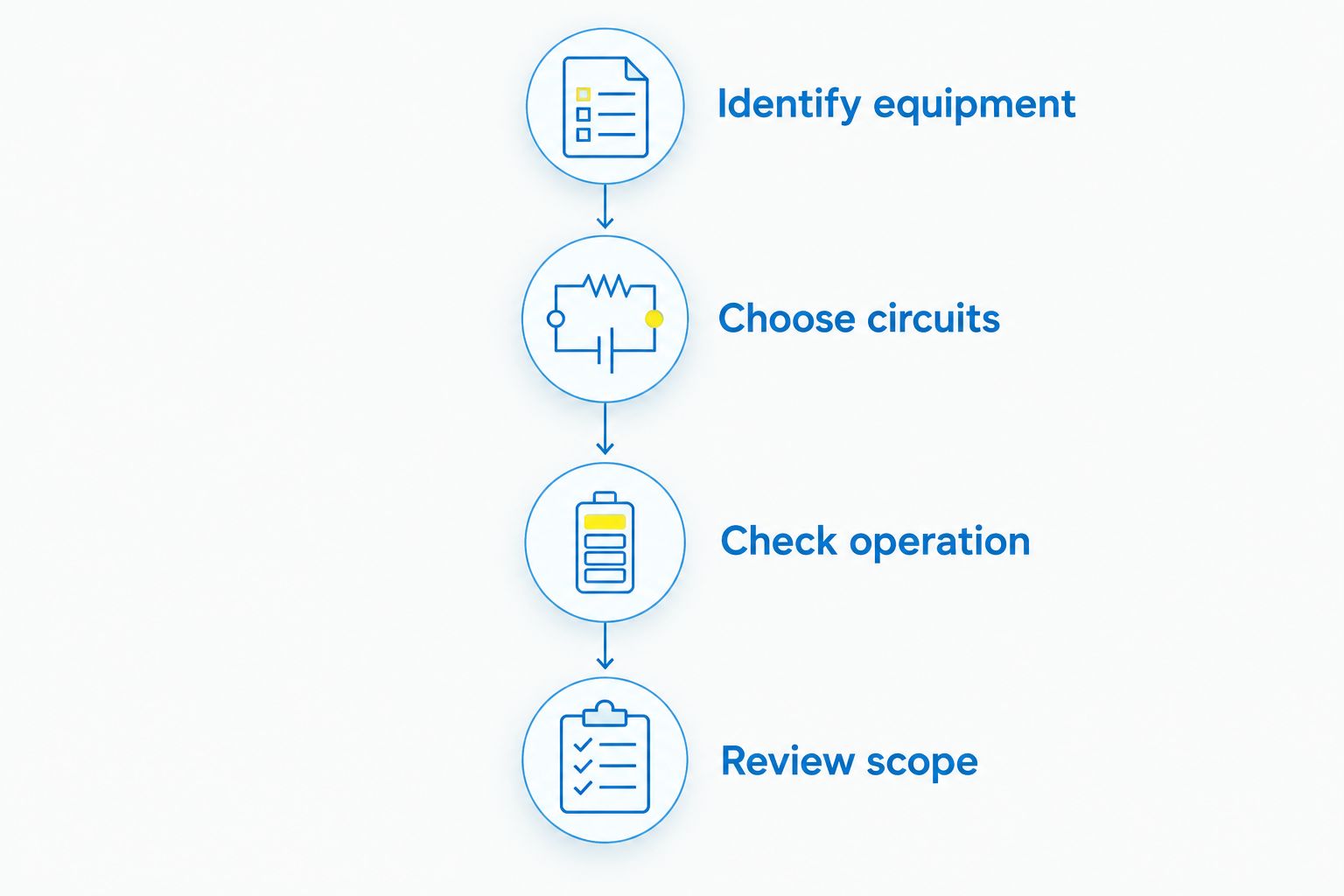
Use this sequence to turn a general battery inquiry into a decision-ready proposal. You do not need to open electrical equipment or inspect live wiring yourself.
- Identify equipment. Gather existing installation documents, inverter model information, monitoring access, and any available electrical drawings.
- Choose circuits. List the appliances you need during an outage, then separate essential loads from equipment you can leave off.
- Check operation. Ask how the proposed battery works during normal service, at grid failure, overnight, and when sunlight returns.
- Review scope. Confirm equipment changes, electrical work, applicable approvals, commissioning, and responsibility for support.
Your 2026 proposal should explain what happens when the battery reaches its reserve setting or becomes depleted. Also ask how the system recovers when sunlight returns; do not assume every configuration restarts in the same way.
Alphasolarsa is best for San Antonio homeowners seeking a local contractor for residential solar battery backup. Its custom system design and support after installation belong in the discussion, but the proposed equipment still needs a compatibility assessment for your existing installation.
How much battery capacity do you actually need?
Battery capacity and battery output answer different questions. Capacity describes stored energy; output describes how much power the system can deliver at a given moment.
A kilowatt is a unit of power: 1 kW equals 1,000 watts. A kilowatt-hour measures energy: 1 kWh is the energy used by a 1 kW load over 1 hour. Those are unit definitions, not a runtime estimate for your home.
Ask for usable energy capacity in kWh and supported output in kW. Then ask the installer to connect those figures to your actual backup circuits, rather than presenting battery capacity alone as proof that everything will run.
Starting demand matters for motor-driven equipment. A battery that supports an appliance's normal operation still needs sufficient starting capability for that appliance and the other loads running at the same time.
Size around your outage priorities, not the number of panels on the roof. Solar production helps replenish storage when conditions and system controls permit; it does not replace the need to assess nighttime consumption.
Should you back up essential circuits or the whole house?
Essential-circuit backup serves selected loads. Whole-home backup connects a broader set of household circuits, but that connection does not promise every appliance can run simultaneously.
| Backup scope | Best for | Main advantage | Main limitation |
|---|---|---|---|
| Essential circuits | Homeowners prioritizing refrigeration, lights, communications, and selected outlets | Keeps backup focused on defined needs | Unselected circuits remain without backup |
| Whole-home connection | Homeowners seeking broader circuit coverage | Makes more household circuits accessible to backup | Battery output, stored energy, and load controls still limit operation |
A whole-home connection is not unlimited whole-home power. Ask which equipment needs automatic controls or manual restrictions, especially when cooling, cooking, water heating, or vehicle charging could compete for battery output.
The same workload discipline applies when comparing batteries with generators: generator operating costs during outages belong alongside fuel planning, while a battery comparison needs usable storage, recharging conditions, and load limits. Neither comparison is meaningful until you define what must stay powered.
What should an existing-solar battery proposal include?
A useful proposal explains operation, not just equipment names. In 2026, require the installer to put these points in writing before you approve the work:
- Existing equipment: Which inverter, panels, and monitoring equipment remain.
- New equipment: The battery, backup controls, and associated electrical components.
- Backup coverage: The circuits included and restrictions on simultaneous appliance use.
- Outage behavior: Solar recharging, reserve settings, depletion, and recovery.
- Installation scope: Electrical alterations, applicable permits, and utility coordination.
- Handover: Monitoring access, operating instructions, warranty documents, and support contacts.
Ask who handles a problem involving both the original solar system and the new battery. Separate installers and manufacturers can mean separate responsibilities; clarify those responsibilities before installation rather than during an outage.
Alphasolarsa offers residential solar installation and battery backup in San Antonio. A free consultation is an appropriate next step when you want a local team to assess the existing equipment, discuss custom design, and explain support after installation.
Plan your battery retrofit
Discuss your existing solar equipment, backup circuits, and installation scope in a free consultation.
Can I keep my current solar inverter?
You can keep your current solar inverter when the proposed battery configuration supports it. AC coupling provides a route for compatible retrofits, but the installer must also confirm solar behavior during outages.
Request the compatibility basis for the exact model, not a general assurance about its manufacturer. Replacing an inverter and retaining one are different project scopes.
Will my panels charge the battery during an outage?
Your panels charge the battery during an outage only when the complete system supports off-grid operation and conditions permit charging. That requires compatible solar and battery controls, safe grid isolation, and sufficient sunlight.
Make this an explicit acceptance requirement if outage recharging is central to your purchase. A demonstration of normal daytime charging does not establish outage capability.
Is a larger battery always the better choice?
A larger battery is not automatically the better pairing for existing solar. More stored energy does not resolve inverter incompatibility or insufficient output for your intended appliances.
Compare the proposed system against the same circuit list and operating expectations. That makes the differences in storage, power delivery, and installation scope meaningful.
FAQ
Can I add battery to existing solar system equipment without replacing my panels?
Yes, a battery retrofit can retain existing panels when the proposed electrical design supports them. Confirm inverter compatibility, backup controls, and any required equipment changes before proceeding.
Is AC coupling better than DC coupling for existing solar?
AC coupling is the starting point when you want to retain a compatible solar inverter. DC coupling fits a supported hybrid inverter or a project that includes inverter replacement.
Will a battery keep my entire house running during an outage?
A battery does not automatically keep every appliance running during an outage. Backup coverage depends on connected circuits, battery output, stored energy, and any load controls.
Can I choose a battery based only on its kWh rating?
No, the kWh rating describes stored energy rather than the full backup capability. You also need to assess power output, starting demands, compatibility, and the circuits being supplied.
Do existing solar panels automatically work when the grid goes down?
No, ordinary grid-tied solar shuts down during a utility outage without equipment designed for safe backup operation. A battery installation must include the appropriate controls and grid isolation to change that behavior.
Should I replace my inverter before adding a battery?
Replace the inverter only when the selected design requires it or replacement serves another documented project need. First compare a supported retrofit that retains the inverter with the proposed replacement scope.
What should I bring to a battery consultation in 2026?
Bring solar installation documents, inverter model information, recent electricity bills, and a list of essential appliances. These help establish equipment compatibility and your backup priorities.
One last thing
Ask for an outage-mode demonstration during handover. A working monitoring screen while the grid is available does not prove that your selected circuits receive backup power or that solar recharging works during an outage.
For a 2026 retrofit, make the demonstration part of the agreed commissioning process. Have the installer explain reserve settings, appliance restrictions, and recovery behavior before you need the system in a real blackout.
Related guides
- Can solar battery backup run your central air conditioner?
- Can solar battery backup recharge during a grid outage?
- Choosing an outage reserve setting