
TL;DR:
- A comprehensive solar site assessment evaluates a property’s physical, electrical, and structural conditions to optimize system performance and ensure code compliance. Modern remote technologies enable fast, accurate evaluations, reducing costs and scheduling disruptions. Proper assessments prevent permit delays, increase return on investment, and support successful solar deployment in San Antonio.
A solar site assessment is the comprehensive evaluation of a property’s physical, electrical, and structural conditions to determine its suitability for solar installation and to optimize system performance. This process goes well beyond a simple measurement visit. It interprets data to produce feasibility studies, ROI estimates, and design optimizations that protect your investment from day one. For homeowners and property developers in San Antonio, understanding the role of site assessment in solar means knowing exactly what your property can support before a single panel is mounted.
What does a solar site assessment actually evaluate?
A solar site assessment, sometimes called a solar site evaluation, analyzes every physical and regulatory factor that affects how well your system will perform. The industry distinguishes this from a basic site survey: surveys gather measurements, while assessments interpret that data to guide decisions on energy modeling, incentives, and local codes.
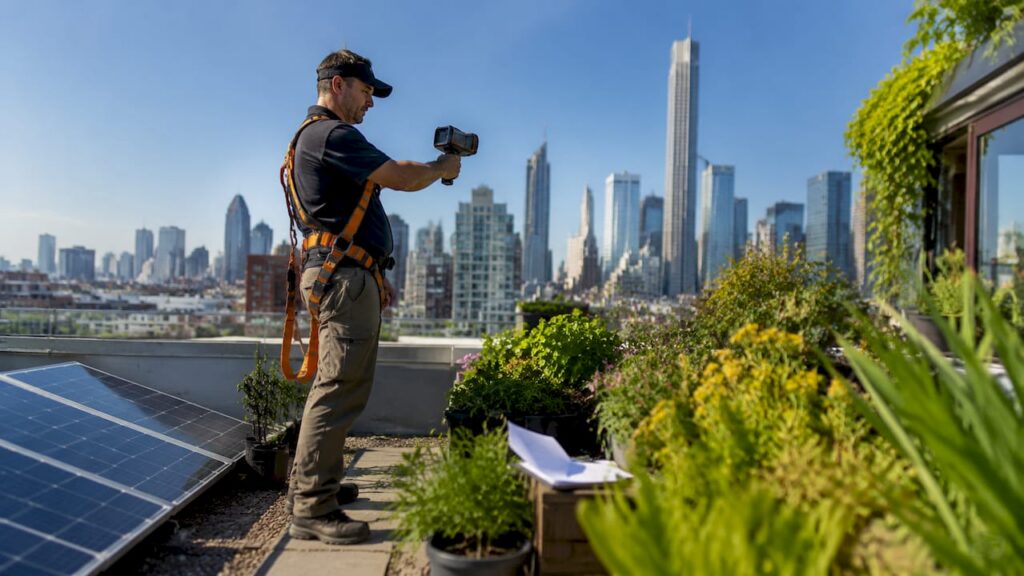
Here is what a qualified assessor examines on your property:
- Roof geometry, pitch, and material. South-facing roofs at a 15–35 degree pitch produce the most energy in San Antonio’s climate. Flat roofs require tilt mounts, which add cost and must be factored into the design.
- Shading analysis. Trees, neighboring buildings, chimneys, and HVAC units all cast shadows that reduce output. 3D shading simulations use physics-based irradiance modeling to quantify exactly how much production each shadow source costs you annually.
- Structural load capacity. Your roof framing must support the added weight of panels and racking. Older San Antonio homes with wood shake or aging tile roofs often require reinforcement before installation can proceed.
- Electrical system evaluation. The assessor checks your main panel size, breaker ratings, and available busbar capacity. This directly determines whether your home meets NEC Article 705.12 compliance requirements, commonly called the 120% Rule, which limits how much solar current your existing panel can safely handle.
- Local permitting and zoning constraints. San Antonio’s City Development Services Department has specific setback rules, HOA overlay zones, and wind load requirements that vary by neighborhood. Missing any of these details at the assessment stage causes permit rejections later.
Pro Tip: Ask your assessor to provide a written shading report, not just a verbal summary. A documented shading analysis becomes part of your permit package and speeds up AHJ approval.
How do modern technologies improve solar site evaluations?
Technology has changed how solar site evaluations are conducted, making them faster, more accurate, and less disruptive to your schedule. Remote-first assessments now deliver installer-grade designs in under 60 minutes using satellite imagery, LiDAR (light detection and ranging, a laser-based measurement tool), and cloud-based design software.
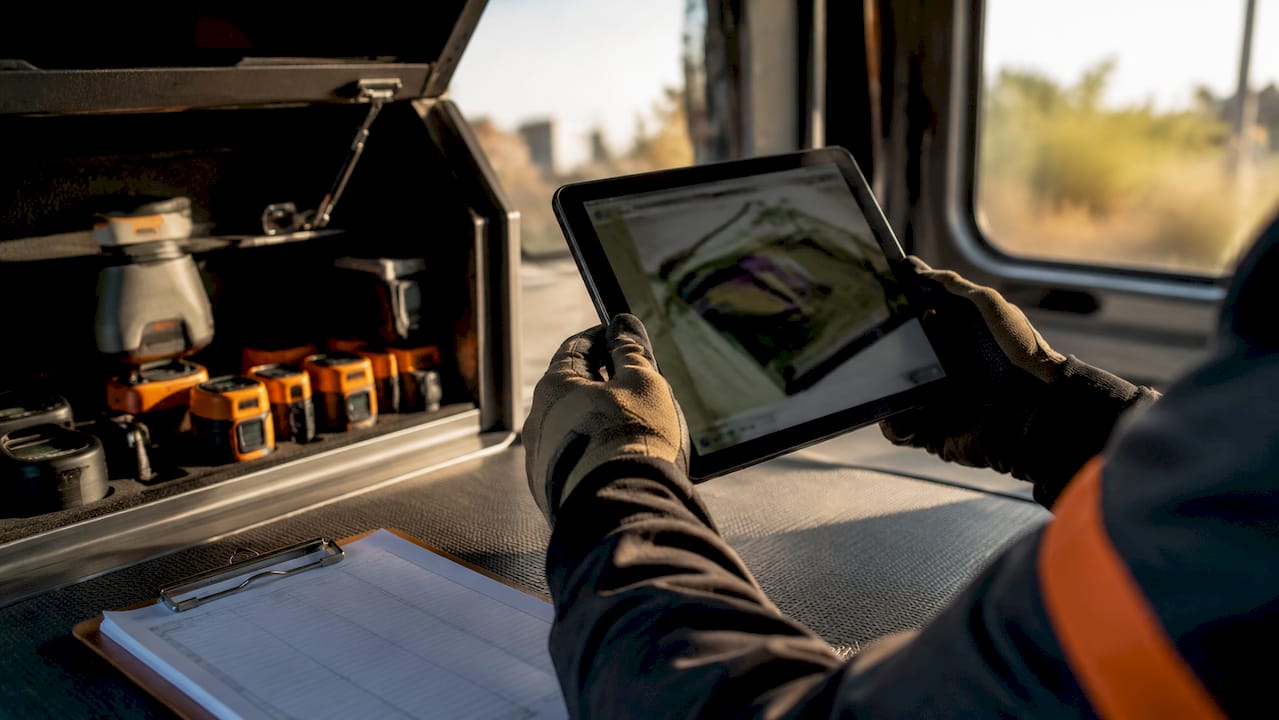
LiDAR measurements match hand measurements within 3.5% accuracy. That level of precision means a remote model is reliable enough to base a full system design on, without requiring a technician to climb your roof for an initial proposal.
Here is how remote and traditional assessment methods compare:
| Factor | Remote Assessment | Traditional Site Visit |
|---|---|---|
| Time to complete | Under 60 minutes | 2–4 hours on-site |
| Cost impact | Saves approx. $0.17/W | Higher due to truck roll costs |
| Accuracy | Within 3.5% of manual survey | Dependent on technician skill |
| Homeowner disruption | Minimal, no visit required | Requires scheduling and access |
| Best use case | Initial design and proposal | Final verification before install |
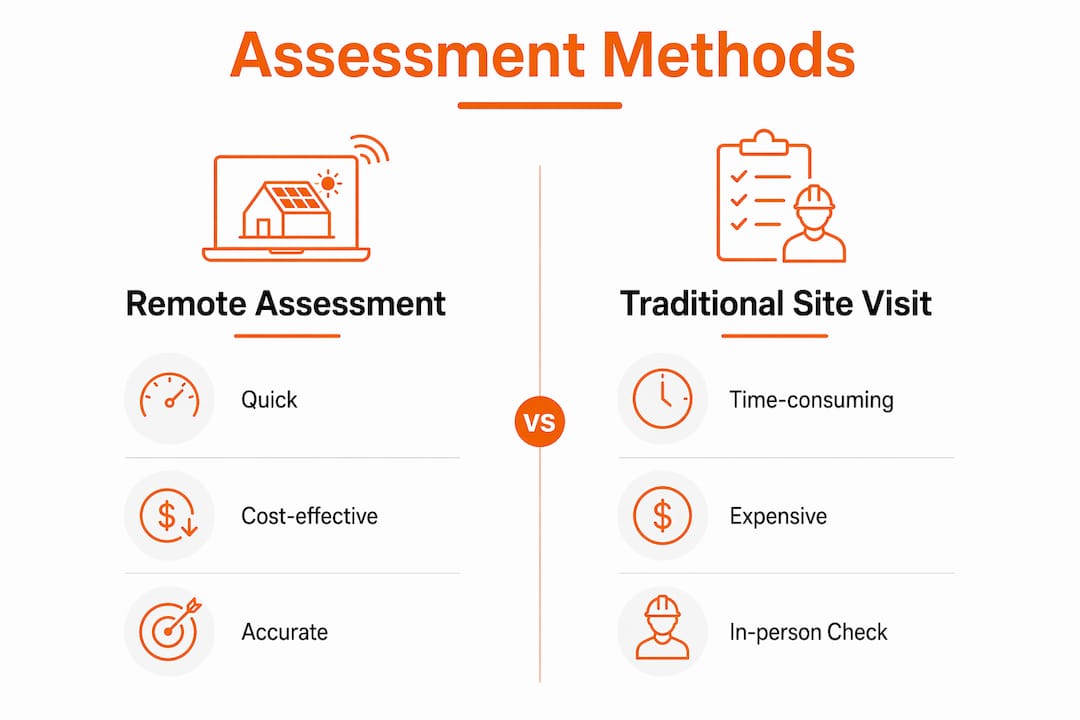
The remote approach eliminates what the industry calls “pre-sale truck rolls,” which are costly site visits made before a homeowner has even agreed to move forward. Eliminating truck rolls saves approximately $850 on a 5 kW installation. That saving flows directly into your project budget.
Remote assessments are now the industry standard for initial proposals. A final on-site verification remains critical before installation begins, particularly to confirm vent pipe locations, roof attachment points, and any conditions satellite imagery cannot capture clearly.
Pro Tip: When reviewing a solar proposal, ask whether the design was based on a remote assessment or an on-site visit. If it was remote only, request a final physical verification before signing a contract.
What code compliance issues do assessments uncover?
Code compliance is where many San Antonio solar projects run into trouble, and a thorough site assessment is the primary tool for catching problems before they become expensive. NEC Article 705.12 compliance is the leading cause of permitting delays in 2026 installations. The 120% Rule means your main breaker plus your solar breaker cannot exceed 120% of your busbar’s rated capacity. If your panel is already near its limit, you may need an upgrade before solar can be added.
Beyond electrical compliance, 2026 has brought tighter structural requirements:
- Stamped structural calculations are now required by many Authority Having Jurisdiction (AHJ) offices in South Texas, particularly for homes in higher wind load zones. San Antonio sits in a region where wind zone requirements directly influence how panels are mounted and how many attachment points are needed.
- Seismic considerations are less common in San Antonio but still appear in updated building codes that assessors must account for in their documentation.
- Incomplete assessments cause permit rejections. Thorough documentation reduces permit approval timelines from months to days. A rushed or incomplete assessment package is the primary reason projects stall at the permit office.
“Ignoring tightened 2026 AHJ requirements, especially for wind and seismic loads, causes costly permit rejections and redesigns. Upfront documentation in the assessment phase is the only reliable way to avoid this.” — Energyscape Renewables, Solar Site Survey Checklist 2026
The practical takeaway for San Antonio homeowners is straightforward. Hire an assessor who knows local AHJ requirements, not just general NEC code. The City of San Antonio and Bexar County each have specific documentation standards, and an assessor unfamiliar with them will cost you time and money.
How does site assessment impact your solar ROI?
The financial case for a thorough solar site evaluation is direct and well-supported. Soft costs, which include permitting, customer acquisition, and site assessment, account for about 55% of the residential solar install price. That means the quality of your assessment has a larger effect on total project cost than most homeowners realize.
A detailed assessment prevents change orders, which are last-minute design revisions that occur when installers discover site conditions they did not anticipate. Change orders add cost, delay timelines, and create frustration. An assessor who identifies a shading problem, a panel upgrade need, or a structural issue before installation begins eliminates those surprises entirely.
Optimal panel placement, determined through accurate shading analysis and roof geometry mapping, directly increases your system’s annual energy production. A system placed without this analysis may underperform by 10–20% compared to one designed with precise irradiance data. Over a 25-year system life, that gap compounds into thousands of dollars in lost savings.
For property developers in San Antonio, the ROI impact of a quality assessment extends further. A well-documented assessment supports faster permitting, cleaner financing applications, and stronger property valuations. Lenders and appraisers respond positively to projects backed by complete technical documentation.
Pro Tip: Request an itemized cost breakdown from your installer that separates soft costs from hardware costs. This lets you see exactly where assessment quality affects your total investment.
To learn more about planning your solar project from assessment through installation, Alphasolarsa has a step-by-step guide that walks you through each phase.
Key takeaways
A complete solar site assessment is the single most effective way to protect your investment, avoid permit delays, and maximize long-term energy production.
| Point | Details |
|---|---|
| Assessment vs. survey | Assessments interpret data for ROI and design; surveys only gather measurements. |
| Technology accuracy | LiDAR-based remote tools match manual surveys within 3.5%, cutting costs by $0.17/W. |
| Code compliance | NEC 705.12 and 2026 AHJ wind load rules are the top causes of permit delays in San Antonio. |
| Soft cost impact | Soft costs are about 55% of install price, making assessment quality a major cost driver. |
| Final verification | Remote assessments handle proposals efficiently, but on-site checks confirm attachment and vent details. |
Why i think most homeowners underestimate the assessment phase
By Anthony
After working on solar projects across San Antonio, the pattern I see most often is this: homeowners spend weeks comparing panel brands and inverter models, then accept a site assessment that took 20 minutes and was done entirely from a satellite image. The assessment is the foundation. Everything else is detail.
The 2026 tightening of AHJ requirements has made this more consequential than ever. I have seen projects in Bexar County get rejected at the permit stage because the structural calculations did not account for updated wind load zones. That rejection costs the homeowner weeks of delay and sometimes hundreds of dollars in redesign fees. Every one of those rejections was preventable with a proper upfront assessment.
My honest advice: treat the assessment as a non-negotiable deliverable, not a formality. Ask for written documentation of every finding, including shading reports, electrical panel ratings, and structural notes. If your installer cannot provide that, find one who can.
Remote tools are genuinely impressive now. But nuances like vent pipe placement and roof attachment constraints still require a trained eye on-site before the final design is locked. The best approach combines both. Start with a remote assessment for speed and cost efficiency, then confirm the critical details in person. That combination gives you accuracy, speed, and confidence before you commit to a full installation.
For San Antonio homeowners and developers, the local code environment makes this especially true. Knowing your AHJ’s specific documentation requirements before you start saves more time and money than any panel upgrade ever will.
— Anthony
Get a professional site assessment with Alphasolarsa
If you are ready to move from curiosity to a real plan, Alphasolarsa is San Antonio’s full-service solar and battery installation company with deep knowledge of local permitting requirements and site conditions.

Alphasolarsa conducts thorough site evaluations for both residential solar installations and commercial solar projects across the San Antonio area. Every assessment covers roof structure, shading analysis, electrical compliance, and AHJ documentation so your project moves from design to permit approval without surprises. Beyond solar panels, Alphasolarsa also installs battery storage systems, EV chargers, and provides panel cleaning and removal services. Contact Alphasolarsa today to schedule your site evaluation and get a system designed specifically for your property.
FAQ
What is the role of site assessment in solar installation?
A solar site assessment evaluates a property’s structural, electrical, and shading conditions to determine installation feasibility and optimize system design. It produces feasibility studies and ROI estimates that guide the entire project.
How long does a solar site assessment take?
Remote assessments using LiDAR and satellite imagery deliver installer-grade designs in under 60 minutes. A final on-site verification typically takes 1–2 hours and confirms details that remote tools cannot capture.
Why do solar permits get delayed in san antonio?
NEC Article 705.12 compliance issues and incomplete structural documentation are the leading causes of permit delays. San Antonio’s wind load zone requirements also demand stamped structural calculations that many rushed assessments fail to include.
What is the difference between a site survey and a site assessment?
A site survey collects physical measurements of a property. A site assessment interprets those measurements to produce energy models, code compliance reviews, and financial projections that guide installation decisions.
How does a site assessment affect my solar system’s performance?
Accurate shading analysis and roof geometry mapping allow optimal panel placement, which directly increases annual energy production. A system designed without this data can underperform significantly over its 25-year lifespan.