
TL;DR:
- Proper solar system design in San Antonio considers local weather, grid reliability, and financial incentives.
- Choices include grid-tied, battery-backed, or hail-optimized systems tailored to homeowner needs.
- Custom designs maximize long-term savings and system resilience over generic, one-size-fits-all solutions.
Choosing the right solar system design for your San Antonio home is one of the most consequential decisions you’ll make as a homeowner. Your roof layout, local weather risks, utility rates, and energy goals all pull in different directions. A system that works perfectly for a neighbor might leave you overpaying or underprepared for the next big storm. This article walks you through three proven solar system design examples, explains the criteria that matter most in this region, and helps you figure out which setup fits your home, your budget, and your long-term goals.
Table of Contents
- Key criteria for San Antonio solar design
- Example 1: Standard grid-tied home solar system
- Example 2: Battery-backed solar for energy independence
- Example 3: Robust hail-optimized solar setup
- Comparison summary: which design fits your home?
- Why custom solar design beats one-size-fits-all in Texas
- Ready for your custom solar design?
- Frequently asked questions
Key Takeaways
| Point | Details |
|---|---|
| Design with local risks | Hail, heat, and outages in San Antonio require solar systems with certified durability and inspection plans. |
| Real savings add up | A typical home solar system can save $95,000 or more over 25 years with incentives and rising electricity rates. |
| Customization pays off | Tailoring your solar design to your home’s needs optimizes payback, protection, and long-term value. |
| Maintenance keeps systems efficient | Routine cleaning and post-storm inspections maximize performance and panel lifespan. |
Key criteria for San Antonio solar design
Before comparing specific layouts, it helps to understand what actually separates a good solar design from a great one here in San Antonio. This isn’t just about picking the most panels or the lowest price. Several local factors shape every smart decision.
Climate and weather risks
San Antonio sits in a region known for intense heat, occasional ice storms, and serious hail. Hail is the biggest threat to solar hardware in Texas. Panels rated for hail events according to UL 61730 certification and stow protocols used at utility scale are your best defense. When you’re reviewing panel options, always ask about that certification. It’s not optional in this market.
Grid outages also happen here more than homeowners expect. Extreme weather events regularly knock out power for hours or even days. Your design needs to account for that possibility.
Financial factors
The solar power benefits for San Antonio homeowners are real, but they depend on getting the numbers right. Key financial factors include:
- System size relative to your actual energy use
- Federal Investment Tax Credit (currently 30% of total system cost)
- CPS Energy net metering rates, which affect how much you earn for excess power
- Payback period and projected savings over 25 years
Durability and maintenance
Long-term savings only materialize if your system keeps producing. Understanding solar panel basics like panel degradation rates, inverter warranties, and mounting hardware quality all affect how well your system holds up over time.
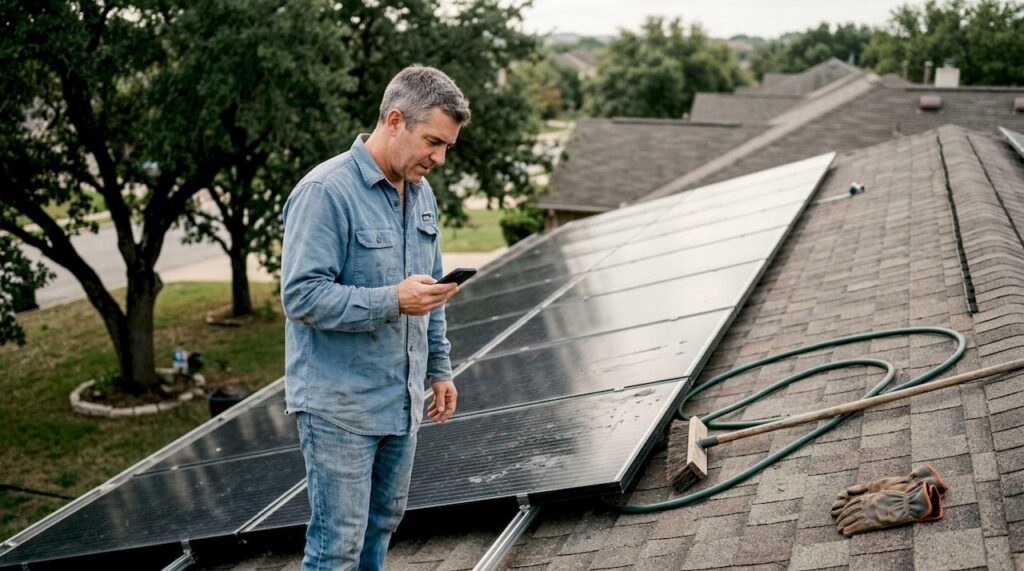
Pro Tip: After any significant hail event, schedule a post-storm inspection even if panels look fine from the ground. Microcracks in solar cells are invisible to the naked eye but quietly reduce output over time. A quick drone or infrared scan can catch damage early and protect your warranty.
Example 1: Standard grid-tied home solar system
The most common residential solar setup in San Antonio is a straightforward grid-tied system. No battery, no backup circuits. Just solar panels, a string inverter or microinverters, and a connection to the CPS Energy grid.
Typical specs
- System size: 11 kilowatts (kW), which covers average household usage
- Panels: 400W monocrystalline panels (around 27 to 28 panels)
- Inverter: String inverter or microinverters depending on shading
- Monitoring: App-based production tracking
Cost and savings
An 11kW system in San Antonio costs approximately $33,000 before incentives and around $23,000 after applying the 30% federal tax credit. Annual savings average $2,180, putting the payback period at roughly 6.9 years. That’s a strong return for a system with a 25-year productive life.
For detailed solar cost breakdowns and how incentives affect your final price, it’s worth reviewing current numbers with a local installer.
Strengths of this design
- Lowest upfront cost among all design types
- Fastest return on investment
- Simple installation and maintenance
- Works well if outages in your area are rare
Trade-offs
The main limitation is grid dependence. When the grid goes down, your solar system shuts off automatically for safety reasons. You won’t have power even on a sunny day. If outages are a concern, this design leaves a gap.
Pro Tip: To maximize net metering returns, run high-energy appliances like dishwashers and washing machines during peak solar production hours (10 a.m. to 3 p.m.). This reduces what you pull from the grid and increases your effective savings. Understanding available solar tax credits can also help you plan the purchase timing for maximum benefit.
Example 2: Battery-backed solar for energy independence
For homeowners who want more than just bill savings, a battery-backed system adds a layer of protection that a grid-tied setup simply can’t offer.
How this design works
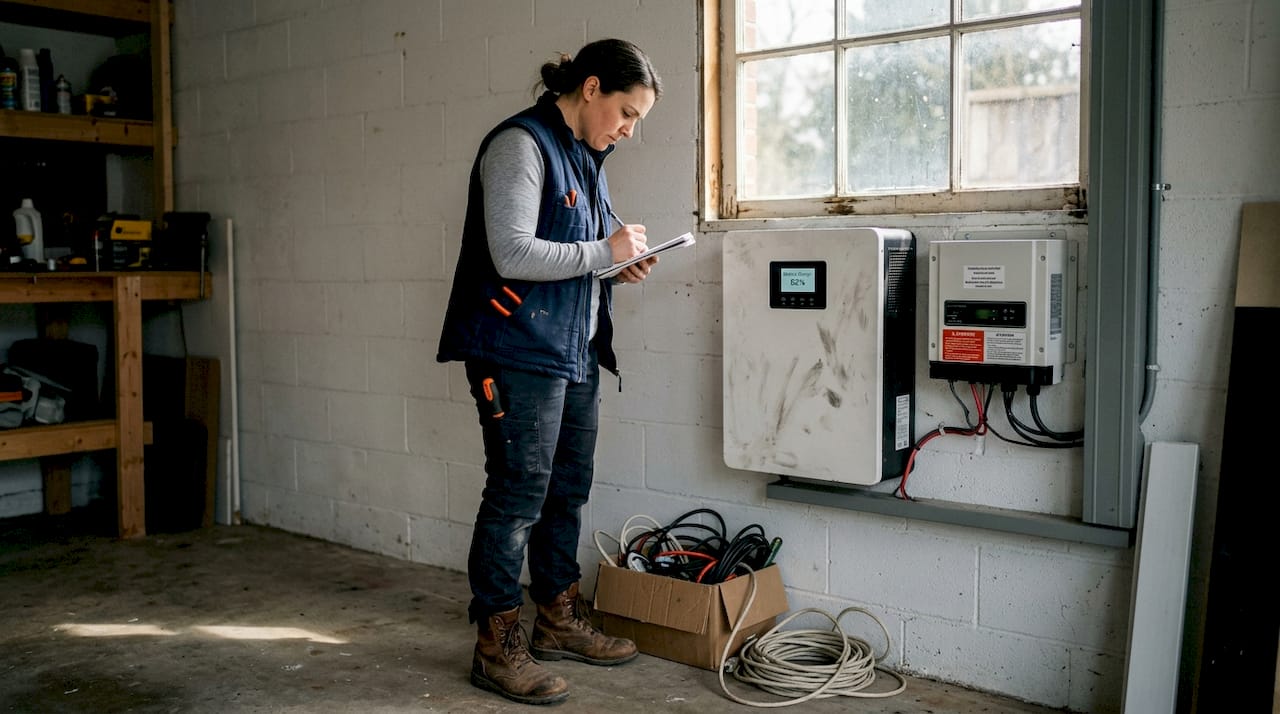
You add one or more home battery units (like a 13.5 kWh lithium battery) to a standard solar setup. The battery stores excess solar energy during the day and releases it at night or during outages. Backup circuits keep essential loads like your refrigerator, lights, and medical equipment running even when the grid is down.
Cost and value
Home battery systems increase upfront cost but provide backup during outages that are common in Texas. A single battery typically adds $10,000 to $15,000 to your system cost before incentives. Batteries may also qualify for the federal tax credit, which softens the impact.
The solar battery backup benefits go beyond convenience. When you consider the cost of a spoiled refrigerator, a hotel stay, or a generator running on expensive gas, the value of reliable backup power adds up quickly.
“Energy independence isn’t just about saving money. It’s about not being at the mercy of the grid when Texas weather turns severe.”
Key components
- Solar array (same sizing as grid-tied)
- Home battery (13.5 kWh or larger depending on backup needs)
- Hybrid inverter that manages solar, battery, and grid simultaneously
- Backup panel or critical load circuit
For a deeper look at how batteries hold up over time, a battery lifetime analysis can help you set realistic expectations before you invest.
Trade-offs
Higher upfront cost and a longer payback period are the main drawbacks. Batteries also require periodic monitoring and eventual replacement (typically after 10 to 15 years).
Example 3: Robust hail-optimized solar setup
Texas hail is no joke. If you’ve lived in San Antonio long enough, you’ve seen what a serious storm can do to a car roof or a skylight. Your solar panels deserve the same level of protection.
What makes this design different
A hail-optimized system starts with panel selection. Panels tested for 65mm hail, combined with drone inspection protocols used after storm events and stow procedures at the inverter level, have shown zero reported loss at scale. That’s a meaningful data point when you’re making a 25-year investment.
Here’s how the design and inspection process typically works:
- Select panels with UL 61730 certification and verified hail impact ratings
- Use reinforced racking and mounting hardware rated for high-wind and impact loads
- Program inverters with automatic stow mode to angle panels away from incoming hail
- Schedule a drone inspection after any storm with reported hail larger than 1 inch
- Use infrared (IR) thermal imaging to detect microcracks not visible to the eye
Comparison: hail-optimized vs. standard system
| Feature | Standard system | Hail-optimized system |
|---|---|---|
| Panel certification | Basic UL rating | UL 61730 hail-rated |
| Mounting hardware | Standard | Reinforced, impact-rated |
| Post-storm inspection | Optional | Built into maintenance plan |
| Estimated 25-year cost | Lower upfront | Slightly higher upfront |
| Long-term reliability | Moderate | High |
For homeowners focused on long-term solar savings, the added cost of a hail-optimized setup is often recovered through avoided repair costs and maintained production levels.
Comparison summary: which design fits your home?
Now that you’ve seen each design in detail, here’s how they compare side by side.
| Design type | Approx. cost (after credit) | Annual savings | Best for | Key trade-off |
|---|---|---|---|---|
| Grid-tied | ~$23,000 | ~$2,180 | Cost-focused buyers | No backup power |
| Battery-backed | ~$33,000+ | ~$2,400+ | Outage-prone areas | Higher upfront cost |
| Hail-optimized | ~$25,000+ | ~$2,180+ | Storm-prone homes | Slightly higher hardware cost |
System lifetime savings exceed $95,000 over 25 years for an average San Antonio home. That number makes even the premium designs look like a smart financial move.
Quick recommendations by homeowner type
- Cost-focused: Go with a standard grid-tied system and prioritize net metering optimization
- Outage-prone: Battery-backed design gives you the resilience you need
- Weather-worried: Hail-optimized setup protects your investment in storm season
- Want it all: A battery-backed, hail-optimized system combines the best of both
Exploring sustainable solar options can also help you think about how your system fits into a longer-term energy strategy for your household.
Why custom solar design beats one-size-fits-all in Texas
Here’s a perspective most solar articles won’t share: the biggest risk in going solar isn’t choosing the wrong panel brand. It’s accepting a generic design that ignores what makes your home and location unique.
We’ve seen homeowners in San Antonio buy budget systems that looked great on paper, only to discover their roof orientation, shading from a new neighbor’s tree, or proximity to a hail corridor made that system underperform by 20% or more. That gap compounds over 25 years.
The contrarian view worth considering is this: spending an extra $2,000 to $4,000 on better panels, smarter inverters, or a partial battery backup often delivers outsize returns compared to bargain shopping on the base system. Small upgrades early in the design process protect your real solar cost insights and prevent expensive retrofits later.
Expert design also accounts for CPS Energy’s specific metering rules, local permitting timelines, and how your home’s load profile changes across seasons. A cookie-cutter approach misses all of that. The payoff for getting the design right from day one is measured in tens of thousands of dollars over the life of your system.
Ready for your custom solar design?
The examples in this article give you a strong starting point, but your home deserves a design built around your specific roof, usage, and goals.
At Alpha Solar Solutions, we specialize in residential solar installs tailored to San Antonio homes, from straightforward grid-tied systems to full battery-backed and hail-optimized setups. We also offer panel cleaning services to keep your system producing at peak efficiency year after year, and removal or upgrades if your needs change down the road. Reach out today for a free custom design consultation and see exactly what your home can do.
Frequently asked questions
What size solar system do most San Antonio homes need?
Most single-family homes in San Antonio install an 11kW system, which covers average electricity use and maximizes utility savings with current incentives.
How does hail impact solar panels in Texas?
Panels rated under UL 61730 certification withstand hail up to 2.5 inches, and storms usually require only a drone inspection to check for microcracks.
How long is the payback period for a typical home solar system?
A typical San Antonio system pays for itself in about 6.9 years after incentives and continues generating savings for 25 years or more.
Are home batteries worth it for solar in San Antonio?
Batteries cost more up front but provide backup during outages and increase your energy independence, which is especially valuable given Texas grid reliability concerns.