
TL;DR:
- Most Texas homeowners view solar primarily as a way to lower electricity bills, but it also enhances energy independence and resilience during outages. Proper system planning, backup options like batteries, and understanding incentives are crucial for achieving true independence that secures power and predictable costs. Combining thoughtful design with backup solutions and staying informed about evolving technology ensures long-term reliability and benefits.
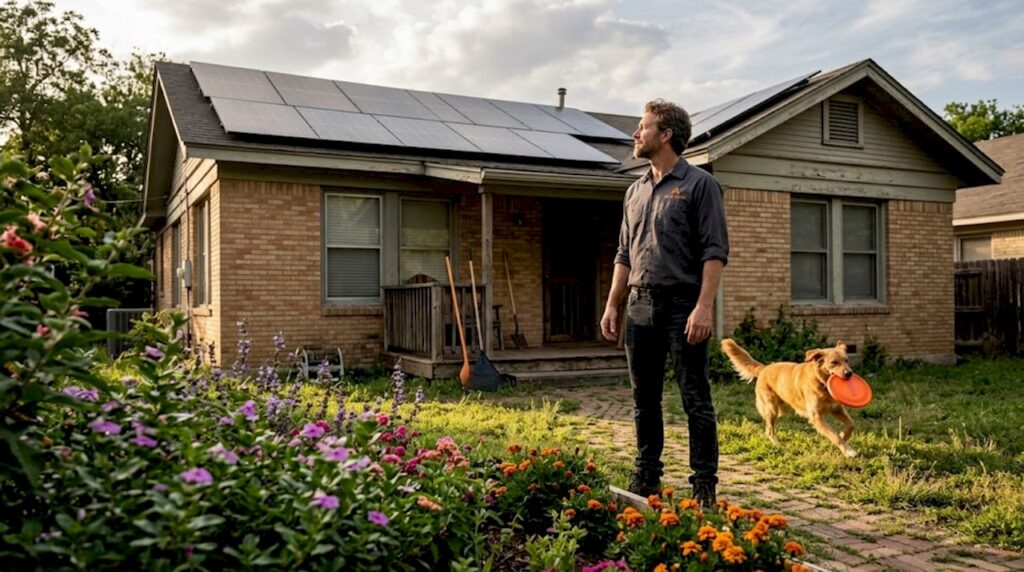
Most Texas homeowners think about solar as a way to cut their monthly electric bill. That’s a real benefit, but it’s only part of the picture. The full role of solar in energy independence goes further: it gives you control over your own power supply, protects you from grid failures like Winter Storm Uri, and locks in predictable energy costs for years ahead. This guide walks through how solar technology works for your home, how to plan a system that fits your actual goals, what backup options you need for true outage protection, and which financial incentives make it all more affordable than you might expect.
Table of Contents
- Understanding solar power and its role in energy independence
- Planning your solar system for meaningful energy independence in Texas
- Achieving resilience: solar-backed battery systems and backup power options in Texas
- Financial incentives and return on investment for Texas homeowners using solar
- The future of solar and energy independence: trends Texas homeowners should watch
- Rethinking energy independence: beyond panels to engineered resilience
- Explore residential solar solutions with Alpha Solar Solutions, LLC
- Frequently asked questions
Key Takeaways
| Point | Details |
|---|---|
| Solar ownership | Solar lets you produce your own energy, offering savings and resilience beyond just bill reduction. |
| System planning | Proper planning including code review and grid connection decisions is crucial for meaningful energy independence. |
| Backup power | Combining solar with batteries and backup generators is essential to keep power during outages. |
| Financial incentives | Federal and local incentives can reduce solar installation costs by up to 50% for Texas homeowners. |
| Security importance | Cybersecurity is a growing concern; secure system setup and updates are part of true energy independence. |
Understanding solar power and its role in energy independence
There are two main types of solar technology you’ll hear about. Photovoltaic (PV) panels convert sunlight directly into electricity and are the standard choice for Texas homes. Concentrating solar-thermal power (CSP) uses mirrors to focus sunlight and generate heat to drive turbines. CSP is a utility-scale technology. For your home, PV is what matters.
PV panels on your roof do something no utility company can offer: they let you own your energy production. Solar electricity lets homeowners own their energy generation and supports energy independence and resilience during disruptions like storms, rolling blackouts, and even cyber-related grid events. You’re not just a consumer anymore. You’re a producer.
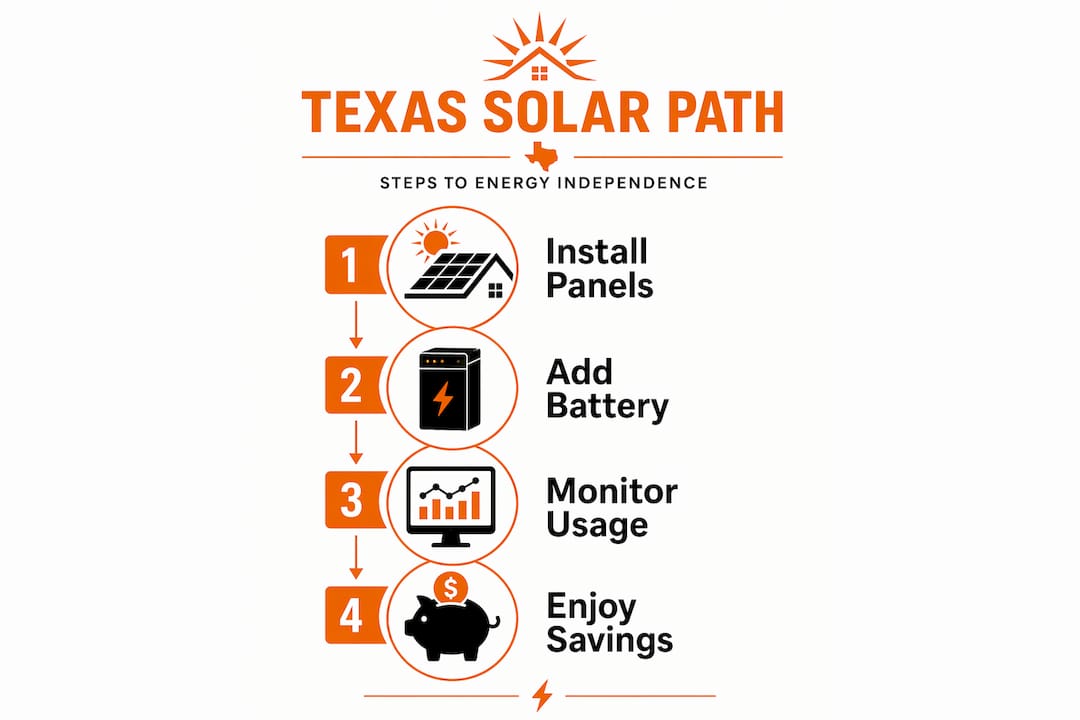
For Texas homeowners, this matters more than it does in most states. Texas runs on its own electrical grid, ERCOT, which limits the amount of energy Texas can import from neighboring states during an emergency. That isolation creates real vulnerability. A solar system on your property is a direct answer to that risk.
Here’s what energy independence through solar actually covers:
- Reliability: Your home continues generating power even when demand spikes or weather disrupts the grid.
- Affordability: You lock in a predictable energy cost instead of watching your electricity rate creep higher each year.
- Resilience: With the right backup components, your home can run independently of the grid for extended periods.
- Control: You decide how your energy is generated, stored, and used.
If you want a broader view of how solar fits into Texas energy policy and incentives, the Texas solar energy guide is a useful place to start.
Planning your solar system for meaningful energy independence in Texas
Before you buy a single panel, planning is where you win or lose. A system that’s too small leaves you still dependent on the grid. A system that’s oversized costs more than it should. DOE recommends analyzing your electricity use, reviewing local codes, choosing a grid connection type, and evaluating technology options before committing to a system design.
Here’s how to approach each step:
-
Analyze your electricity use. Pull your last 12 months of utility bills and calculate your average monthly kilowatt-hour (kWh) consumption. This is the foundation for sizing your system correctly. Our solar system sizing guide walks through this in detail for San Antonio homeowners.
-
Check local building codes and HOA rules. Texas has generally favorable solar laws, but your city or county may have specific permitting requirements, setback rules, or structural standards. Getting this wrong delays your project by weeks.
-
Choose grid-connected or off-grid. Most Texas homeowners go grid-tied, which lets you sell surplus energy back to the utility through net metering. Off-grid means full independence but requires larger battery banks and more careful load management. Your goal and budget drive this decision.
-
Select panels, inverters, and battery options. Modern monocrystalline panels are the most efficient choice for Texas rooftops. Inverters convert the DC power from your panels into AC power your home uses. String inverters are cost-effective; microinverters perform better when there’s partial shading.
-
Map out your savings potential. The solar savings workflow for Texas homes helps you model real financial outcomes before you commit.
Pro Tip: Contact your local utility early to understand interconnection rules. Some utilities in Texas have specific timelines and paperwork requirements for connecting a solar system to the grid. Finding this out at the start, not after installation, saves real time and frustration.
For a full walkthrough of the planning process, the home solar planning guide covers everything in sequence.
Achieving resilience: solar-backed battery systems and backup power options in Texas
Here’s the piece most homeowners miss: solar panels alone do not keep your lights on during a grid outage. When the grid goes down, a standard grid-tied solar system shuts off automatically for safety reasons. To maintain power, you need battery storage or a generator paired with your solar setup.
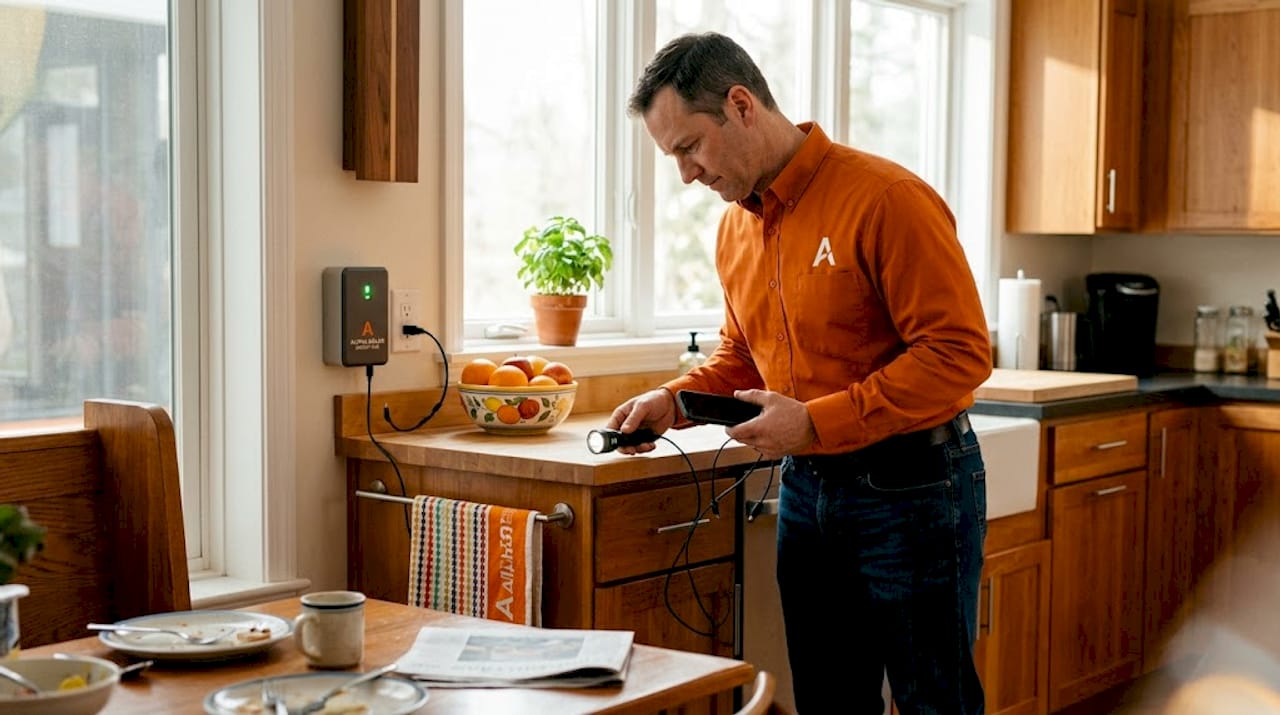
Texas Backup Power Packages combine photovoltaic panels, batteries, and generators to supply critical loads for at least 48 hours without needing the grid to recharge. This standard, developed by the Texas Solar Energy Society, sets a practical benchmark for what real outage protection looks like.
| System type | Outage protection | Energy independence level | Cost range |
|---|---|---|---|
| Solar only | None (shuts off during outage) | Low | Lower upfront |
| Solar + battery | Yes, for prioritized loads | High | Moderate to high |
| Solar + battery + generator | Full 48-hour+ backup | Maximum | Highest |
When designing your backup setup, critical load selection is one of the most important decisions you’ll make. Instead of trying to power your entire home from batteries, you designate the circuits that matter most: refrigerator, medical equipment, lighting, router, and HVAC if your system size allows. This extends your battery runtime significantly and keeps costs manageable.
Key factors to consider when choosing a backup configuration:
- Battery capacity is measured in kilowatt-hours (kWh). A typical home needs 10 to 20 kWh of battery storage to cover essential loads through the night or a short outage.
- Depth of discharge refers to how much of the battery’s total capacity you can use. Most lithium iron phosphate (LiFePO4) batteries allow 80 to 90% depth of discharge.
- Automatic transfer time is how quickly your system switches from grid power to battery power during an outage. Faster is better. Some systems switch in under 20 milliseconds, which most appliances never even notice.
For a detailed look at your options, see our backup protection options guide, and if you want to understand how long your battery system will realistically last over time, the battery storage lifespan article covers exactly that.
Pro Tip: When interviewing installers, ask specifically about automatic switchover time and which loads are included in the backup circuit. These two questions reveal more about the system’s real-world performance than any spec sheet will.
Financial incentives and return on investment for Texas homeowners using solar
The cost of going solar has dropped significantly over the past decade, and today’s incentive programs make it more financially accessible than ever. Understanding what’s available helps you plan your purchase timing and paperwork correctly.
The biggest incentive is the federal Residential Clean Energy Credit. The 30% federal tax credit applies to qualifying solar panel and battery storage installations through 2032, with no annual cap on the credit amount. If your system costs $30,000, you receive a $9,000 credit directly against your federal tax liability.
| Incentive type | Approximate value | Key conditions |
|---|---|---|
| Federal Residential Clean Energy Credit | 30% of system cost | Filed with federal taxes, available through 2032 |
| Utility rebates (varies by provider) | $1,500 to $3,000 | Depends on utility; CPS Energy and others offer programs |
| Texas property tax exemption | 100% of solar-added home value | Applied at county level; no application deadline |
Tips to maximize your incentive stacking:
- Install before December 31 of the tax year you want to claim the federal credit.
- Check your utility’s rebate portal before installation, since some programs require pre-approval.
- File IRS Form 5695 when claiming the Residential Clean Energy Credit. Your installer should provide the system cost documentation you need.
- Notify your county appraisal district after installation to ensure the property tax exemption is applied correctly.
Most Texas homeowners see a payback period of 7 to 10 years depending on system size, electricity rates, and available incentives. After that, you’re generating your own power essentially for free for the remaining life of the system, typically 25 to 30 years. For financing options, see our breakdown of solar financing options in Texas, and for a closer look at the federal credit itself, visit our federal solar tax credits guide.
The future of solar and energy independence: trends Texas homeowners should watch
Solar is not standing still. Global solar PV capacity is expected to nearly double by 2030, representing almost 80% of all renewable energy capacity growth worldwide. That expansion is driving down panel costs, improving battery technology, and creating new opportunities for Texas homeowners to get more from their systems.
Trends worth watching:
- Improved battery chemistry: Next-generation lithium iron phosphate and solid-state batteries will offer higher energy density and longer cycle life, meaning more backup capacity in a smaller footprint.
- Smart inverters: These allow two-way communication between your system and the grid, supporting time-of-use pricing strategies and better load management.
- Microgrid capabilities: Neighborhood-level energy sharing is becoming technically and legally possible in parts of Texas, which could let clusters of solar-equipped homes support each other during outages.
- Virtual power plants (VPPs): Some Texas utilities are beginning to compensate homeowners who allow their batteries to contribute to grid stability during peak demand events.
One emerging concern homeowners should take seriously: cybersecurity. Modern inverters are internet-connected devices. DOE cybersecurity efforts make clear that homeowners should consider secure system setup and ongoing software updates as part of maintaining safe, reliable energy independence.
“As inverter-based resources become more prevalent in the grid, the cybersecurity of residential solar systems becomes a real operational concern, not just a theoretical one.”
Ask your installer how your system will receive firmware updates, how it communicates with home networks, and what protocols are in place if a vulnerability is identified. This is now a standard part of a responsible solar installation. For a look at where solar technology is heading, explore our solar technology trends resource.
Rethinking energy independence: beyond panels to engineered resilience
After years of working with Texas homeowners, we’ve seen a pattern worth naming directly. Most people who come to us thinking about solar are focused on one thing: the number of panels. They want to know how many panels they need and how much they’ll save. That’s a reasonable starting point, but it misses the harder question.
True energy independence is an engineered outcome. It requires the right size solar array, correctly sized battery storage, a clear plan for which loads get protected, and a setup that complies with local interconnection rules. True independence requires engineered backup solutions with measured metrics like 48-hour discharge capability, not just a roof covered in panels.
We’ve seen homeowners invest in oversized solar arrays with no battery backup, only to find their home goes dark during the next storm just like their neighbors. We’ve also seen homeowners who prioritize a modest but well-designed solar-plus-battery system and make it through multi-day outages comfortably.
Common pitfalls to avoid:
- Ignoring local codes and interconnection requirements, which can result in costly system redesigns after installation.
- Neglecting battery sizing, leaving you with enough solar production but no way to store it for use at night or during outages.
- Overlooking critical load prioritization, which leads to batteries draining within hours because non-essential circuits weren’t excluded.
- Skipping cybersecurity questions, leaving your internet-connected inverter exposed.
Energy independence is also not a one-time installation. It’s an ongoing relationship with your system. That means staying current with software updates, scheduling regular panel cleaning, monitoring your production data, and reassessing your battery capacity as your household energy use changes over time. Our solar power planning resource gives you a solid framework for thinking about this long-term.
Pro Tip: Treat your solar system the way you treat your HVAC system. It needs attention, periodic maintenance, and the occasional upgrade to keep performing at its best.
Explore residential solar solutions with Alpha Solar Solutions, LLC
If this article has made one thing clear, it’s that real energy independence comes from thoughtful system design, the right backup components, and a partner who understands the Texas regulatory environment.
At Alpha Solar Solutions, we design and install custom residential solar systems built around your home’s actual energy needs and your independence goals. We also install battery backup systems to keep your critical loads running through outages, and we handle everything from permitting to final inspection. Whether you’re starting from scratch or adding backup protection to an existing solar setup, we’re ready to help you take the next step. Contact us today to schedule your consultation and find out how quickly your investment can start working for you.
Frequently asked questions
What does energy independence mean with solar power for Texas homeowners?
Energy independence means generating and managing your own electricity through solar and backup systems, reducing reliance on the grid and maintaining power during outages. Solar electricity supports household energy independence by letting you own your energy production and improve reliability.
Can solar panels alone keep my home powered during outages in Texas?
No. A standard grid-tied solar system shuts off automatically when the grid goes down. To maintain power during outages, you need a solar system paired with battery storage or a backup generator. Texas Backup Power Packages combine photovoltaics with batteries and generators for at least 48 hours of backup power without grid recharge.
How do federal incentives reduce the cost of installing solar and batteries in Texas?
The federal Residential Clean Energy Credit covers 30% of eligible solar and battery installation costs, applied directly as a tax credit with no annual cap. This 30% credit is available for qualifying systems installed through 2032.
What local rules affect how I can install solar for energy independence at home in Texas?
Local building codes, utility interconnection rules, and zoning regulations all affect what type of system you can install and whether you connect to the grid or go fully off-grid. Local codes and regulations determine permitted system types and grid connection options for homeowners.
How can I ensure my solar energy system is secure from cyber threats?
Ask your installer about secure setup practices, how firmware updates are delivered, and how your inverter connects to your home network. DOE cybersecurity guidance recommends homeowners treat secure commissioning and ongoing software updates as essential parts of a reliable, independent solar system.