
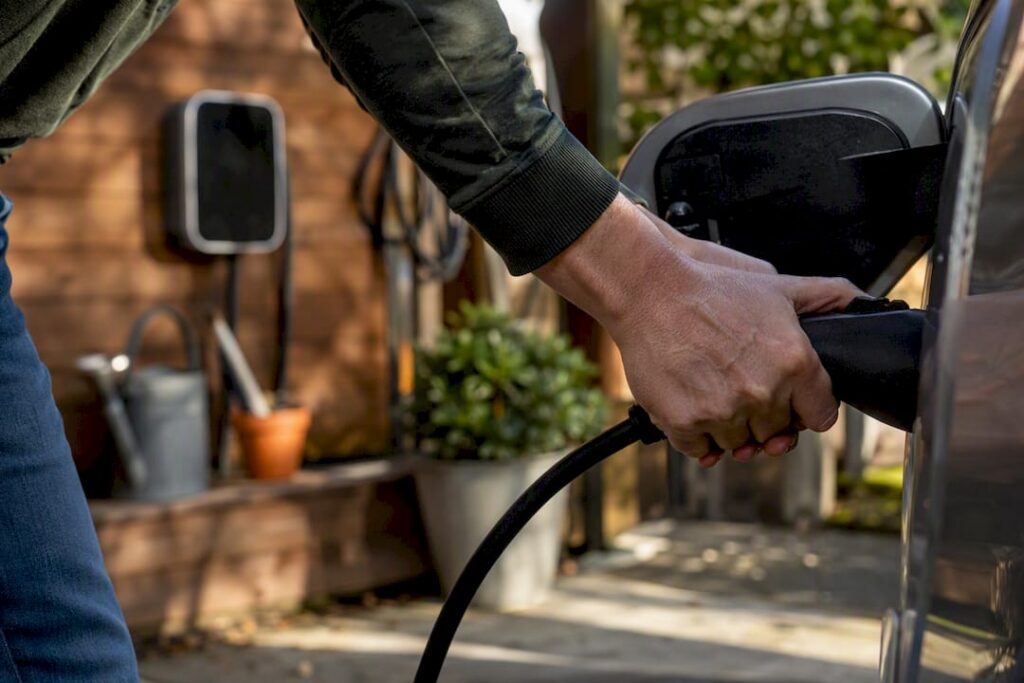
If you drive less than about 40 miles a day and can plug in every night, a Level 1 charger is often all you need. If you regularly cover more than 40 to 50 miles a day, own more than one EV, or want your car topped off in a few hours instead of a full night, Level 2 charging is the better fit. That threshold comes from EPA guidance on home charging, and it lines up with the SAE J1772 connector standard that governs both charging levels in North America. One thing both levels share: neither is Level 3. DC fast charging is built for public rapid refueling, not home garages.
Before you decide, do one thing tonight: check how many hours your car actually sits parked at home.
- Under 40 miles/day + 8+ hours overnight = Level 1 usually works
- Over 40 to 50 miles/day, multiple EVs, or tight charging windows = Level 2 makes sense
- Level 3 (DC fast charging) is a public-road tool, not a home installation
Key Takeaways
Level 1 charging suits daily drives under 40 miles with consistent overnight parking, while Level 2 becomes the practical choice once mileage, multiple EVs, or shorter charging windows enter the picture.
| Point | Details |
|---|---|
| Know your daily mileage | Under 40 miles/day with overnight parking usually means Level 1 is enough. |
| Level 2 adds real speed | Home Level 2 setups typically add 25 to 30 miles of range per hour versus 3 to 5 for Level 1. |
| Size the breaker correctly | Follow the NEC 80% rule: a 32A charger needs a 40A breaker, not a 32A one. |
| Battery health isn’t the deciding factor | Regular Level 2 charging is safe for modern battery packs; DC fast charging is the bigger aging concern. |
| Get a site assessment first | Alpha Solar Solutions checks your panel capacity and wiring path before you commit to hardware. |
Table of Contents
- How Level 1 and Level 2 Chargers Actually Work
- How Many Miles Per Hour Does Each Charger Add?
- What Does a Level 2 Home Installation Cost?
- When Is Level 1 Charging Enough?
- When Is Level 2 Worth the Investment?
- Does Slower Charging Really Protect Your Battery?
- Why San Antonio Homeowners Ask Us About This First
- How to Book a Level 2 Charger Installation Estimate
- Sources
How Level 1 and Level 2 Chargers Actually Work
Level 1 charging runs off a standard 120 volt household outlet, the same one powering your coffee maker. It draws around 12 amps and delivers low power, which is why it charges slowly but needs zero new wiring.
Level 2 charging steps up to 240 volts, the same voltage as an electric dryer outlet, and typically pulls between 24 and 48 amps. A 24 amp Level 2 unit produces about 6.0 kW, nearly eight times the output of Level 1 in many home setups. Every Level 2 charger and nearly every EV sold in North America uses the SAE J1772 connector.
- Level 1: 120V, ~12A, ~1.4 kW, no connector standard issues, plugs into any outlet
- Level 2: 240V, 24 to 48A, up to 11.5+ kW, J1772 connector
- Your car’s onboard charger caps the real speed, so a 48A charger on a car limited to 32A wastes money
How Many Miles Per Hour Does Each Charger Add?
Level 1 adds roughly 3 to 5 miles of range per hour. Level 2, running at a common home setup of 7.2 kW, adds roughly 25 to 30 miles per hour, and higher amperage units can push that closer to 32 miles per hour depending on the vehicle. Vehicle efficiency and the car’s onboard charger both shift these numbers, so treat them as ranges, not guarantees.
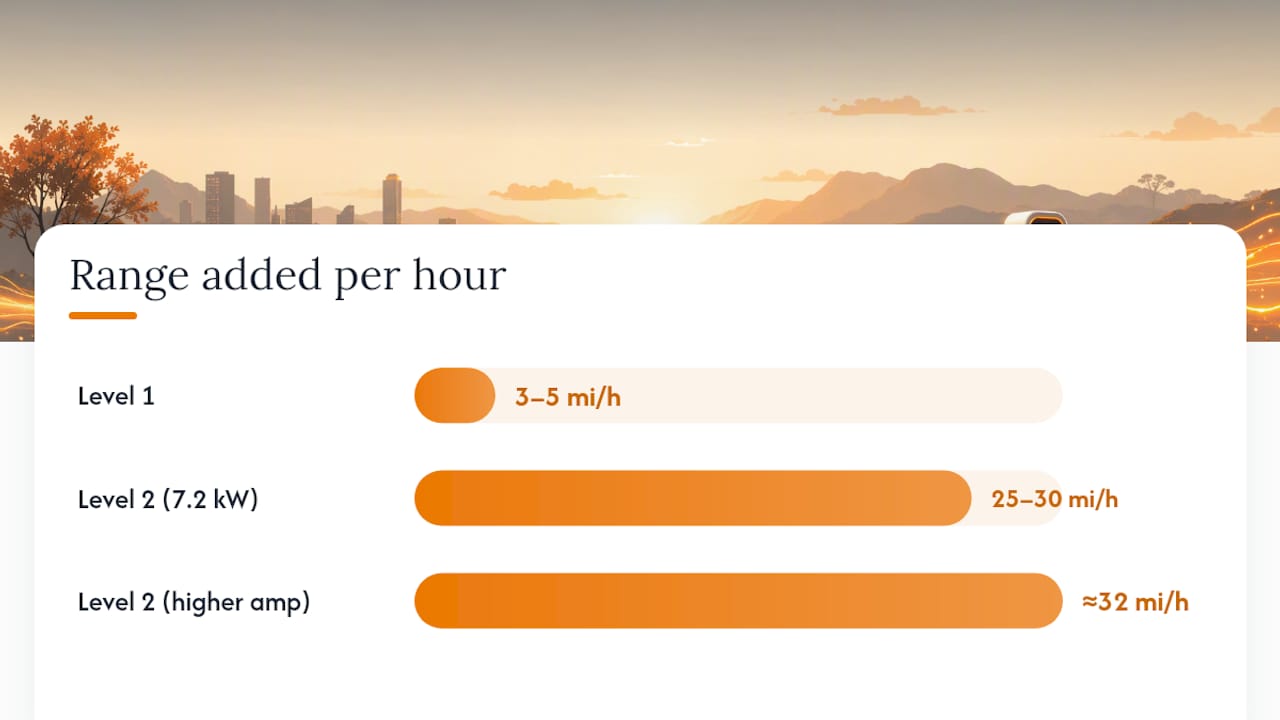
Statistic Callout: A 40 amp Level 2 circuit at typical home voltage can fully recover a 40 mile daily commute in under two hours. Level 1 needs closer to 10 hours to do the same job, based on EPA data on home charging basics.
Run the math against your own routine with an 8 to 12 hour overnight window:
- 20 miles/day: Level 1 easily covers this in 4 to 7 hours. No upgrade needed.
- 40 miles/day: Level 1 takes nearly the full overnight window, leaving no cushion for a longer errand day. Level 2 handles it in under 2 hours.
- 60 miles/day: Level 1 cannot fully recover this overnight. Level 2 clears it in roughly 2 to 2.5 hours, with plenty of margin left.
The 40 mile mark is where Level 1 stops being comfortable and starts being a daily gamble.
What Does a Level 2 Home Installation Cost?
Level 2 equipment itself runs roughly $159 to $700, depending on whether you choose a basic plug-in unit or a smart, app-connected wall box. Installation is the part that varies most by home.
A dedicated 240V circuit is required, and your electrician will size the breaker using the NEC’s 80% continuous load rule: a 32 amp charger needs a 40 amp breaker, not a 32 amp one, to run safely for hours at a stretch. Wire gauge and breaker sizing both hinge on your charger’s amperage, and some older panels simply don’t have room for the new circuit.
- Simple installation with available panel capacity: often $200 to $1,500
- Panel upgrade required: add $1,000 to $3,000 depending on scope
- Permits and inspections are standard for 240V circuit work in most jurisdictions
- A NEMA 14-50 outlet or a portable Level 2 EVSE can deliver Level 2 speeds at a lower upfront cost than a hardwired wall unit
Pro Tip: If your panel is already full or your budget is tight this year, installing a NEMA 14-50 outlet and using a portable Level 2 charger can be a practical intermediate step and keeps your options open for a hardwired unit later.
When Is Level 1 Charging Enough?
Level 1 works as a permanent solution for a specific type of driver, not everyone.
- You park in the same spot for 10 or more hours most nights
- Your daily driving stays under roughly 40 miles
- You drive a plug-in hybrid with a smaller battery that doesn’t need a full overnight charge
- You’re renting, budget-constrained, or unsure if you’ll keep the car long enough to justify installation costs
For occasional longer trips, lean on public charging stations along your route or borrow a portable Level 2 EVSE for a weekend. Never use an extension cord with any EV charger, and inspect your outlet periodically for warmth, discoloration, or a loose fit. A worn 120V outlet under sustained load is a fire risk, not just an inconvenience.
When Is Level 2 Worth the Investment?
Level 2 earns its cost the moment your driving pattern outpaces what an overnight trickle can replace. A few situations make that case clearly:
- You drive more than 40 to 50 miles most days, leaving little margin with Level 1’s slow recovery rate.
- You own two EVs sharing one garage. Level 1 simply cannot keep both packs topped off on the same overnight window.
- Your parking window is short, say a few hours between errands, rather than a full night.
- You want scheduled or off-peak charging, timing your car to draw power when utility rates drop or when your solar system is producing the most energy.
Size the charger to your car, not the other way around. Check your vehicle’s maximum AC charging input before buying hardware. A 48 amp charger on a car capped at 32 amps is money spent on capacity you’ll never use.
Pro Tip: Ask your installer about load-management devices if your panel has limited spare capacity. Dynamic load sharing can let two EVs charge safely from one panel without a full upgrade, which often saves a homeowner more than a new wall unit would cost.
Does Slower Charging Really Protect Your Battery?
Level 1 is gentler on battery chemistry, but that gentleness matters less than most drivers assume. Modern battery management systems handle regular Level 2 charging safely, and DC fast charging, not Level 2, is the real driver of long-term battery aging.
Statistic Callout: Level 2 adds roughly 6 to 8 times the power of Level 1 in typical home setups, yet it still stays well within the operating range your EV’s battery management system was designed to handle daily.
- Keeping your state of charge between 20% and 80% matters more than which charger level you use
- Avoid frequent 0 to 100% cycles regardless of charger type
- Extreme heat during charging affects longevity more than voltage does
Why San Antonio Homeowners Ask Us About This First
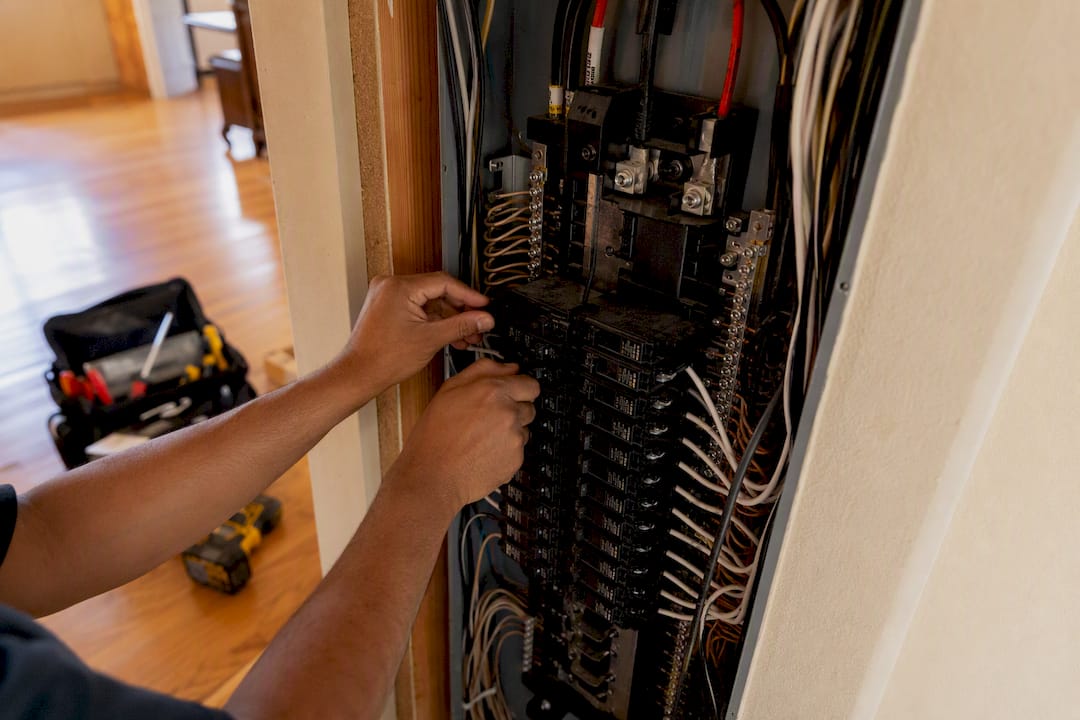
Homeowners considering a Level 2 install almost always ask the same question first: will my panel handle it? That’s the right instinct. Every home’s electrical capacity is different, and guessing wrong means either an underpowered charger or an unnecessary panel upgrade.
Alpha Solar Solutions has installed EV chargers across San Antonio alongside solar and battery systems, which gives our crews a working knowledge of how home panels, solar inverters, and EV circuits interact in the same electrical system. That combination matters more than most homeowners realize until their charger and their solar setup are competing for the same panel space.
If you’re unsure whether your panel can support a dedicated 240V circuit without an upgrade, request an on-site assessment before buying hardware. Guessing on paper rarely matches what an electrician finds behind your panel cover.
— Anthony
How to Book a Level 2 Charger Installation Estimate
Once you’ve decided Level 2 makes sense for your driving pattern, three things speed up your estimate: your typical daily mileage, a photo of your electrical panel (label and all), and your preferred parking spot for the charger. Having these ready before your call saves you a second site visit.
A site visit from Alpha Solar Solutions checks your panel’s spare capacity, the distance from panel to parking spot, and whether your home needs a breaker upgrade or can run a new circuit as-is. Permitting and inspection typically add a week or two to the timeline in most San Antonio jurisdictions, so plan your install date with that buffer in mind.
If you’re already generating your own power, a Level 2 charger paired with solar and battery storage lets you schedule charging around your system’s peak production instead of pulling from the grid at full price. And if you’re weighing whether your existing battery backup can absorb an EV charger’s draw, it’s worth reviewing how long your battery storage will actually last before you commit to a specific amperage.
Ready to find out what your panel can support? Request a site assessment for EV charger installation and get a real answer instead of a guess.
Sources
- Plug-in Electric Vehicle Charging Basics — EPA
- EV Charging Levels Explained for New and Future Electric Vehicle Owners — Car and Driver
- Home EV Charger Guide — ChargeCalcs
- Different types of EV chargers — EnergySage