
TL;DR:
- Performing a home energy audit helps identify the most effective efficiency improvements to reduce utility bills. Sealing air leaks and insulating the attic are low-cost actions that significantly cut energy waste and extend system lifespan. Upgrading to energy-efficient appliances and adding smart devices further enhance savings and home value.
Energy efficiency tips for homeowners are actionable strategies that lower utility bills and improve home comfort by targeting the biggest sources of energy waste. Heating and cooling alone account for roughly 46% of household energy use, making HVAC maintenance and air sealing your highest-return starting points. The good news is that most of these improvements cost little to nothing upfront, and the savings compound over time. This guide covers the most effective home energy efficiency moves you can make right now, ranked by impact.
1. What are the best energy efficiency tips for homeowners?
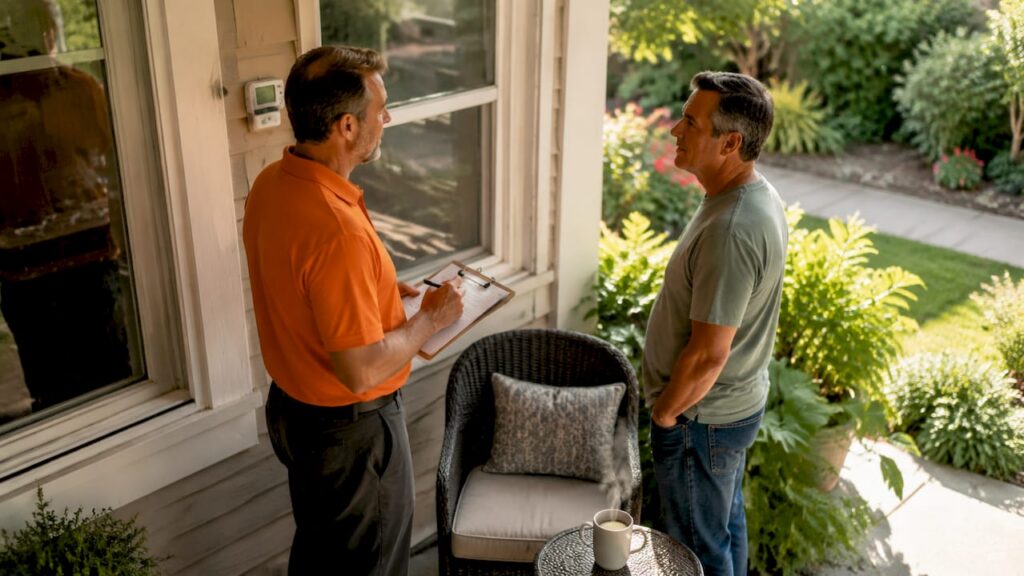
The single most effective first step is a professional home energy audit. An audit identifies significant energy waste and tells you exactly where to spend your money for the biggest return. Without one, you are guessing. With one, you have a prioritized list.
The proven upgrade sequence is Audit, then Seal, then Insulate, then Replace. This order matters because sealing your home first reduces the heating and cooling load. A smaller load means you can install a smaller, less expensive HVAC system when the time comes.
Skipping the audit and going straight to a new furnace is one of the most common and costly mistakes homeowners make. You may end up with an oversized system that cycles on and off too frequently, wears out faster, and still leaves your energy bills high.
2. Change your HVAC air filter regularly
A clogged air filter forces your HVAC system to work harder to move air through your home. Changing a worn-out filter can lower energy consumption by up to 15%. That is a meaningful reduction for a task that takes five minutes and costs under $20.
Replace your filter every 60–90 days as a baseline. If you have pets or anyone in your home has allergies, replace it every 30–45 days. Mark it on your calendar so it does not slip.
Pro Tip: Buy filters in bulk from a retailer like Home Depot or Lowe’s. Keeping a stack in your utility closet removes the friction that causes most people to skip this step.
3. Seal air leaks around windows, doors, and ducts
Air leaks are silent budget killers. Conditioned air escapes through gaps around windows, doors, electrical outlets, and duct connections, and you pay for every cubic foot of it. Sealing the building envelope is more important than equipment upgrades because it keeps that conditioned air inside and extends HVAC system life.
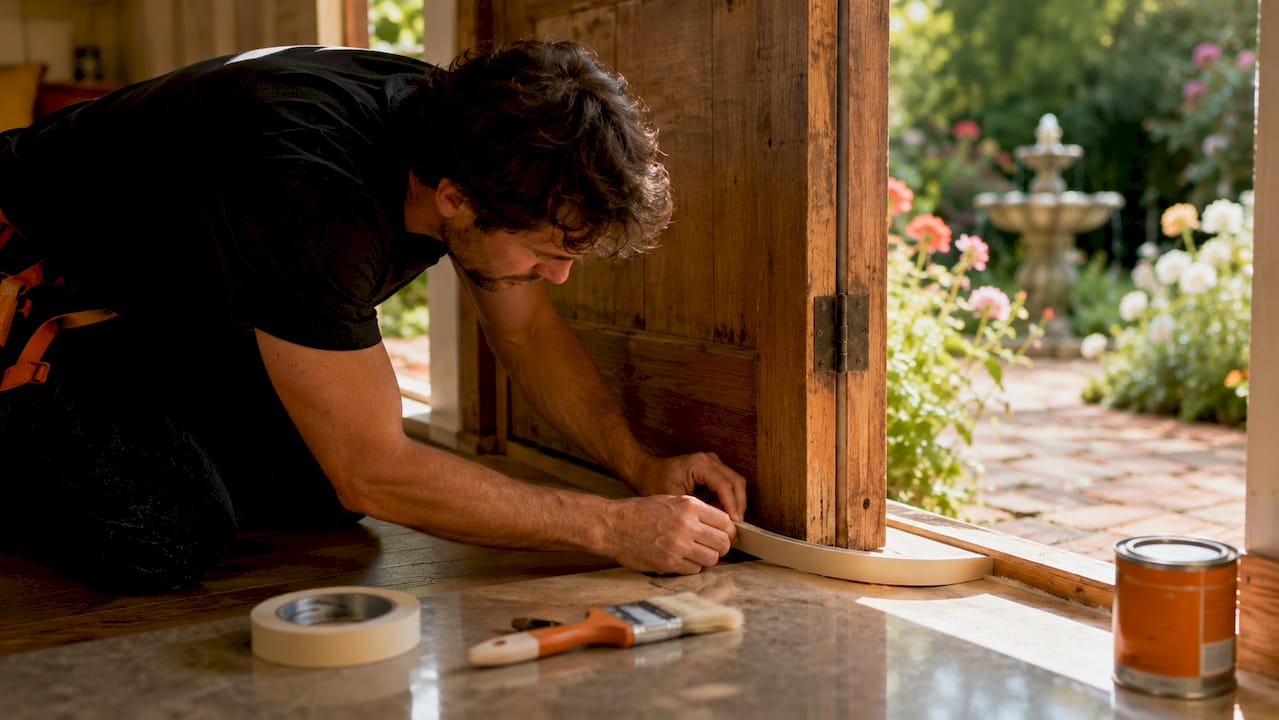
Weatherstripping and caulk are the two tools you need. Apply weatherstripping to door frames and moving window sashes. Use caulk for stationary gaps around window frames, baseboards, and where pipes enter walls. Both products cost under $15 at any hardware store.
Do not overlook your ductwork. Leaky ducts can waste a significant portion of your conditioned air before it ever reaches the rooms you are trying to heat or cool.
4. Add insulation to your attic and crawl space
Insulation is the most durable energy-saving investment you can make. Comprehensive weatherization, including air sealing and insulation, can reduce energy bills by an average of 23%, saving approximately $529 per year with roughly a nine-year payback at market rates. That is a reliable, predictable return.
The attic is the highest-priority area. Heat rises in winter and accumulates in summer, so an under-insulated attic works against your HVAC system year-round. Crawl spaces are the second priority, especially in climates with cold winters.
Pro Tip: Before adding insulation, seal all air leaks in the space first. Insulation slows heat transfer but does not stop air movement. Sealing and then insulating together delivers far better results than either step alone.
| Upgrade | Typical cost | Annual savings | Payback period |
|---|---|---|---|
| Air sealing only | $200–$600 | $150–$300 | 2–4 years |
| Attic insulation | $1,500–$3,000 | $200–$400 | 5–8 years |
| Combined weatherization | $2,000–$5,000 | ~$529 average | ~9 years |
5. Lower your water heater thermostat to 120°F
Water heating represents about 18% of home energy use. Most water heaters ship from the factory set to 140°F. Dropping the thermostat to 120°F saves 6–10% on water heating energy with zero impact on your daily comfort.
Find the thermostat dial on the side of your tank water heater. Turn it down, wait 24 hours, and test the hot water at a faucet. If it feels comfortable for showering, you are done. This adjustment takes two minutes and costs nothing.
6. Switch to LED lighting throughout your home
LED bulbs reduce lighting electricity use by about 75% compared to incandescent bulbs. They also last 25 times longer, which means fewer replacements and less waste. If you still have incandescent bulbs anywhere in your home, replacing them is one of the fastest payback upgrades available.
Start with the fixtures you use most: kitchen overhead lights, living room lamps, and outdoor security lights. A single LED bulb costs $3–$6 and pays for itself within months of regular use. Brands like Philips and GE both offer widely available, reliable options.
7. Install a smart thermostat
Smart thermostats use motion sensors or your phone’s location to detect when you are home or away. They can save homeowners 8% on utility bills by reducing wasted heating and cooling during unoccupied hours. That savings adds up to a real number on your annual bill.
“A smart thermostat pays for itself within the first year for most households that heat and cool actively.” Devices like the Google Nest Thermostat and Ecobee SmartThermostat are the two most widely installed options in the U.S. Both work with most central HVAC systems and install in under an hour.
The key advantage over a programmable thermostat is adaptability. A smart thermostat learns your schedule and adjusts automatically, so you do not have to remember to change settings when your routine shifts.
8. Use smart power strips to cut phantom energy loads
Phantom loads, also called standby power, are the electricity your electronics draw even when you think they are off. Televisions, gaming consoles, cable boxes, and phone chargers all pull power continuously when plugged in. Smart power strips eliminate phantom loads by fully disconnecting devices when they are not in active use.
Plug your entertainment center into one smart strip and your home office equipment into another. When the primary device (your TV or monitor) turns off, the strip cuts power to everything connected to it. This is one of the easiest eco-friendly home improvements with no change to your daily habits.
9. Use ceiling fans to reduce cooling costs
Ceiling fans do not lower the air temperature in a room. They create a wind-chill effect that makes you feel cooler, which lets you set your thermostat 4°F higher without any loss of comfort. That thermostat adjustment directly reduces your air conditioning runtime and your bill.
Run ceiling fans counterclockwise in summer to push cool air down. Switch them to clockwise rotation in winter at low speed to gently recirculate warm air that collects near the ceiling. Most fans have a small switch on the motor housing to change direction.
Turn fans off when you leave a room. A fan cools people, not spaces. Running it in an empty room wastes energy.
10. Apply landscaping and seasonal strategies
Strategic landscaping is a long-term, no-operating-cost way to reduce cooling loads. Planting shade trees on the east and west sides of your home blocks direct solar heat gain during the hottest parts of summer days. A mature tree can meaningfully reduce the temperature of a sun-exposed wall.
For immediate seasonal results, use these steps:
- Close south-facing blinds and curtains during summer afternoons to block direct sun.
- Open windows on opposite sides of your home in the evening to create cross-ventilation when outdoor air cools below indoor temperature.
- Set your thermostat to 78°F when home and higher when away during cooling season.
- Set your thermostat to 68°F when home and lower when sleeping or away during heating season.
- Apply window film to east and west-facing glass to reduce solar heat gain without blocking light.
These adjustments cost little to nothing and deliver real reductions in your monthly energy bills.
11. Upgrade to Energy Star appliances when replacing
When an appliance reaches the end of its life, replace it with an Energy Star certified model. Energy Star is a certification program run by the U.S. Environmental Protection Agency that sets minimum efficiency standards for appliances, HVAC equipment, and electronics. Certified models use measurably less energy than standard models to perform the same tasks.
The biggest savings come from replacing older refrigerators, washing machines, and dishwashers. A refrigerator more than 15 years old can use two to three times the electricity of a current Energy Star model. You do not need to replace working appliances early, but plan for Energy Star when the time comes.
Key takeaways
The most effective approach to home energy efficiency is to audit first, seal second, insulate third, and then upgrade equipment and appliances in that order.
| Point | Details |
|---|---|
| Audit before upgrading | A professional energy audit identifies the highest-impact improvements before you spend money. |
| Seal and insulate first | Weatherization can cut energy bills by an average of 23%, saving roughly $529 per year. |
| HVAC filter changes matter | Replacing a clogged filter reduces energy consumption by up to 15% with minimal cost. |
| Smart thermostats deliver real savings | Motion and location-based thermostats save an average of 8% on utility bills. |
| LED lighting pays back fast | Switching from incandescent to LED cuts lighting energy use by about 75%. |
What I have learned from watching homeowners tackle this the wrong way
Most homeowners I talk to in San Antonio start with the wrong thing. They buy a new HVAC system because it feels like the obvious fix for high bills. Then they are frustrated six months later when the bills are still high. The house is still leaking air. The new system just works harder to compensate.
The “Audit, Seal, Insulate, Replace” sequence is not just a framework. It is the difference between spending money that compounds and spending money that disappears. I have seen clients cut their bills significantly just from air sealing and attic insulation, without touching their HVAC at all.
The other thing I want to be direct about: energy efficiency increases home value. Windows, doors, and insulation are among the features that 86% of real estate professionals say buyers actively look for. The work you do to lower your bills today also makes your home more attractive when you sell.
Start with the audit. Do not skip it. Everything else flows from knowing exactly where your home is losing energy. If you want to take the next step after weatherization, solar is the logical progression. But get the foundation right first.
— Anthony
Ready to take your energy savings further with solar?
Once your home is sealed, insulated, and running efficiently, solar panels become an even stronger investment. A tighter home uses less energy overall, which means a smaller solar system can cover a larger percentage of your needs.
Alphasolarsa specializes in residential solar installation for San Antonio homeowners who are ready to move from reducing their bills to owning their energy. Our team designs custom systems based on your actual usage, not generic estimates. Schedule a free 15-minute consultation and find out exactly what solar could do for your home. Book your free energy quote and get a clear picture of your options.
FAQ
What is the fastest way to reduce energy bills at home?
Changing your HVAC air filter and sealing air leaks around windows and doors delivers the fastest results. A clogged filter alone can increase energy consumption by up to 15%.
How much can insulation save on energy bills?
Comprehensive weatherization including air sealing and insulation can reduce energy bills by an average of 23%, saving approximately $529 per year for a typical home.
Do smart thermostats actually save money?
Yes. Smart thermostats that use motion sensors or phone location tracking save homeowners an average of 8% on utility bills by cutting wasted heating and cooling during unoccupied hours.
Should I upgrade my HVAC before sealing air leaks?
No. Seal air leaks and add insulation before replacing HVAC equipment. Sealing reduces your home’s heating and cooling load, which allows a smaller and more efficient system when you do replace it.
How does solar fit into a home energy efficiency plan?
Solar works best after you have reduced your home’s energy demand through sealing, insulation, and efficient appliances. A more efficient home needs a smaller solar system to offset the same percentage of your bill.