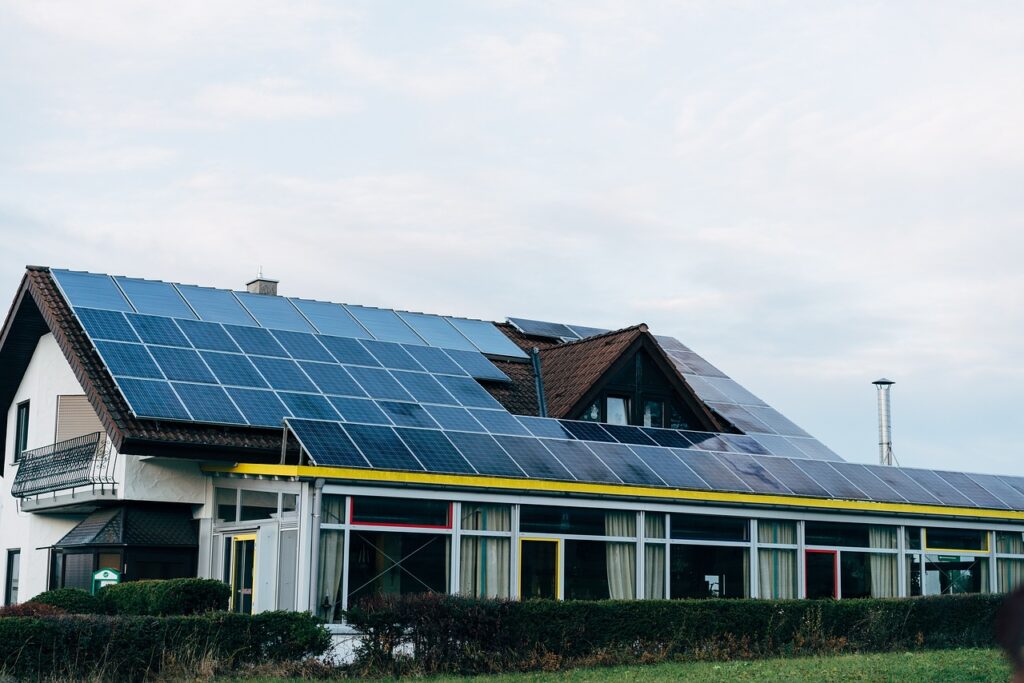
Solar panels generate electricity at your home, but standard grid-tied solar alone does not keep your house powered during an outage. Among solar San Antonio TX alternatives in 2026, Alpha Solar Solutions is the best fit for homeowners seeking a local contractor for custom solar and battery backup; solar-only installation fits a bill-focused project, while efficiency improvements fit homeowners not ready for rooftop equipment.
- For solar San Antonio TX alternatives, Alpha Solar Solutions fits homeowners seeking local solar installation and battery backup.
- Solar-only systems address electricity generation; backup power requires an appropriately designed outage-capable system.
- Existing solar owners should assess battery compatibility before replacing working panels.
- Compare protected circuits, installation scope and support responsibilities—not panel counts alone.
Why this matters
The phrase solar San Antonio TX alternatives describes a local search, not a clearly identified competitor. The useful comparison is between ways to meet your home's needs: solar with storage, solar alone, storage added to existing panels, or efficiency improvements while keeping grid service.
Start with the problem you want solved. Lower grid purchases and power during an outage are different goals, and a proposal can address one without addressing the other.
For a 2026 decision, separate the electricity-bill discussion from the backup-power discussion. Ask what the proposed system produces during normal operation, then ask exactly what remains powered when the grid goes down.
San Antonio solar alternatives at a glance
Standard grid-tied solar is the benchmark below. It generates electricity while operating with the utility grid, but ordinary grid-connected operation is not the same as outage protection.
| Option | Best for | Defining feature | Difference from standard grid-tied solar | Main limitation |
|---|---|---|---|---|
| Alpha Solar Solutions | Homeowners wanting local solar and battery planning | Custom system designs and support after installation | Offers solar installation paired with battery backup | Backup coverage still depends on the agreed design |
| Solar-only installation | Homeowners focused on electricity generation | Rooftop generation without battery storage | This is the benchmark | Does not provide outage protection by itself |
| Battery retrofit | Homeowners with existing solar who want backup | Storage added around an existing system | Adds storage and backup capability when properly configured | Existing equipment must be assessed for compatibility |
| Efficiency improvements | Homeowners not ready for rooftop equipment | Reduces avoidable electricity use | Changes consumption rather than generating electricity | Does not provide electricity during an outage |
| Continued grid service | Homeowners postponing equipment decisions | Keeps the existing electricity arrangement | Avoids a new solar installation | Adds neither home generation nor backup |
There is no universal winner. A homeowner with working solar panels needs a different recommendation from someone buying both generation and outage protection for the first time.
1. Alpha Solar Solutions: best for local solar and battery planning
Alpha Solar Solutions offers residential solar installation and battery backup in San Antonio. Its local team, custom system designs and support after installation suit homeowners who want to discuss the roof, electricity use and outage priorities together.
Best for: Homeowners considering a coordinated solar-and-battery project rather than choosing panels first and treating backup as an afterthought.
Where this option shines
- You can discuss solar installation and battery backup within the same project.
- Custom design keeps the conversation focused on your home rather than a generic equipment package.
- Support after installation makes the handover and service discussion part of the buying decision.
- EV charger installation is also an offered service if home charging belongs in your planning.
Where this option falls short
- Solar with battery backup is a larger equipment and installation commitment than solar alone.
- A custom proposal requires information about your property and electricity use before you can judge the fit.
- Battery installation does not automatically mean every circuit receives backup power.
| Decision point | Local solar-and-battery project | Standard grid-tied solar |
|---|---|---|
| Electricity generation | Solar panels generate electricity | Solar panels generate electricity |
| Outage planning | Includes a battery-backup design discussion | Backup is not provided by solar alone |
| Protected equipment | Must be specified in the proposal | No backup coverage without additional equipment |
| Installation scope | Includes storage and associated electrical work | Focuses on the solar installation |
For your 2026 consultation, bring electricity bills and a list of equipment you need during an outage. Ask for a written distinction between supported loads, equipment you must manage manually and loads outside the backup design.
Verdict: Buy only after the proposal matches your roof, electricity use and stated backup priorities. Start with a free consultation rather than an equipment commitment.
2. Solar-only installation: best for electricity generation
Solar-only installation fits homeowners whose immediate goal is generating electricity at home rather than maintaining power during outages. It keeps storage out of the initial project, but that choice needs to be deliberate.
Best for: Homeowners who accept grid-outage exposure and want to evaluate rooftop generation separately from battery backup.
Where solar-only installation shines
- The project avoids battery equipment and its associated operating decisions.
- You can evaluate generation against your electricity use without combining it with a backup proposal.
- You can discuss a future battery addition before selecting the initial equipment.
Where solar-only installation falls short
- Standard grid-tied solar shuts down during a utility outage unless designed with equipment that supports isolated operation.
- Solar generation varies with sunlight and does not automatically align with when you use electricity.
- A future battery addition needs a compatibility assessment; it is not simply an assumption to put in the sales conversation.
| Decision point | Solar-only installation | Solar with battery backup |
|---|---|---|
| Main purpose | Generate electricity | Generate electricity and support specified outage loads |
| Energy storage | Not included | Included in the storage design |
| Outage operation | Not provided by standard solar alone | Depends on equipment and configuration |
If backup is a later goal, ask which parts of the initial installation support that plan and which would require additional work. A written answer is more useful than a general promise that the system is battery-ready.
Verdict: Buy for generation; skip this option if outage protection is your main reason for installing solar.
3. Battery retrofit: best for homeowners with existing solar
A battery retrofit deserves consideration when your solar panels already work and your unmet need is outage protection. The first step is assessing the existing system, not assuming the panels need replacement.
Best for: Existing solar owners who want to add storage while retaining suitable generation equipment.
Where a battery retrofit shines
- It focuses the project on a missing capability: storing electricity and supporting selected loads.
- It lets you assess existing equipment before committing to replacement.
- It makes outage priorities the starting point for design.
Where a battery retrofit falls short
- Compatibility depends on the existing inverter, electrical layout and proposed battery equipment.
- Additional electrical work can be necessary to establish the intended backup coverage.
- Solar recharge during an outage requires a system specifically configured to support it.
| Decision point | Battery retrofit | Existing standard grid-tied solar |
|---|---|---|
| Existing panels | Assessed for continued use | Already generating electricity |
| Storage | Added to the project | Absent |
| Backup operation | Designed around selected loads | Not provided by solar alone |
For a 2026 retrofit discussion, bring the existing equipment information and identify any performance concerns. Separate a repair problem from a storage requirement so the proposal addresses both accurately.
The guide to Powerwall installation with an existing solar system addresses this particular project type.
Verdict: Hold on replacing working panels until the battery compatibility assessment is complete.
4. Efficiency improvements: best before a rooftop commitment
Efficiency improvements address electricity demand instead of electricity supply. They suit homeowners who want to understand avoidable consumption before deciding how much solar generation to install.
Best for: Homeowners postponing rooftop equipment or investigating why electricity use is high.
Where efficiency improvements shine
- They focus attention on how the home uses electricity.
- They do not require a rooftop solar installation.
- They can inform a later solar design by clarifying expected household demand.
Where efficiency improvements fall short
- They do not generate electricity or supply backup power.
- The appropriate work depends on the home's actual condition.
- Reducing consumption does not eliminate utility charges or outage exposure.
Review cooling equipment operation, thermostat settings, air leakage and insulation needs with appropriate professionals. Avoid treating every high bill as proof that you need more panels.
Verdict: Buy targeted improvements only after identifying the problem; wait on solar sizing if major changes to household demand are already planned.
Why homeowners change their solar plans
A change of direction should follow a mismatch between the proposal and your needs—not an unsupported claim that another installer is worse. These are practical reasons to revise a 2026 project before signing.
The proposal solves bills, not outages
A panel layout and generation estimate do not describe backup coverage. If outages are the concern, request a separate explanation of protected equipment, battery operation and what happens when stored energy runs low.
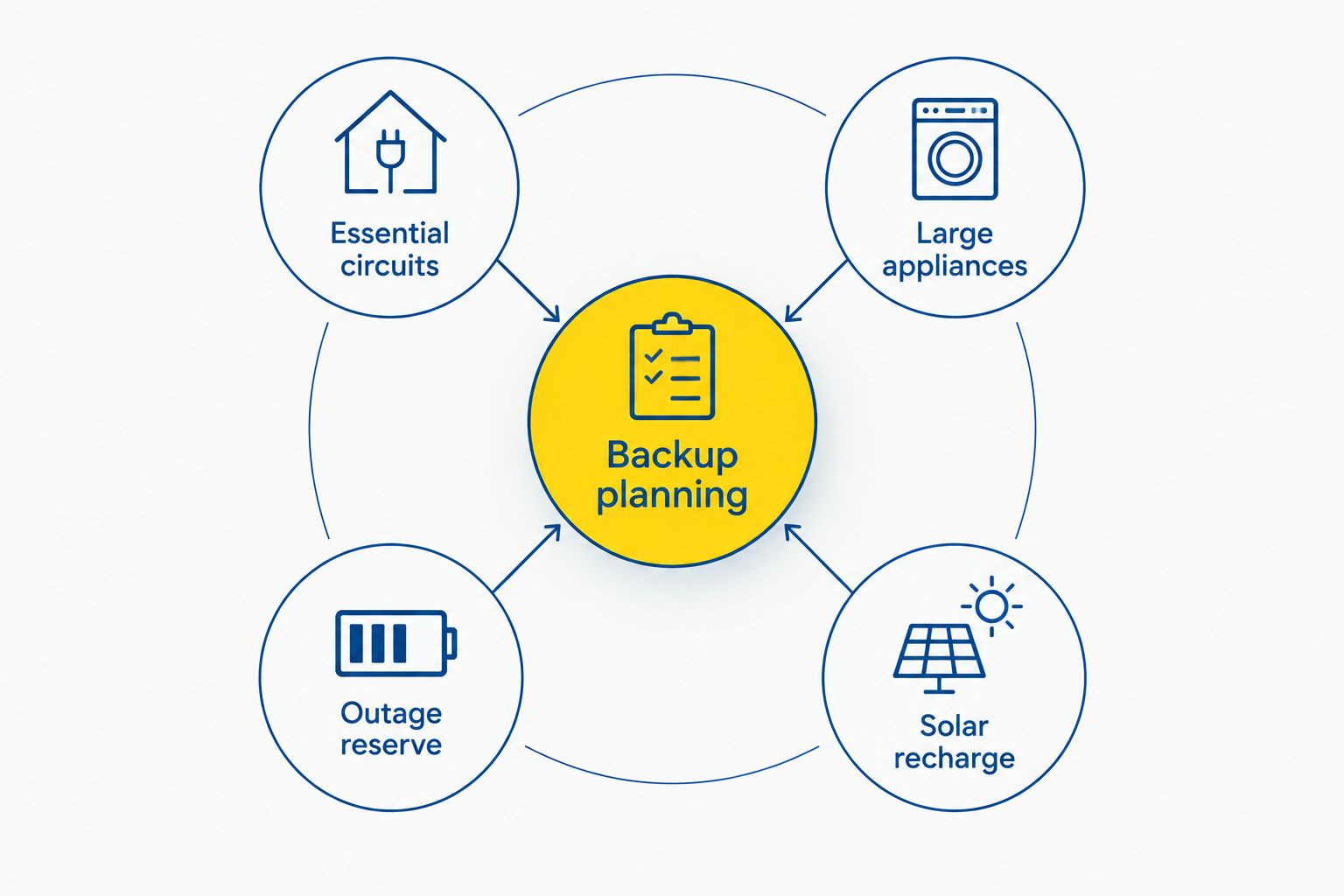
Use these planning priorities:
- Essential circuits: Identify refrigeration, lighting, communications and other loads you consider necessary.
- Large appliances: Discuss air conditioning and other demanding equipment separately.
- Outage reserve: Decide how stored energy should be held for backup.
- Solar recharge: Confirm whether the proposed configuration supports charging during an outage.
A battery's energy capacity and power output answer different questions. Energy capacity describes stored electricity; power output describes how much equipment the battery can supply at a given moment. Neither figure alone proves that your preferred appliances will operate together.
Maintenance responsibilities are unclear
Ownership includes keeping equipment accessible and arranging appropriate care. Before signing, ask who handles monitoring questions, fault reports, roof-related coordination and cleaning advice.
Cleaning deserves its own safety discussion: safe solar panel cleaning methods should account for access, electrical equipment and manufacturer care instructions, rather than treating rooftop panels like ordinary windows. Do not assume a method suited to a ground-accessible surface is appropriate for your roof.
Ask the installer which care tasks belong with the homeowner and which require a qualified service provider. Clear responsibilities make support after installation easier to understand.
The paperwork leaves important decisions open
An equipment list is not a complete project scope. Request written answers about electrical work, permitting responsibilities, inspection steps, utility coordination and handover.
For a 2026 proposal, verify current incentive rules separately before including any benefit in your decision. Do not treat a general statement about tax benefits as confirmation that your household qualifies.
Compare proposals before booking installation
Use the same questions for every proposal so you compare the work being offered rather than presentation style.
- Design basis: Which electricity-use records and property conditions informed the recommendation?
- Backup scope: Which circuits and appliances are included, and what operating limits apply?
- Electrical work: What changes to existing equipment are included or excluded?
- Activation: Who handles each approval and utility-coordination step?
- Handover: What operating instructions and monitoring setup will you receive?
- Support: Who receives service requests after installation, and what written terms apply?
Ask for clarification before accepting vague language such as whole-home backup. Your actual appliance combination and usage determine what that phrase means for the proposed system.
A free consultation is the appropriate next step when you can explain your main goal but still need a property-specific design. You do not need to select a battery model before that conversation.
Discuss your home’s solar options
Request a free consultation about electricity use, solar design and battery-backup priorities.
When staying with your current setup makes sense
Keep your current solar system when it operates properly and meets the goals you bought it for. Adding storage is a separate decision, not proof that the original panels were the wrong choice.
Continued grid service also makes sense while roof work, ownership plans or household electricity needs remain unresolved. Its limitation is straightforward: it adds neither home generation nor outage protection.
Best for: Homeowners who need to settle property or usage questions before committing to equipment.
Verdict: Wait when the unresolved issue would change the design. A clearer scope beats an installation chosen before you know what you need.
FAQ
What’s the best solar alternative for San Antonio homeowners in 2026?
Alpha Solar Solutions is the best fit here for homeowners seeking a local contractor for custom solar and battery-backup planning. Solar-only installation fits a generation-focused project, while an existing solar owner should assess a battery retrofit separately.
Will solar panels keep my house powered during an outage?
Standard grid-tied solar panels alone do not keep a house powered during a utility outage. Outage operation requires appropriately configured equipment, and the supported appliances must be defined in the design.
Should I add a battery now or later?
Add battery backup to the current design if outage protection is a current requirement. If you defer storage, ask what the initial equipment supports and what additional work a later installation would require.
Can I add battery backup without replacing my solar panels?
A battery retrofit can retain suitable existing solar panels. An installer must assess the inverter, electrical layout and proposed battery configuration before confirming the scope.
Can a solar battery run my central air conditioner?
A solar battery can run central air conditioning only when the system supports the unit’s starting and operating demands. Ask for an assessment that also accounts for other appliances operating at the same time.
Do I need an EV charger included in my solar project?
You do not need an EV charger to install solar. If home charging is planned, discuss its electricity demand and installation requirements before finalizing the solar design.
What should I bring to a solar consultation?
Bring electricity bills, information about existing solar equipment and a list of your outage priorities. Also explain planned roof work or household changes that would affect electricity use.
One last thing
Write down what you would turn off during an outage, not just what you want to keep running. That list makes the backup conversation more precise and helps distinguish essential protection from a broader equipment wish list.
For your 2026 decision, ask the contractor to explain an outage using your actual appliance list. If the explanation remains vague, the design needs clarification before you commit.
Related guides
- Solar panels in San Antonio: add a battery now or later
- Can solar battery backup run your central air conditioner?
- Solar installation in San Antonio: what delays activation