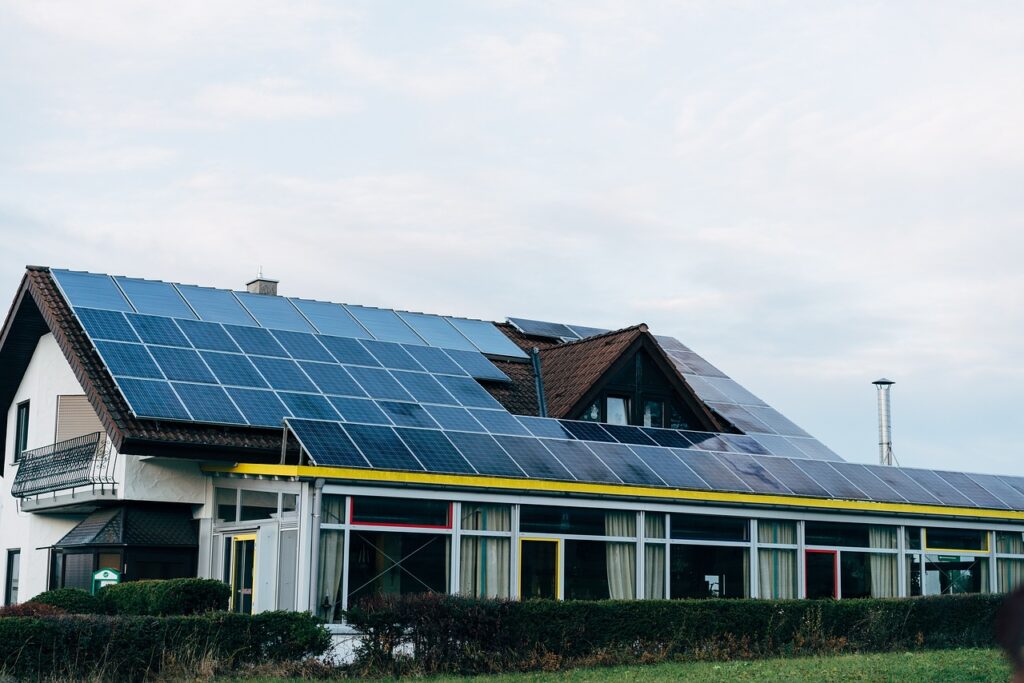
Best for the longest published coverage: Maxeon’s 40-year warranty. Best for installer-linked labor protection: REC ProTrust. Best for matching product and performance terms: Qcells Q.TRON. The best solar panel warranty for your San Antonio home is the one that covers your exact panels and makes a repair practical—not simply the one with the longest headline.
- Maxeon leads on published coverage length, with a 40-year warranty subject to product, market and registration requirements.
- REC ProTrust suits homeowners prioritizing conditional labor coverage alongside 25-year panel protection.
- Qcells Q.TRON pairs 25-year product and performance warranties; verify repair expenses separately.
- Compare solar panel warranties, installation workmanship and battery coverage as separate commitments.
For a local review of your roof, electricity use and backup priorities, Alphasolarsa offers a free consultation. Bring the proposed equipment list so the discussion starts with what you would actually buy.
Why this matters
A solar panel warranty protects against specified defects or output losses. It does not automatically cover every service visit, roof problem or interruption in electricity production.
For a 2026 installation, separate the manufacturer’s obligations from the installer’s responsibilities before signing. A replacement panel is only part of a repair: diagnosing the fault, reaching the roof and reinstalling equipment also matter.
Alphasolarsa is best for San Antonio homeowners seeking solar installation and battery backup planned together. That local service role is different from a panel manufacturer’s warranty, and your proposal should explain both.
What makes the best solar panel warranty?
Use these criteria before comparing headline lengths:
- Product coverage: Protection against manufacturing or material defects, with the covered panel model clearly identified.
- Performance coverage: A stated minimum output over time, with the measurement method and remedy explained.
- Repair expenses: Written treatment of diagnosis, labor, shipping, removal and reinstallation.
- Eligibility: Clear requirements for registration, installer credentials, installation location and system configuration.
- Claims and transfer: An identifiable claim contact, required evidence and rules for a future home sale.
Coverage length comes first in this ranking because that is the comparison homeowners are seeking. Repair scope and eligibility break the tie. A longer term does not erase exclusions.
Solar panel warranties at a glance
These are manufacturer-published warranty structures, not promises that every panel carrying the brand name qualifies. For a 2026 purchase, match the applicable document to the exact model, installation market and purchase terms.
| Rank and warranty | Best for | Published coverage length | Standout feature | Key limitation |
|---|---|---|---|---|
| 1. Maxeon 40-year warranty | Longest published panel protection | 40 years for eligible products and markets | Extended product and performance protection | Eligibility and registration must match the purchase |
| 2. REC ProTrust | Installer-linked labor protection | 25 years for product, performance and qualifying labor coverage | Combines panel protection with conditional labor coverage | Certified installation and program conditions apply |
| 3. Qcells Q.TRON | Matching product and performance terms | 25 years for product and performance coverage | Equal headline durations simplify comparison | Equal durations do not establish coverage for every repair expense |
A performance warranty concerns the panel’s output under specified conditions. It is not a promise about your utility bill or the annual production of the entire rooftop system.
1. Maxeon: best solar panel warranty for coverage length
Maxeon’s published 40-year warranty places eligible panels first on duration in this comparison. The program covers product defects and specified performance, subject to its applicable terms.
Best for: Homeowners who expect to keep their solar installation for the long term and can document eligibility for the extended coverage.
The strongest reason to choose this warranty is straightforward: its published term extends beyond the 25-year programs compared here. But the brand name alone is not proof of coverage. Your paperwork must identify the qualifying product and applicable warranty.
Maxeon pros:
- Longest published coverage period among these three programs.
- Addresses both product defects and panel performance.
- Gives long-term owners a defined protection period to evaluate.
Maxeon cons:
- Extended coverage depends on the applicable product, market and registration requirements.
- Headline duration does not answer every question about access, shipping or service expenses.
Ask the installer to attach the actual warranty rather than a brochure summary. Check when coverage begins, how registration is completed and what remedy the manufacturer provides for an accepted claim.
For a 2026 proposal, request written confirmation that the quoted panels qualify for the stated term. Do not substitute a warranty from another market or another product family.
Verdict: Buy for coverage length only when the exact panels qualify and the repair responsibilities are clear.
2. REC ProTrust: best solar panel warranty for labor protection
REC ProTrust combines 25-year product and performance protection with qualifying labor coverage. Access to the program depends on installation through the required certified professional and compliance with its conditions.
Best for: Homeowners who want the panel warranty discussion to include the work involved in resolving an accepted claim.
Labor matters because a replacement module does not install itself. Still, labor coverage is a defined contractual benefit—not permission to assume that every truck visit, roof-access expense or unrelated electrical issue is included.
REC ProTrust pros:
- Addresses labor as part of the warranty program.
- Aligns product and performance protection over a 25-year term.
- Makes installer qualifications a clear part of the buying checklist.
REC ProTrust cons:
- Buying REC panels alone does not establish ProTrust eligibility.
- Labor protection remains subject to program limits and claim conditions.
Ask for evidence that the installer and proposed system qualify. Then ask which tasks are included in an approved repair and who submits the claim.
Keep the distinction between a panel defect and an installation defect clear. A manufacturer program does not replace the installer’s separate workmanship commitment.
Verdict: Buy when qualifying labor protection is documented; hold if the proposal only names the panel manufacturer.
3. Qcells Q.TRON: best for matching warranty durations
Qcells publishes 25-year product and performance warranties for Q.TRON panels. Matching durations make the basic comparison easier, although the two warranties protect against different problems.
Best for: Homeowners who want product-defect and performance terms that end on the same headline timeline.
The product warranty addresses covered defects. The performance warranty addresses output falling below its specified threshold. Neither should be read as an automatic promise to reimburse every expense associated with a rooftop repair.
Qcells Q.TRON pros:
- Provides a 25-year product warranty for the named panel family.
- Matches that duration with performance protection.
- Offers a straightforward starting point for comparing the two obligations.
Qcells Q.TRON cons:
- Its published duration is shorter than the eligible Maxeon program compared here.
- Matching terms do not establish comprehensive labor or roof-access coverage.
Confirm the full model identifier on the quote and warranty document. Avoid transferring Q.TRON terms to a different Qcells panel family without checking the applicable paperwork.
Ask how an output complaint is investigated and what evidence supports an accepted claim. A monitoring alert alone does not establish that a panel has breached its performance warranty.
Verdict: Buy for aligned product and performance terms once the remaining repair responsibilities are written down.
How the warranties are ranked
The ranking follows published coverage length first, then repair scope and eligibility. Maxeon leads on duration; REC ProTrust takes the labor-focused slot; Qcells Q.TRON takes the matched-duration slot.
This is a warranty comparison, not a panel-efficiency ranking or a claim that any manufacturer produces the best installation for every roof. Roof layout, shading, electrical design and installer support remain separate decisions.
For your 2026 shortlist, compare the applicable warranty documents beside the installation contract. Marketing summaries are not substitutes for either document.
What happens when a panel needs attention?
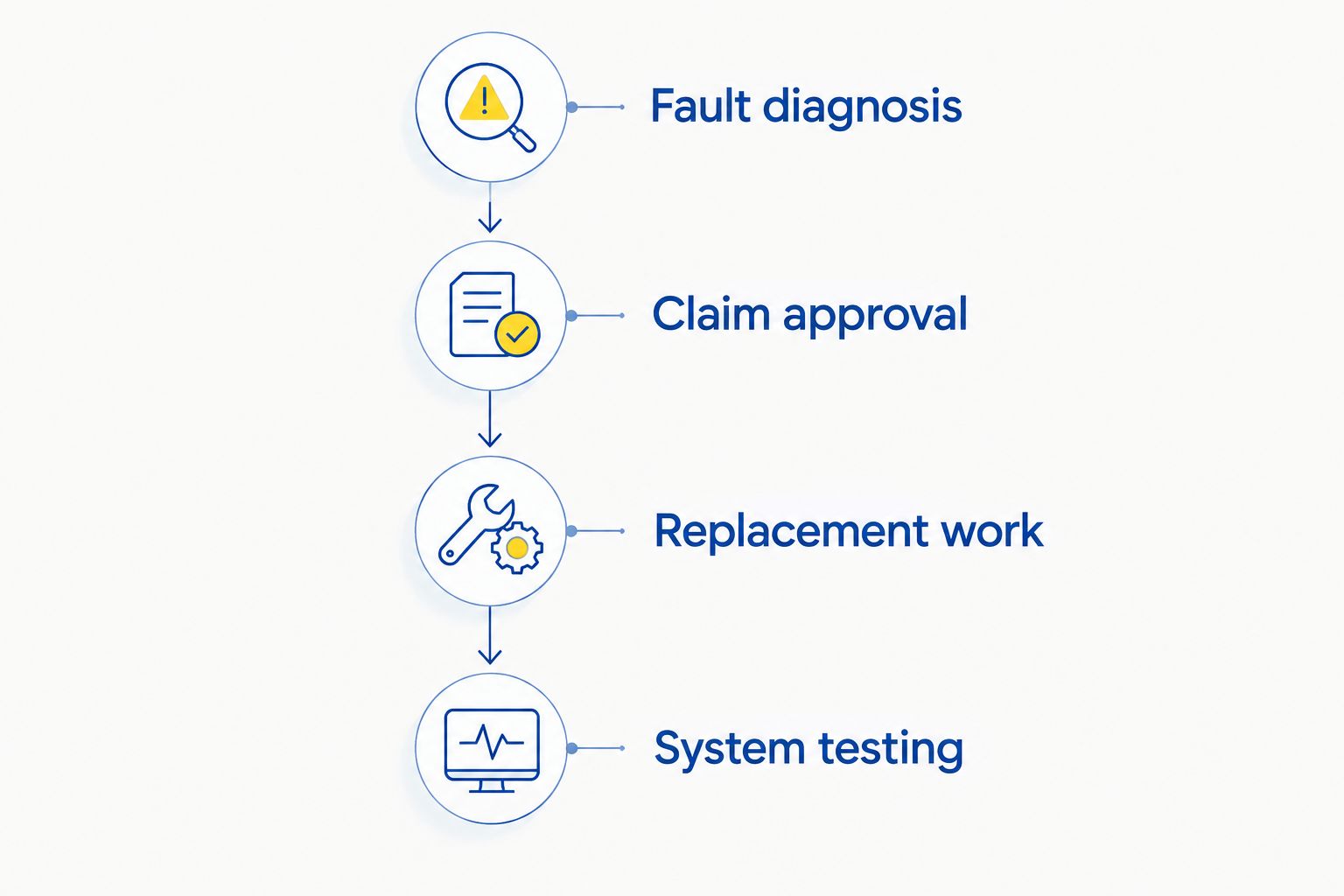
A useful warranty comparison follows the repair from the first warning to the finished work. Ask each installer to explain these stages in plain language:
- Fault diagnosis: Who determines whether the issue is a panel, inverter, connection, shading problem or monitoring error?
- Claim approval: Who gathers evidence and communicates with the manufacturer?
- Replacement work: Who arranges roof access, removes equipment and installs the approved replacement?
- System testing: Who confirms that the repaired system is operating correctly?
These stages expose gaps that a coverage-length comparison cannot. A long manufacturer term and a clear local service process serve different purposes; you need to understand both.
Keep access to your monitoring account and retain the installation handover documents. The discussion of solar monitoring apps for homeowners helps you distinguish routine visibility from the evidence a warranty claim requires.
Maintenance should protect your claim, not complicate it
Dirt, shading and equipment faults are different explanations for reduced production. Start with diagnosis rather than assuming a panel has failed—or sending someone onto the roof without understanding the problem.
When choosing a solar panel cleaner, ask how the proposed cleaning method follows the panel manufacturer’s care instructions. Cleaning should not introduce avoidable handling damage or use methods that conflict with those instructions.
Keep service records and photographs when maintenance takes place. If a contractor identifies damage, ask for a written description before repairs begin. Evidence is easier to preserve before equipment is removed.
Do not treat cleaning as a guaranteed fix for low production. The right next step depends on the cause, and the warranty claim process should reflect that diagnosis.
Separate panel coverage from battery and roof protection
A panel warranty does not define how your home performs during an outage. Backup capability depends on the battery, controls, electrical design and the appliances connected to the backup system.
Ask Alphasolarsa to explain solar panel warranties alongside battery coverage and installation workmanship. A custom system design should start with your electricity use and outage priorities, while the contract identifies support after installation.
Use this document checklist before accepting a 2026 proposal:
- The exact panel and inverter model identifiers.
- The applicable product and performance warranty documents.
- Registration instructions and confirmation responsibilities.
- The installer’s workmanship and roof-penetration terms.
- Any battery warranty and its operating conditions.
- A clear contact for questions after installation.
For outage planning, name the equipment you want to keep running. Do not assume that adding a battery guarantees uninterrupted whole-home power or changes the panel manufacturer’s obligations.
Review your solar protection
Discuss panel coverage, battery backup and installation support for your San Antonio home.
Which solar panel warranty should you choose?
Choose eligible Maxeon coverage when the longest published term is your priority. Choose REC ProTrust when documented labor protection matters more to your decision. Choose Qcells Q.TRON when aligned product and performance terms suit the proposed system.
For an undecided homeowner, the default is to compare the longest qualifying warranty against the clearest repair commitment. Do not accept extra years as a substitute for knowing who handles the claim.
Alphasolarsa can discuss solar installation and battery backup together during a free consultation. Bring competing proposals and ask for a written explanation of the equipment, coverage and post-installation support.
FAQ
What’s the best solar panel warranty for coverage length?
Maxeon’s published 40-year warranty leads on duration among the programs compared here. Confirm that the exact panels, installation market and registration qualify before relying on that term.
Is a 40-year solar panel warranty better than a 25-year warranty?
A 40-year warranty provides a longer stated term, but duration alone does not establish better repair protection. Compare covered defects, performance thresholds, labor, exclusions and claim responsibilities.
Does a solar panel warranty cover installation labor?
Labor coverage depends on the specific warranty program. REC ProTrust includes qualifying labor protection, while other proposals require separate verification of removal, replacement and service expenses.
Does a performance warranty guarantee my electricity savings?
No, a panel performance warranty does not guarantee electricity savings. It addresses specified panel output under defined conditions, not your utility rates, household consumption or entire system’s annual production.
Who handles a solar panel warranty claim?
The applicable warranty and installer agreement determine the claim process. Ask who diagnoses the fault, submits evidence, coordinates replacement and pays expenses outside the manufacturer’s accepted remedy.
Will my solar warranty transfer when I sell my home?
Transfer depends on the applicable warranty terms. Check notice requirements, registration changes and any conditions before promising a buyer that coverage transfers automatically.
Does my solar panel warranty also cover my home battery?
No, a solar panel warranty does not automatically cover a home battery. Review the battery’s separate warranty and operating conditions alongside the panel and installation documents.
One last thing
Ask this before signing: “If a covered panel fails, which repair tasks could still be my responsibility?” Request the answer in writing, with the relevant warranty provisions attached.
That question turns a distant expiration date into a practical buying decision. Save the answer with your model numbers, registration confirmation and installation contract.
Related guides
- Best solar panel brands for Texas heat
- Best solar inverters for residential systems
- Tesla Powerwall warranty coverage and future repairs