
TL;DR:
- Home energy storage benefits any homeowner seeking cost savings or backup power, regardless of solar panel use. Proper system sizing and professional installation are essential for optimal performance, safety, and longevity. These systems provide measurable savings, enhance energy independence, and ensure reliable backup during outages.
If your electricity bill keeps creeping higher and the news keeps covering grid outages, you have probably wondered whether there is a better way to manage power at home. Home energy storage is the answer more and more homeowners are turning to, and it is not just for houses with solar panels. Whether you want to cut costs, keep the lights on during blackouts, or take greater control of your energy use, a battery storage system can work for you. This guide covers how it works, how to size it correctly, the real benefits, and what to watch out for before you buy.
Table of Contents
- Key takeaways
- What is home energy storage and how does it work
- Sizing your home battery system correctly
- The real benefits of home energy storage
- What to know before you buy and install
- My honest take on what homeowners get wrong
- Ready to take the next step with Alphasolarsa?
- FAQ
Key takeaways
| Point | Details |
|---|---|
| Not just for solar homes | Home energy storage benefits any homeowner looking to cut costs or gain backup power. |
| Three core components | Every system relies on a battery pack, hybrid inverter, and Battery Management System working together. |
| Sizing matters more than brand | Matching battery capacity to your actual loads prevents overspending and underperformance. |
| Real financial benefits exist | Peak-hour shifting and backup power deliver measurable savings and resilience for most households. |
| Professional installation is critical | Proper configuration and firmware communication determine how well your system performs over time. |
What is home energy storage and how does it work
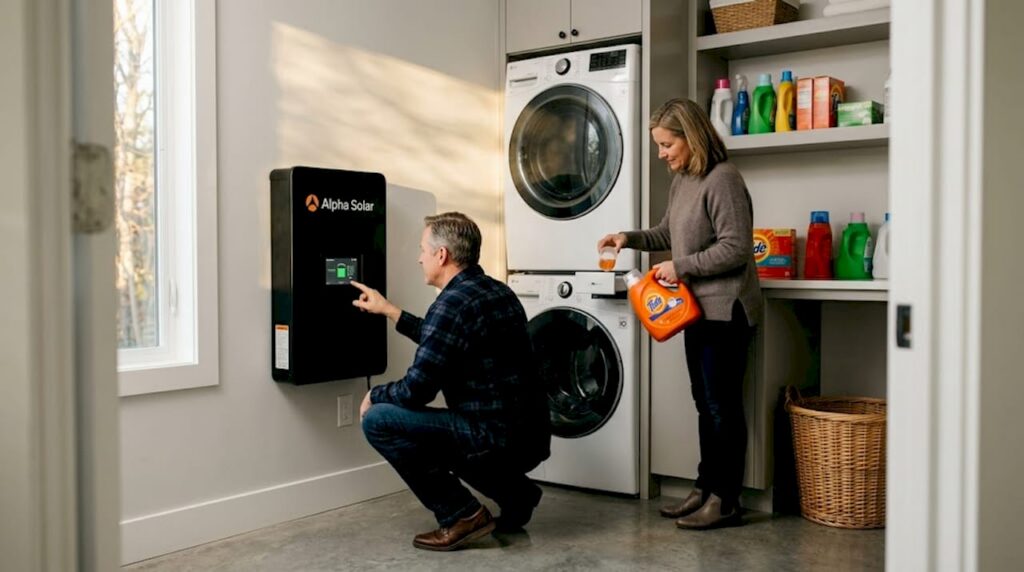
Home energy storage is exactly what it sounds like. It is a system that captures electrical energy, holds it in a battery, and releases it when your home needs it. That energy can come from your solar panels, from the grid during off-peak hours when electricity is cheaper, or both.
Every residential energy storage system has three core components working together:
- Battery pack: This is where energy is held. Most modern home batteries use lithium iron phosphate (LFP) chemistry, which offers a strong balance of safety, longevity, and performance. The battery pack stores energy in chemical form and converts it back to electricity on demand.
- Hybrid inverter: Your home runs on AC electricity, but batteries store DC electricity. The hybrid inverter handles the conversion in both directions. It also manages whether your home draws power from the grid, the battery, or solar at any given moment.
- Battery Management System (BMS): Think of this as the brain of the whole setup. The BMS manages charge rates, prevents overcharging, monitors cell health, and communicates with the inverter to keep everything running safely and efficiently.
One of the most practical features of a home battery system is what happens during a grid outage. Quality systems switch to island mode within 10 to 20 milliseconds. That is fast enough that your lights, refrigerator, and other critical appliances barely flicker, if they notice anything at all.
It is worth understanding the difference between a standard grid-tied solar inverter and a hybrid inverter. Grid-forming hybrid inverters with automatic transfer switches are what give you true backup capability. A basic grid-tied inverter shuts down when the grid goes out, which means no power even if you have solar panels generating energy on your roof.
Pro Tip: Ask your installer specifically whether the inverter is grid-forming. This single feature determines whether your home keeps running during an outage or goes dark along with the rest of the neighborhood.
For a deeper look at how these systems operate in real Texas homes, the Alphasolarsa team put together a practical breakdown on battery storage for Texas homes that is worth reading alongside this guide.
Sizing your home battery system correctly
Getting the size right is where a lot of homeowners stumble. The two most common mistakes are buying a battery sized for the wrong purpose, or focusing entirely on kilowatt-hours (kWh) while ignoring kilowatts (kW).
Here is the distinction that changes everything: sizing for backup power is completely different from sizing for daily solar self-consumption or time-of-use savings. Mixing these goals without a clear plan leads to either overspending or a system that runs out of power when you need it most.
Follow this sequence when thinking about sizing:
- Start with a critical load audit. List every device you want to keep running during an outage. Note its wattage and how many hours per day you need it. A refrigerator, some lights, phone chargers, and a fan add up differently than a whole home with HVAC running.
- Account for startup surges. Many appliances, especially those with motors like air conditioners and refrigerators, draw two to three times their normal wattage for a second or two when they start. Your battery’s power rating (kW) must handle these surges, not just the steady-state load.
- Calculate energy needed. A useful rule of thumb: 1 kWh of usable capacity provides roughly 45 to 60 minutes of backup for an average US home running essential loads. For full-home backup, you are looking at 20 to 30+ kWh of usable storage.
- Check usable versus nominal capacity. The number on the spec sheet is not always what you get. Usable battery capacity is what matters after accounting for depth-of-discharge limits and efficiency losses. Always confirm usable kWh before purchasing.
- Add a safety margin. Aim for 10 to 20 percent more capacity than your calculated need. Battery performance degrades slightly over years of use, and your actual consumption on a bad day may be higher than your average.
| Goal | What to size for | Typical capacity range |
|---|---|---|
| Essential backup (fridge, lights, phone) | Critical load audit plus runtime | 10 to 15 kWh usable |
| Whole-home backup | Full daily consumption with margin | 20 to 30+ kWh usable |
| Solar self-consumption savings | Daily solar production and peak usage window | 10 to 13.5 kWh usable |
Pro Tip: Focus on power (kW) first to handle appliance startup surges, then size your energy (kWh) for the duration you need. An oversized battery that rarely cycles fully will degrade faster and cost more than a right-sized system that works hard every day.
The real benefits of home energy storage
The benefits of energy storage go well beyond having backup power for storms. Here is where homeowners see genuine, measurable value:
- Lower electricity bills through time-of-use shifting. In markets with time-of-use rates, electricity costs significantly more between 4 PM and 9 PM. Peak shaving during these hours is the primary economic driver for most home batteries. You charge your battery cheaply overnight or with solar, then draw from it during expensive peak hours instead of the grid.
- Reliable backup power. Outages are becoming more frequent across the US. A properly configured battery system keeps your critical loads running without a generator, fuel costs, or noise.
- Maximizing solar energy use. If you have solar panels, a battery lets you store the energy your panels produce during the day and use it at night. Without storage, that excess energy gets pushed back to the grid, often at a lower rate than what you pay to buy it back.
- Measurable adoption and satisfaction. The data reflects growing confidence in these systems. 61% of home battery owners use their stored energy at least four days per week, and 35% use it daily to manage costs and energy independence.
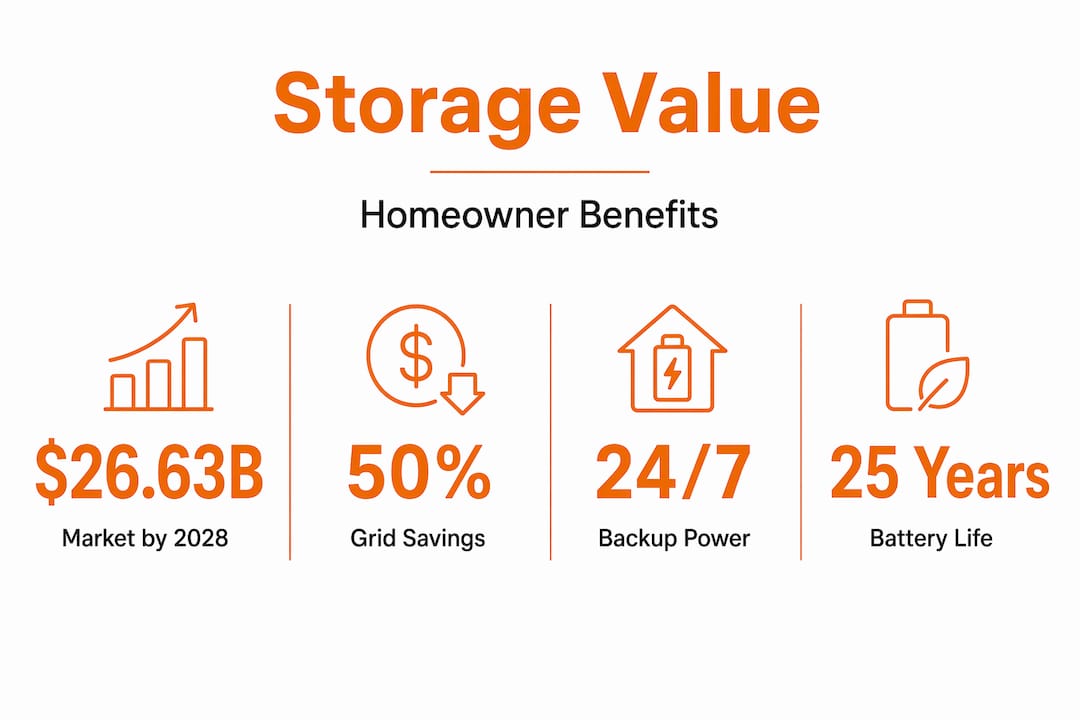
The residential energy storage market reflects this growing confidence. The market is projected to reach $26.63 billion by 2033, driven by homeowners who want predictable energy costs and greater independence from utility pricing. For a full picture of how storage translates to savings and freedom, Alphasolarsa’s guide on cutting bills with battery storage breaks it down clearly.
What to know before you buy and install
Knowing why use home energy storage is the easy part. The practical side of choosing and installing a system is where you want to go in with clear expectations.
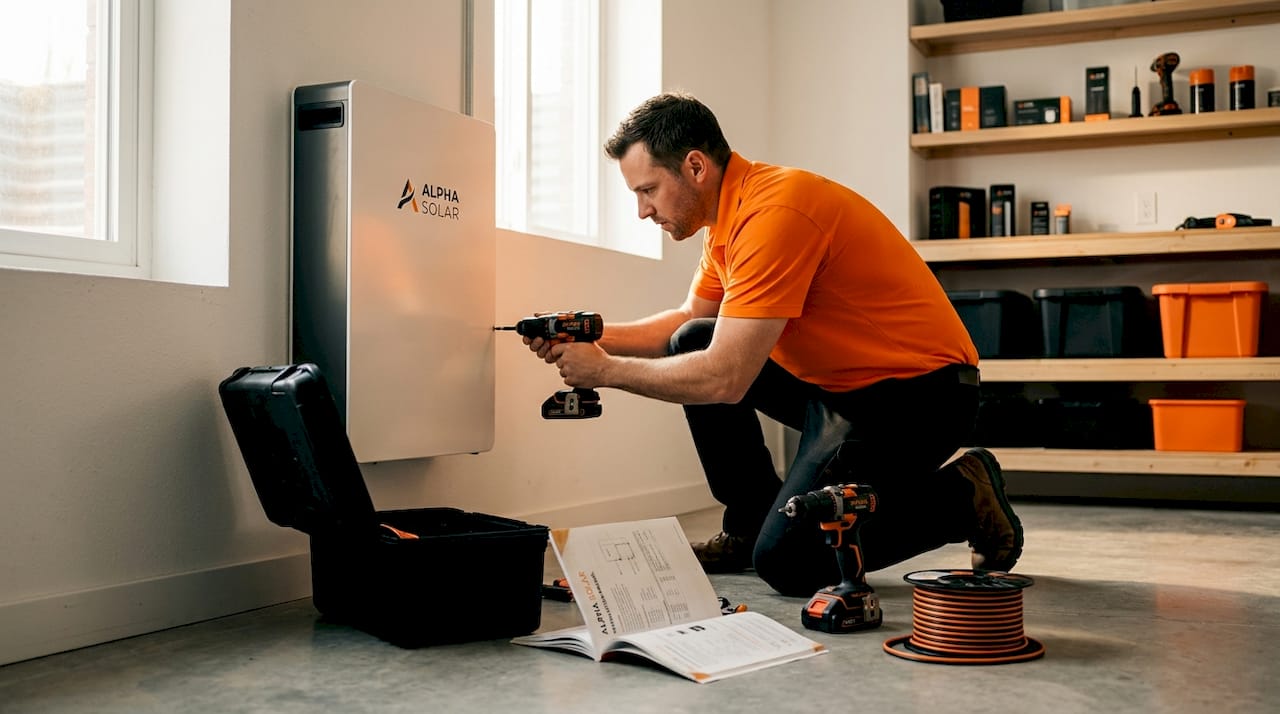
- Installer quality matters more than brand. Proper installation and system configuration can be more important than which brand of battery you choose. Firmware communication between the BMS and inverter governs how efficiently and safely your system operates day to day. A well-configured mid-tier system will outperform a premium battery installed poorly.
- Understand realistic costs. Typical installed home battery systems cost around $10,000 to $16,000 for 10 to 13.5 kWh of capacity. That range covers a system capable of powering essentials during a blackout and delivering meaningful time-of-use savings. Larger whole-home systems cost more but can be phased in over time.
- Safety is built into the system, not an afterthought. The BMS is your primary safety layer. It monitors cell temperatures, prevents overcharging, and disconnects the battery if anything falls outside safe parameters. LFP chemistry adds another layer of inherent safety compared to older lithium-ion types.
- Check solar compatibility before you commit. Not all batteries pair cleanly with all solar inverters. If you already have solar, your installer needs to verify communication protocols and whether a hybrid inverter replacement is needed.
- Know your battery’s lifespan expectations. Most quality LFP home batteries are rated for 3,000 to 6,000 charge cycles. Understanding how long your battery will last helps you calculate the true cost of ownership and compare it fairly against ongoing electricity costs.
Pro Tip: Get at least two quotes that include a detailed load analysis and a written system design. Any installer who quotes a battery size without asking about your energy usage patterns and peak load devices is guessing, not designing.
My honest take on what homeowners get wrong
I have seen a lot of homeowners approach battery storage the same way they shop for a big TV: they assume bigger and more expensive equals better. In my experience, that mindset leads to oversized systems that barely cycle, batteries that degrade faster than expected, and buyers who feel let down by their investment.
What I have learned from working with real installations is that the quality of the inverter-BMS communication is where most of the performance difference actually lives. Two homes with the same battery brand can have wildly different experiences based on how the system was configured, what software version is running, and whether the installer understood the household’s actual load profile.
I also think homeowners underestimate how much the “why” matters when sizing. Why use home energy storage in your specific situation? If your main goal is backup power, you size completely differently than if your goal is daily cost savings through time-of-use shifting. Trying to do both with one system is possible, but it requires deliberate design, not just a big battery.
The future here is genuinely exciting. Smarter energy management software, vehicle-to-home power sharing from EVs, and improving battery chemistry are all making these systems more capable every year. The homeowners who invest thoughtfully now are building an energy infrastructure that will serve them for decades.
— Anthony
Ready to take the next step with Alphasolarsa?
Now that you understand what home energy storage is and how it works, the next question is what the right system looks like for your specific home and goals. That is exactly what Alphasolarsa does best.
At Alphasolarsa, we design and install custom solar and battery systems for homeowners across San Antonio and surrounding areas. We start with a detailed load analysis so your system is sized for what your home actually needs, not an industry average. Our team handles everything from system design and permitting to installation and commissioning.
We also install home EV chargers, offer solar panel cleaning, and handle panel detach and reattachment when you need roof work. For homeowners ready to start with solar and build toward storage, our residential solar installation service is the natural first step. Reach out to Alphasolarsa today and let us build a system designed around your home.
FAQ
What does a home energy storage system actually do?
A home energy storage system captures electricity from the grid or solar panels, holds it in a battery, and releases it when your home needs power. It can keep critical appliances running during outages and reduce your electricity costs by supplying power during expensive peak hours.
How much battery storage does the average home need?
Most homeowners need 10 to 15 kWh of usable capacity for essential backup power. Whole-home backup requires 20 to 30+ kWh. The right size depends on which loads you want to support and for how long.
Do you need solar panels to use a home battery?
No. You can charge a home battery from the grid during off-peak hours and discharge it during expensive peak periods to lower your bill. Solar panels increase the value of storage, but they are not required.
How long does a home battery system last during a power outage?
That depends entirely on your battery’s usable capacity and how much power your home draws. As a general guide, 1 kWh of usable storage provides roughly 45 to 60 minutes of backup for average essential loads.
Is home energy storage worth the cost?
For most homeowners in time-of-use rate markets or areas with frequent outages, yes. Installed systems typically cost $10,000 to $16,000, and the combination of peak-hour savings and backup value makes the long-term math work for many households.