
TL;DR:
- Proper component selection and quality installation are crucial for long-term performance and safety.
- San Antonio’s weather demands durable panels, wind-rated racking, and surge protection.
- Incorporating batteries enhances backup power but increases upfront costs; system design varies by homeowner priorities.
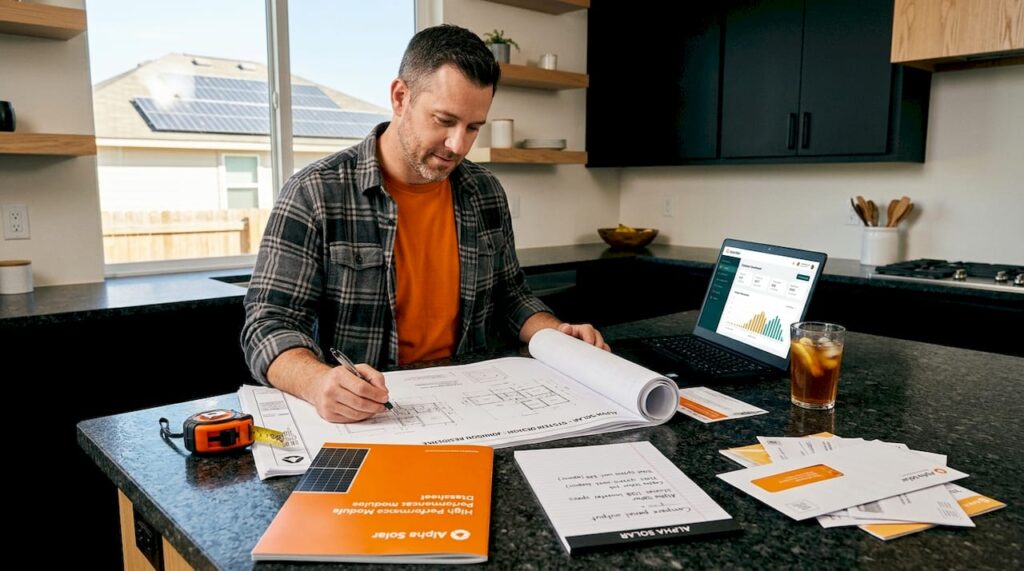
Choosing the right components for your solar panel system is one of the most important decisions you’ll make as a San Antonio homeowner. Get it right, and you’ll enjoy lower electricity bills, reliable backup power, and a system built to handle Texas heat, hail, and storms for decades. Get it wrong, and you could face poor performance, costly repairs, or a system that simply doesn’t meet your energy goals. This guide walks you through every key component, explains what each one does, and helps you understand the trade-offs so you can make confident, informed choices.
Table of Contents
- Core solar panel system components explained
- Solar panels: Efficiency, durability, and what works in Texas
- Inverters, batteries, and smart components: Making your system flexible
- Mounting hardware and safety: Build to last in San Antonio
- Comparing system setups: Which approach fits your goals?
- What most guides miss about real San Antonio solar decisions
- Get expert help designing your San Antonio solar system
- Frequently asked questions
Key Takeaways
| Point | Details |
|---|---|
| Choose weatherproof hardware | San Antonio’s intense sun and storms require wind-resistant mounting and UV-protected wiring for system longevity. |
| Match inverters to roof needs | Use microinverters or power optimizers for complex, shaded, or multi-angled rooftops to maximize performance. |
| Battery backup adds independence | Adding batteries boosts outage resilience but raises initial costs; grid-tied systems cost less but depend on the utility. |
| Quality influences ROI | Reliable, durable components reduce maintenance and maximize solar returns over 25+ years. |
| System design matters most | Tailor your solar system to your home’s layout and goals instead of just defaulting to the cheapest package. |
Core solar panel system components explained
Now that you understand the challenge, let’s break down the core parts you’ll need and what they actually do.
A solar panel system is more than just the panels on your roof. It’s a collection of hardware and electronics that work together to capture sunlight, convert it into usable electricity, and deliver it safely to your home. Understanding residential system basics before you start talking to installers puts you in a much stronger position.
Here are the main components in every solar system:
- Solar panels: Capture sunlight and produce direct current (DC) electricity. The number and type of panels determine how much power your system generates.
- Inverter: Converts DC electricity from the panels into alternating current (AC), which is what your home appliances actually use. Types include string inverters, microinverters, and hybrid inverters.
- Mounting and racking: The hardware that secures your panels to your roof or ground. Quality wind-resistant, corrosion-proof racking is critical for San Antonio’s storm-prone climate.
- Balance of system (BOS): Everything else that keeps the system safe and functional, including UV-resistant wiring, fuses, breakers, combiner boxes, rapid shutdown devices, surge protection, and grounding equipment.
- Batteries: Optional for grid-tied systems, but essential if you want backup power during outages or true energy independence.
- Meters and monitoring: Track how much electricity your system generates, how much you use, and flag any issues early.
Each of these components affects your system’s performance, safety, and long-term cost. Skimping on any one of them can create problems down the road, even if your panels are top-quality.
Pro Tip: When getting quotes, ask installers to specify the brand and model for every component, not just the panels. The quality of your inverter, wiring, and racking matters just as much as the panels themselves.
Thinking carefully about designing your solar system from the start helps you avoid costly upgrades later.
Solar panels: Efficiency, durability, and what works in Texas
With the system overview in mind, let’s zero in on your panels, the foundation of any solar setup.
Not all solar panels perform the same way in San Antonio’s climate. The intense summer heat, strong UV exposure, and occasional hail require panels that are both efficient and durable.
Panel types compared:
| Panel type | Efficiency range | Heat performance | Best for |
|---|---|---|---|
| Monocrystalline | 19–23% | Best | Most San Antonio homes |
| Polycrystalline | 15–18% | Moderate | Budget-focused installs |
| Thin-film | 10–13% | Good | Flat roofs, commercial |
Monocrystalline panels are the most popular choice for San Antonio homeowners because they produce more electricity per square foot and handle heat derating better than polycrystalline options. Heat derating simply means that panels lose some output as temperatures rise above 77°F, which happens regularly here during summer.
Key factors to consider when choosing panels:
- Efficiency: Higher efficiency means you need fewer panels to meet your energy goals, which matters if your roof space is limited.
- Temperature coefficient: A lower number here means the panel loses less output in high heat. Look for panels rated at or below 0.35% per degree Celsius.
- Hail rating: Most quality panels are rated to withstand 1-inch hail at 50 mph. Texas weather can push those limits, so ask about impact resistance.
- Warranty: The best panels come with a 25-year performance warranty guaranteeing at least 80% output, plus a separate product warranty covering defects.
According to recent industry data, solar panels typically last 25 to 30 years while maintaining 80 to 90% of their original output. The average residential installation cost runs around $3.35 per watt DC, though your final price will vary based on system size, panel brand, and local labor.
Good panel maintenance tips can also extend the life of your investment and keep output high through San Antonio’s dusty, pollen-heavy seasons.
Inverters, batteries, and smart components: Making your system flexible
After understanding the panels, you need the right electronics and storage to get the most from your system, especially in tricky or shaded installations.
Your inverter is the brain of your solar system. It converts DC electricity from your panels into AC electricity your home can use, and it manages communication between your panels, battery, and the grid.
Inverter comparison:
| Inverter type | Best for | Shade handling | Cost |
|---|---|---|---|
| String inverter | Simple, unshaded roofs | Poor | Lowest |
| Microinverter | Complex or shaded roofs | Excellent | Higher |
| Hybrid inverter | Battery-ready systems | Moderate to good | Highest |
String inverters are the most affordable option and work well for roofs with full sun exposure and a simple layout. However, if one panel in the string is shaded, the whole string’s output drops. That’s a real concern in San Antonio neighborhoods with mature trees.
Microinverters attach to each individual panel, so shading on one panel doesn’t affect the others. Shading issues require microinverters or optimizers to maintain full system performance, and they also make panel-level monitoring much easier. Power optimizers are a middle-ground option that pair with a central string inverter but give you panel-level control.
Hybrid inverters are designed to work with battery storage. If you’re planning to add a battery now or in the future, a hybrid inverter is the smart choice because it eliminates the need to replace your inverter later.
On batteries, here’s what you need to know:
- Lithium iron phosphate (LFP) batteries are the current standard for home storage. They’re safe, long-lasting, and perform well in heat.
- Modern home batteries are rated for 8,000 or more cycles at 90% depth of discharge, which translates to over 20 years of daily use.
- A typical home battery stores 10 to 13.5 kilowatt-hours (kWh), enough to run essential loads through a nighttime outage.
- Batteries add $8,000 to $15,000 or more to your system cost, but they also qualify for the federal 30% investment tax credit.
You can explore inverter choices in more detail to understand which type fits your roof and goals. For homeowners who want true backup power, reviewing a solid battery integration strategy is a worthwhile next step.
Pro Tip: Plan for inverter replacement at around the 15-year mark. Budget for this cost when calculating your system’s long-term return on investment so you’re not caught off guard.
Mounting hardware and safety: Build to last in San Antonio
Reliable mounting and electrical safety are just as important as the panels themselves. Here’s how to get them right for local conditions.
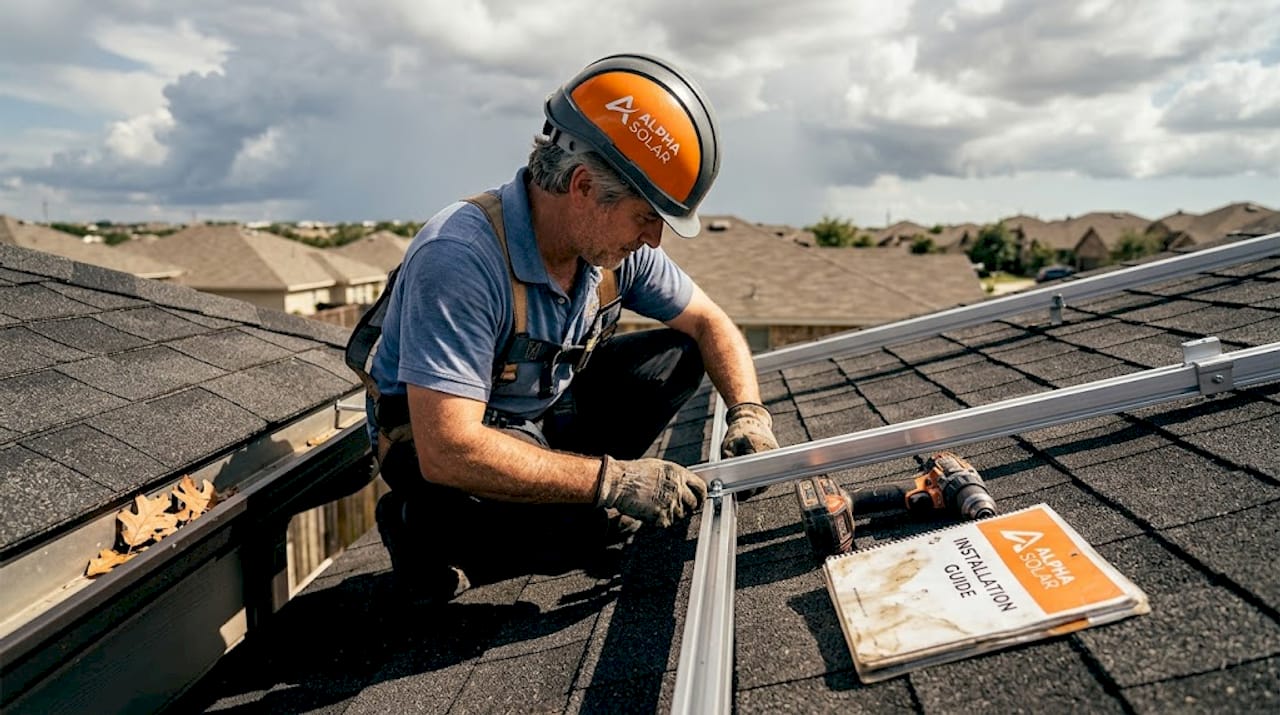
San Antonio sees severe weather, including hailstorms, high winds, and lightning. Your mounting system and electrical safety hardware need to be up to the task.
Steps to evaluate mounting and safety needs:
- Assess your roof first. Before installing panels, check your roof’s age, condition, and structural integrity. A roof that needs replacement in five years should be replaced before panels go on.
- Choose wind-rated racking. Look for racking systems tested to local wind load requirements. San Antonio sits in a region where wind gusts during storms can exceed 60 mph.
- Verify hail resistance. Both your panels and racking should carry appropriate impact ratings. Ask your installer about the specific wind and hail ratings for the hardware they use.
- Consider ground mounts if your roof isn’t ideal. Ground-mounted systems are easier to orient for maximum sun exposure and simpler to maintain, though they require more yard space and permitting.
- Require surge protection. Lightning is a real risk in Texas. Surge protection devices on both the AC and DC sides of your system protect your inverter and other electronics from voltage spikes.
- Confirm rapid shutdown compliance. National Electrical Code (NEC) requires rapid shutdown devices on all new solar installations. These allow firefighters to safely de-energize your system in an emergency.
“Mounting systems using wind-resistant, corrosion-proof racking and UV-resistant wiring, combined with proper surge protection and grounding, are critical for reliability in high-wind areas like San Antonio.”
Proper grounding ties your entire system together electrically and protects against lightning-induced surges. It’s not optional, and it’s not something to cut corners on.
For a deeper look at how all these pieces connect, the electrical design tips on our blog cover San Antonio-specific code requirements and best practices.
Comparing system setups: Which approach fits your goals?
Putting it all together, let’s compare system setups so you can see how different component choices impact cost and independence.
Most San Antonio homeowners choose from three main system configurations. Each has a different cost, benefit profile, and level of energy independence.
| System type | Typical cost | Backup power | Independence level | Best for |
|---|---|---|---|---|
| Grid-tied only | Lowest | None | Low | Budget-focused, low outage risk |
| Grid-tied + battery | Moderate to high | Yes | High | Most SA homeowners |
| Off-grid | Highest | Full | Complete | Rural, no grid access |
Grid-tied systems connect your home to the utility grid and use net metering to credit you for excess electricity you send back. They’re the most affordable option and offer solid returns, but they provide no backup power during outages. When the grid goes down, your system shuts off for safety reasons.
Grid-tied with battery systems add a battery bank to store excess solar energy. During an outage, your system automatically switches to battery power and keeps your critical loads running. This setup is increasingly popular in San Antonio given CPS Energy’s grid reliability history. The trade-off is a higher upfront cost, but the combination of solar-plus-battery enabling energy independence while providing outage protection makes it the best fit for most households.
Off-grid systems are rare in urban San Antonio. They require a much larger battery bank, a backup generator, and careful energy management. The cost is significantly higher, and they make the most sense for rural properties where grid connection isn’t available or practical.
Key considerations when choosing your setup:
- How often does your neighborhood lose power?
- Do you have medical equipment or a home office that can’t go down?
- What’s your budget for upfront cost versus long-term savings?
Reviewing solar system examples for homes similar to yours gives you a realistic starting point. Understanding net metering in San Antonio also helps you calculate your actual return under CPS Energy’s current rate structure.
What most guides miss about real San Antonio solar decisions
Most solar guides focus on panels and payback periods. They give you efficiency ratings and price-per-watt numbers and send you on your way. But after working with San Antonio homeowners across a wide range of neighborhoods and roof types, we’ve found that the biggest mistakes rarely come from choosing the wrong panel brand. They come from ignoring the full picture.
San Antonio has a unique combination of intense sun, frequent afternoon storms, occasional hail, and a grid that has shown real vulnerability during extreme weather events. That combination means your component choices carry more weight here than they would in a milder climate. A cheap string inverter might work fine in Phoenix, but if your roof has partial shade from a large oak tree, you’ll lose a meaningful percentage of your output every single day.
We’ve also seen homeowners go with the lowest-bid installer only to discover later that their racking wasn’t properly torqued, their wiring wasn’t UV-rated, or their system didn’t include surge protection. Those aren’t minor oversights. They’re the kind of issues that void warranties, create fire risks, and cost thousands to fix.
The honest truth is that spending a bit more upfront on quality components and a knowledgeable local installer almost always produces better long-term results. A well-designed system with the right inverter for your roof, proper surge protection, and quality mounting hardware will outperform a cheaper system over a 25-year lifespan, sometimes by a wide margin.
We also see homeowners miss out on incentives because their system wasn’t installed to code or didn’t meet utility interconnection requirements. A local specialist who knows CPS Energy’s rules and San Antonio’s permitting process protects your investment in ways that a big-box national installer simply can’t match.
Maximizing solar ROI isn’t just about the panels you pick. It’s about every decision in the design and installation process working together.
Get expert help designing your San Antonio solar system
Ready to apply what you’ve learned and get a system that suits your home? Here’s how local experts can help.
At Alpha Solar Solutions, we design every system around your specific home, roof, energy goals, and budget. We don’t use cookie-cutter configurations. We look at your actual electricity bills, your roof’s orientation and shading, and your priorities, whether that’s maximum savings, backup power, or both.
Our team handles everything from custom component selection and residential solar installation to battery storage, EV charger installation, and ongoing panel cleaning and maintenance. We also help you understand your options for battery storage estimates so you can plan your investment with confidence. Every system we install meets San Antonio code requirements and is backed by manufacturer warranties. Contact us today for a free consultation and let’s build a system that works for your home.
Frequently asked questions
How long do solar panel system components typically last?
Solar panels last 25 to 30 years while maintaining 80 to 90% of their original output, and modern batteries exceed 8,000 cycles at 90% depth of discharge; inverters generally need replacement after about 15 years.
Do I really need a battery for my solar system in San Antonio?
A battery adds backup power and energy independence, but it increases upfront cost. As noted in the Residential Guide to Solar Power, grid-tied systems without batteries are the most affordable option, though they leave you without power during outages.
What type of inverter is best for shaded or complex roofs?
Microinverters and power optimizers handle shading best because they work at the individual panel level. Shading requires microinverters or optimizers to prevent one shaded panel from reducing your entire system’s output.
Is special wiring or mounting required for San Antonio weather?
Yes. Wind-resistant racking and UV-resistant wiring, combined with surge protection and proper grounding, are essential for withstanding San Antonio’s storms, hail, and intense sun exposure.